Health and wellness Medical aesthetics, dermatology and the clinic channel
China Medical Aesthetics Market: Trends, Platforms & Strategy for Foreign Brands
5 min read
On this page
- What Medical Aesthetics Means in China
- Overview of the Chinese Aesthetic Medicine Market
- What and Who Drives Aesthetic Medicine Consumption in China?
- Cosmeceuticals in China
- The Reasons Behind Medical Aesthetics Growth in China
- Social Pressure and Competition Between Individuals
- Chinese Beauty Standards
- The Influence of KOLs and KOCs
- How to Win the Chinese Medical Aesthetic Market
- Build Your Brand Before You Sell
- Baidu SEO and Chinese Search Presence
- Chinese E-commerce
- Apps Dedicated to Medical Aesthetics
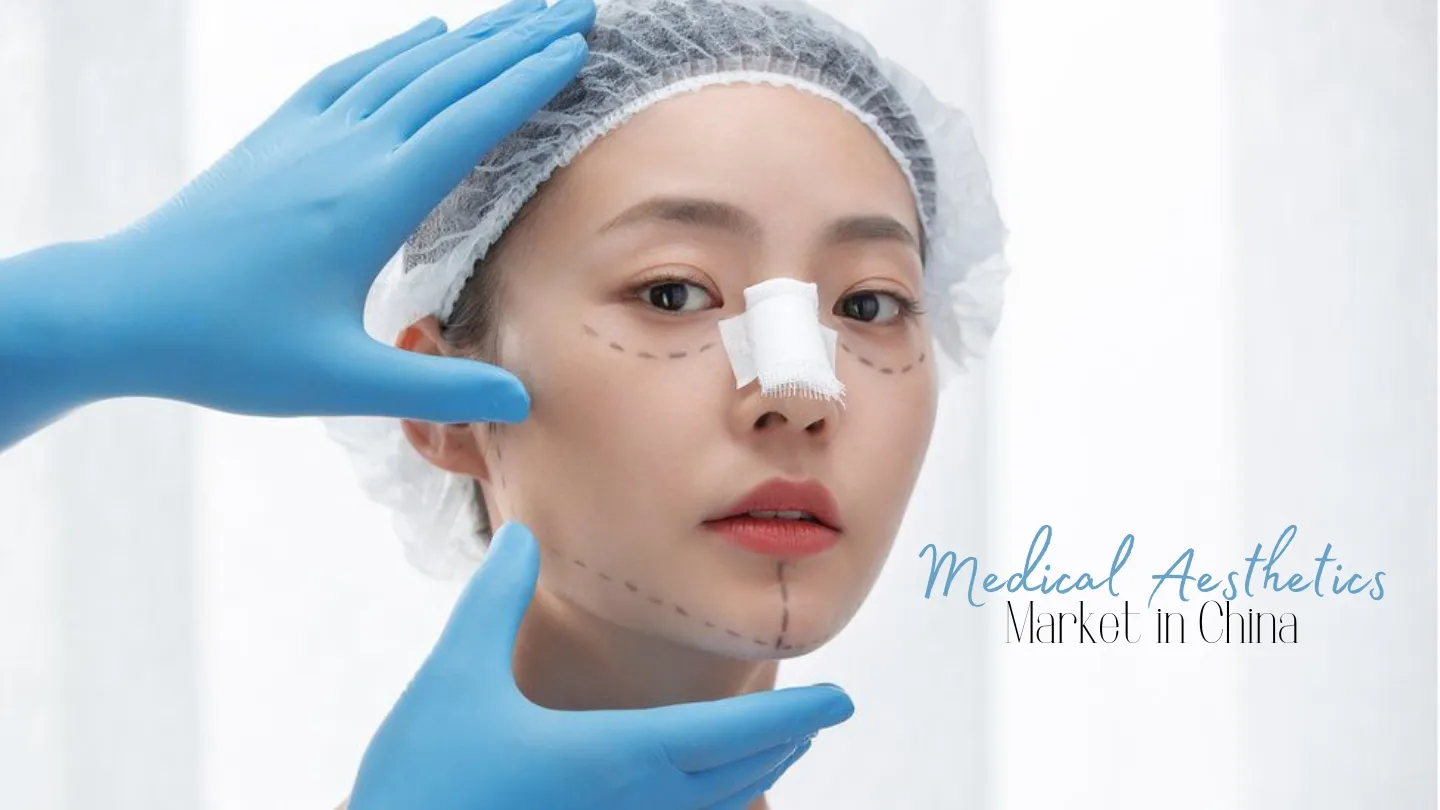
The medical aesthetics market in China is one of the fastest-growing segments in beauty. The market was valued at around $16 billion in 2024 and is projected to exceed $22 billion by 2027, driven by an aging population, rising disposable incomes, and a generation of consumers who treat aesthetic procedures as routine self-care, not a luxury.
If your brand operates in injectables, devices, cosmeceuticals, or adjacent skincare, China is the market you cannot ignore. But the rules have changed. Chinese consumers are more informed, more demanding, and more connected than ever. Here is what you need to know in 2026.
What Medical Aesthetics Means in China
Medical aesthetics covers non-invasive and minimally invasive procedures: injectables like botulinum toxin and dermal fillers, laser treatments, chemical peels, microdermabrasion, and skin rejuvenation technologies. The goal is to address specific concerns, from wrinkles and acne scars to uneven skin tone.
In China, the definition has expanded. Consumers now include high-end cosmeceuticals, LED devices for home use, and professional-grade peels as part of their “medical aesthetic” routine. The line between clinical and consumer is blurring, which creates real opportunities for foreign brands positioned in that space.
Overview of the Chinese Aesthetic Medicine Market
Medical aesthetics arrived in China later than in Europe or the US. Before, consumers relied on traditional herbal medicine. That era is over. Rising disposable income and social media exposure have pushed aesthetic medicine into the mainstream.
Growth is steady at around 15% per year. The profile of the average consumer has shifted: Gen Z still leads at 55% of the market, but consumers over 35 are now the fastest-growing segment by spending volume.
What and Who Drives Aesthetic Medicine Consumption in China?
Southern cities, particularly Guangzhou, Shenzhen, and Chengdu, remain the hottest markets. But demand has spread to tier 2 and tier 3 cities as clinics multiply and prices become more accessible.
Men are a growing force. Male interest in medical aesthetics now represents over 35% of new consultations in major cities, up from 30% in 2021. Treatments like hair removal, acne management, and skin brightening dominate among male consumers.
The device segment continues strong growth. Hair removal, picosecond lasers, radiofrequency skin tightening, and photorejuvenation all posted double-digit gains through 2025. The aesthetic device market in China is on track for 14-16% CAGR through 2027, per iResearch data.
Key growth drivers in 2026:
- Acne treatment and scar reduction
- Anti-aging injectables (botulinum toxin, hyaluronic acid fillers)
- Skin brightening and tone correction
- Male grooming and hair restoration
- Home-use aesthetic devices (LED, RF, microcurrent)
Cosmeceuticals in China
Cosmeceuticals sit between cosmetics and pharmaceuticals. They address dermatological needs: acne, anti-aging, pigmentation, barrier repair. Chinese consumers now understand this distinction and actively seek it out.
The segment is growing at over 18% per year. French brands like Avène, La Roche-Posay, and Vichy still lead market share. SkinCeuticals is gaining ground fast in premium clinics and on Tmall. But domestic Chinese cosmeceutical brands are closing the gap quickly, backed by strong clinical claims and aggressive XHS marketing.
Your packaging can be simple. What cannot be simple is your clinical evidence and ingredient communication. Chinese consumers will look you up before they buy.
The Reasons Behind Medical Aesthetics Growth in China
Social Pressure and Competition Between Individuals
In China, the pressure to look your best is tied to real economic outcomes. Job interviews, dating, social media presence. Aesthetic procedures are seen as an investment, not vanity. This mindset is especially strong in tier 1 cities and among consumers under 35.
Chinese Beauty Standards
Western brands often misread Chinese beauty standards. The desire for pale, bright, flawless skin comes from Chinese cultural history, not from wanting to look Western. Double eyelid procedures are driven by local celebrity influence, not Western features. Whitening and brightening remain the most searched aesthetic outcomes in China.
Your brand needs to speak to these standards directly. Not copy them, but understand them well enough to position your products credibly.
The Influence of KOLs and KOCs
Social platforms like WeChat, Weibo, Douyin, and Xiaohongshu have made KOL influence central to medical aesthetics marketing. Celebrities and skincare experts with millions of followers can drive immediate product demand.
The shift in 2025-2026 is the rise of KOCs (Key Opinion Consumers). These are regular users with 10,000 to 100,000 followers who post detailed, credible reviews. For medical aesthetics, where trust is everything, a KOC sharing her post-laser recovery routine using your serum is more powerful than a celebrity endorsement. It also feeds better into AI discovery systems.
How to Win the Chinese Medical Aesthetic Market
Build Your Brand Before You Sell
Chinese consumers research before they buy. A strong brand reputation built through XHS content, WeChat community management, and clinic partnerships will convert better than any promotional discount. Word of mouth still moves markets in China.
Baidu SEO and Chinese Search Presence
A Chinese-language website hosted in mainland China remains a baseline requirement. Baidu SEO drives organic traffic from consumers in research mode. Forums like Zhihu and Baidu Tieba also matter for reputation building. Participate in these communities with real, useful information.
Chinese E-commerce
Tmall is your anchor. Douyin Shop drives volume through content commerce. XHS Shop closes the loop. Run all three. Use a China e-commerce agency that understands the medical aesthetics category specifically, because promotional rules, claim regulations, and consumer behavior all differ from general beauty.
Apps Dedicated to Medical Aesthetics
So Young (更美, Gèng Měi) and Gengmei are the two dominant apps for medical aesthetics consumers in China. Users compare clinics, read reviews, check before-and-after photos, and book appointments directly. Foreign brands and clinic partners should have a presence on both. These apps are where high-intent consumers spend time before they decide.