
Skincare, dermocosmetics and beauty devices
Search, paid media and reputation
Press, Baidu Baike and Weibo crisis-readiness built for cosmetics brands, because reputation decides the sale before the ad does
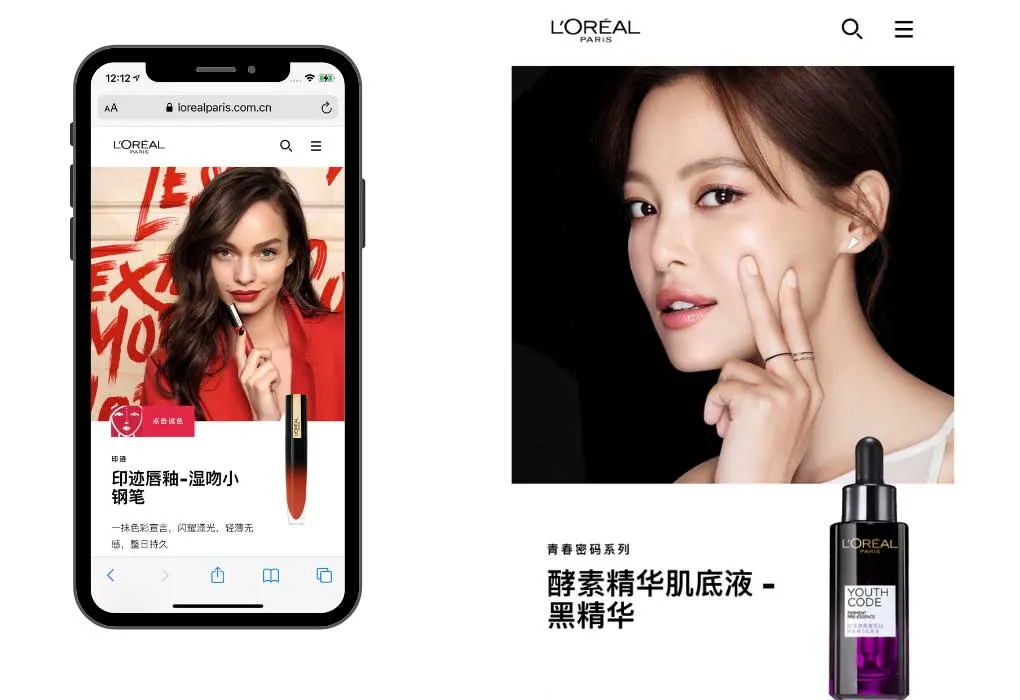
Before we write a single press release, we check where your category and your competitors actually stand today. China's cosmetics market crossed roughly RMB 1.1 trillion in 2025, domestic brands hold 57.4% of it, and that share has grown for five straight years. A PR plan built without knowing which domestic competitor is currently winning the narrative you want to own is a plan built on last year's map.
We research the outlets, WeMedia (self-media) columns, Baidu Baike, Zhihu threads, that Chinese consumers in your category actually read, rather than defaulting to a generic press list translated from a Western media plan.
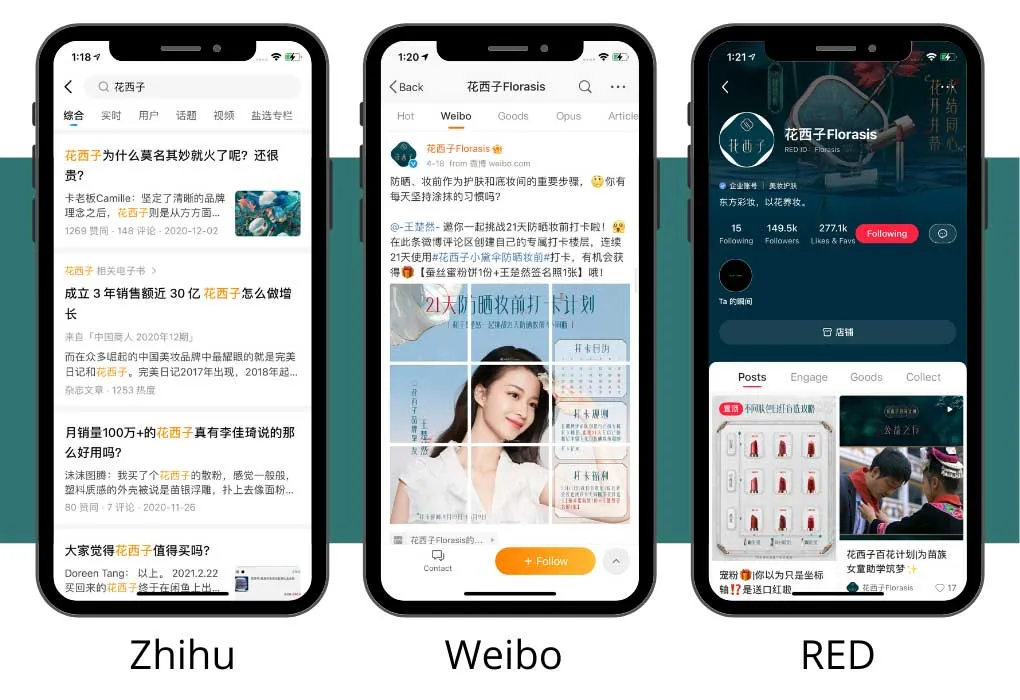
Online reputation in China is distributed, not centralized on your own website. A Baidu Baike entry functions as a de facto trust signal and gets prioritized in Baidu's own search results and knowledge panels. Zhihu Q&A presence builds credibility around the exact keywords your buyers search. About 74% of Chinese consumers report making purchase decisions based on influencer or peer recommendations, against a 30% global average, so what shows up when someone searches your brand name matters more here than almost anywhere else.
Weibo crisis response speed is its own discipline: brands that respond within hours consistently recover sentiment faster than those that wait days, and a single unaddressed complaint can spread nationally within 24 hours on the platform. We monitor and respond as part of the retainer, not as an emergency add-on after something has already gone wrong.
Press release distribution in China runs through different networks than the West, WeMedia outlets, Toutiao/Baijiahao placements, and dedicated China newswire services, rather than a single global PR wire. Campaign budgets vary widely by scope: boutique-level monthly PR retainers start in the low thousands of dollars, and Xiaohongshu-specific KOL seeding campaigns for a mid-tier brand typically run USD 10,000 to 50,000, with an agency fee of roughly 10-20% on top of the KOL spend itself.
We write in Chinese for a Chinese news cycle from the start, not as a translation of an English release, and we place it where your actual buyers read news: WeMedia columns and Baidu-indexed outlets, not a generic international wire that Chinese consumers never see.
In detail
Before getting started you've got to understand your place in the market, your competitors and your needs.
In China Reputation is everything. Digital Marketing is now the most efficient way to promote your brand in China.
In order to build your reputation, release great content in Chinese on trusted Chinese website.
Sometimes, great content is not enough, and having the right connections is invaluable.
We will work on high-quality content for your website, social media platforms and all press releases, so that you attract your target audience with photos, videos, text, live-streaming and other forms to gain visibility and boost sales.
Apart from working on your website, and social media accounts, we will also stay active in groups (eg. on Wechat) and thematic forums to spread the word about your brand and gain consumer insights.
Why us
Reputation here is distributed across Baidu Baike, Zhihu, WeMedia columns and Weibo, not centralized on your own website the way it might be elsewhere, and Chinese domestic beauty brands hold 57.4% of the market partly because they have mastered exactly this distributed presence.
We build and monitor this reputation layer as an ongoing function: Baidu Baike entries, Zhihu credibility content, press placements in the outlets Chinese consumers actually read, and Weibo response protocols so a complaint gets addressed in hours, not days.
About 74% of Chinese consumers report making purchase decisions based on influencer or peer recommendations, against a 30% global average, which is why PR and e-reputation carry more commercial weight in China than in most markets. See how this connects to our KOL and digital marketing work for the full picture.
Case studies
Skincare, dermocosmetics and beauty devices
Skincare, dermocosmetics and beauty devices
Skincare, dermocosmetics and beauty devices
Skincare, dermocosmetics and beauty devices

Skincare, dermocosmetics and beauty devices
Luxury, makeup, fragrance and hair
Questions
Because Chinese consumers verify a brand's credibility across multiple public sources before buying, in a way that goes well beyond checking a website. A Baidu Baike entry, Zhihu presence, and press coverage across WeMedia outlets together form what functions as your brand's public reputation, and roughly 74% of Chinese consumers say influencer or peer recommendations shape their purchase decisions, against a 30% global average. On top of that, a crisis moves fast: brands that respond to a public complaint within hours recover sentiment meaningfully faster than those that take days, and an unaddressed issue can spread nationally on Weibo within 24 hours. PR in China is not a quarterly press release, it is a standing reputation and crisis-monitoring function, and skipping it leaves a brand with no credible answer the first time a Chinese consumer searches its name.
Start here
We will tell you what is achievable, which channel should lead, and what it will cost. Including the times the honest answer is “not yet”.
Contact us