
Skincare, dermocosmetics and beauty devices
Search, paid media and reputation
Baidu SEO and SEM built for cosmetics brands, now that AI search is rewriting how Chinese consumers find you
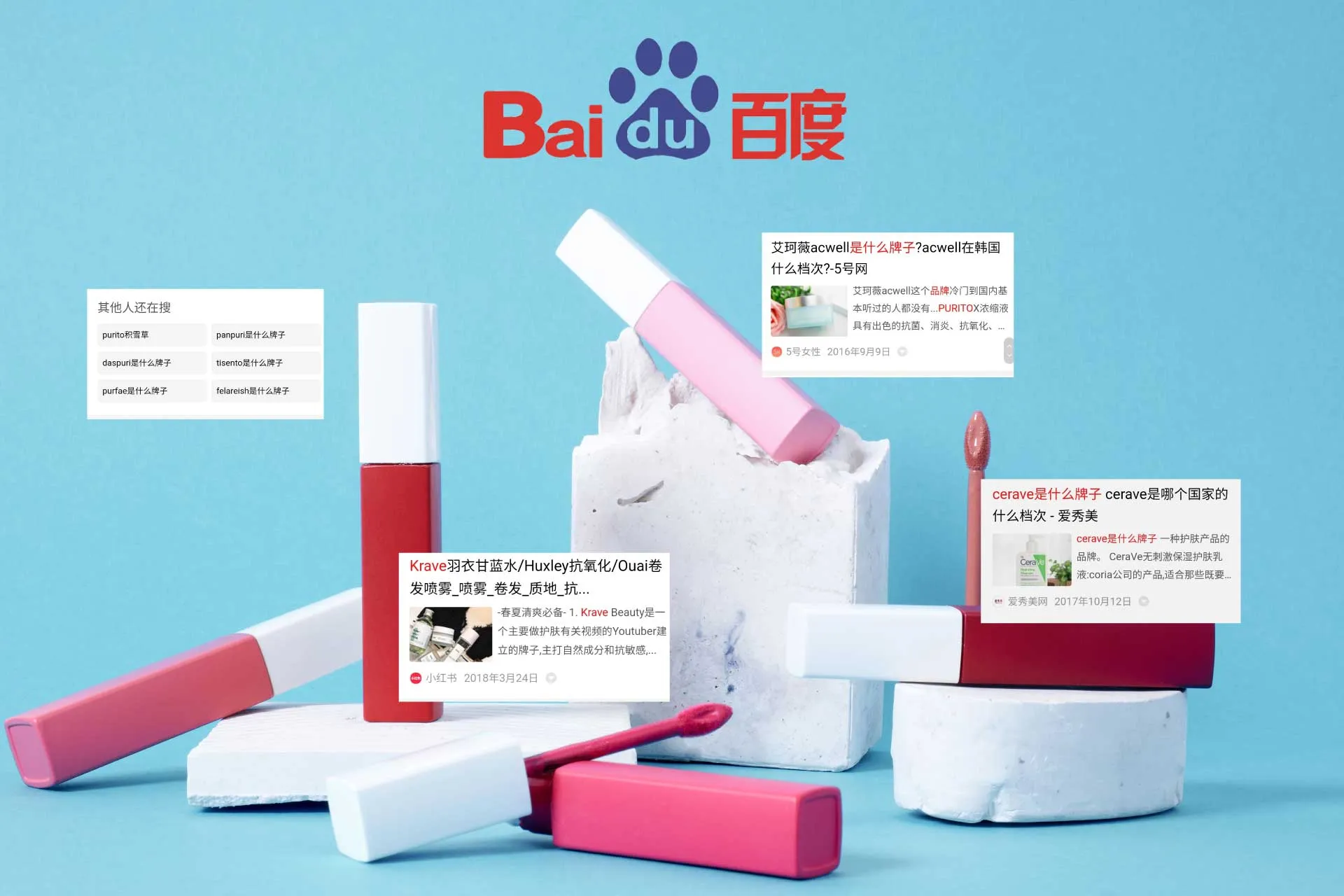
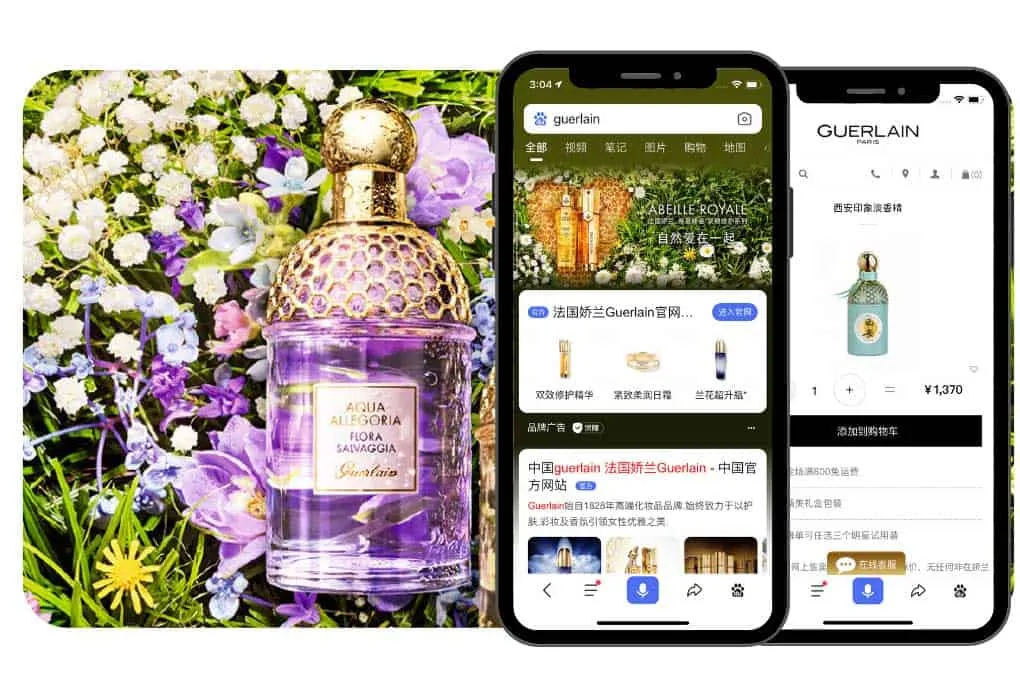
Baidu still handles the large majority of organic search in China, and unlike Google it rewards different signals: ICP-licensed .cn domains, server response speed from inside China, and content structured the way Baidu's crawler expects, not a direct port of your Google-optimized site. Baidu Baike (its Wikipedia-style encyclopedia) and Baidu Zhidao (its Q&A platform) both carry outsized weight in Baidu's own results, a brand with no presence on either is starting from a structural disadvantage before a single keyword is optimized.
What changed in 2026 is the rise of AI-native search. Baidu has pushed its own ERNIE-based AI answers directly into search results, summarizing and answering queries before a user ever clicks through to a website. For beauty brands this means SEO now has two audiences: the classic crawler ranking pages the old way, and the AI answer engine deciding whether your brand gets cited as a source at all. Ignoring the second audience is how a brand becomes invisible even while technically ranking.
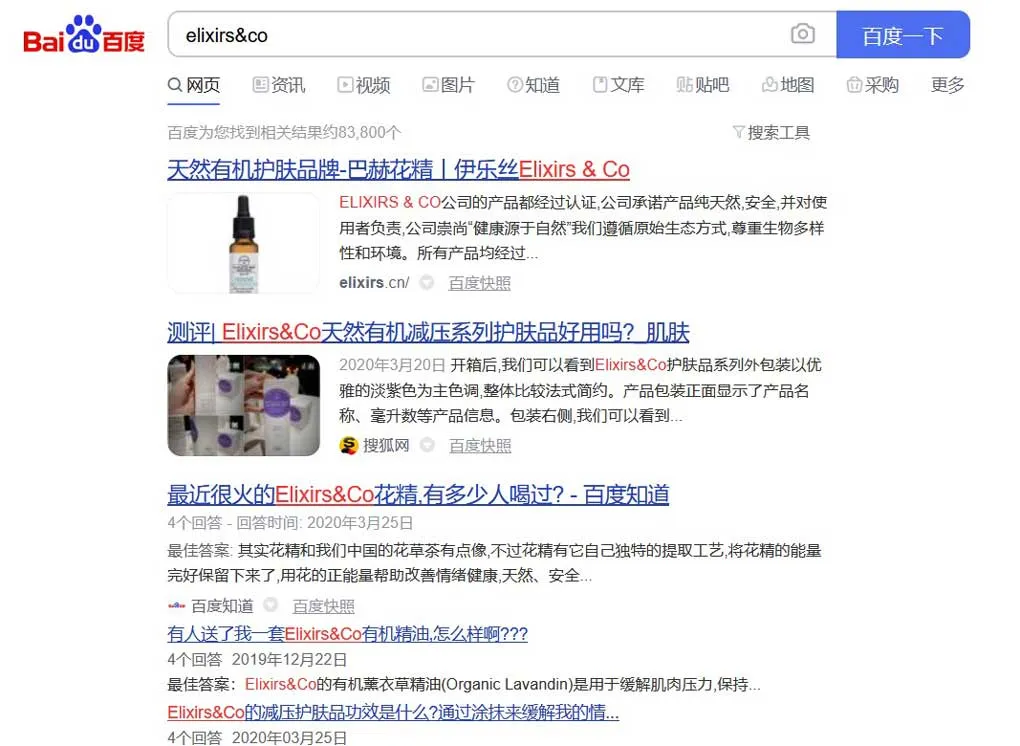
Keyword research in Chinese is not a translation exercise. Chinese consumers search in different structures and different intent patterns than English speakers, a literal translation of your best English keywords routinely misses the actual terms Chinese shoppers type. We build the keyword set from Baidu's own search suggestion and related-search data, not from a translated list, and we prioritize by commercial intent, not just volume.
Content built for Baidu needs to answer a query directly and early, ideally within the first two sentences, since both Baidu's classic algorithm and its AI answer layer reward content that resolves the question fast. Long, SEO-padded pages that bury the answer under filler paragraphs increasingly get skipped by the AI summary layer, which now sits between many searches and your website entirely.
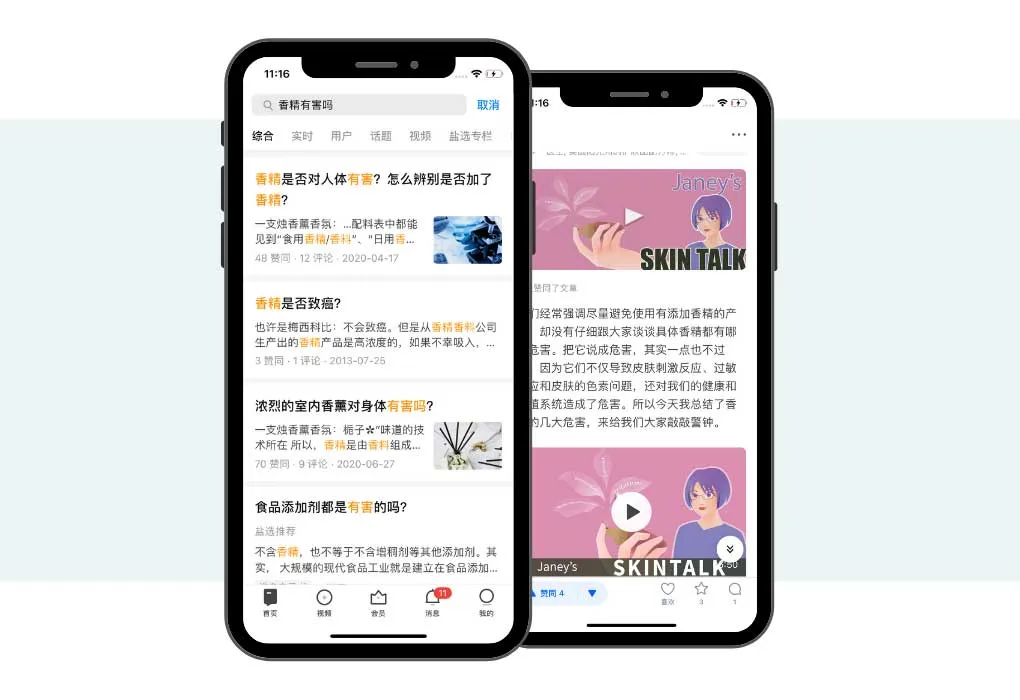
Baidu ranks brand mentions across the wider Chinese internet, not just your own site: forums, Q&A platforms, WeMedia (self-media) columns and press coverage all feed into how much authority Baidu assigns you. A cosmetics brand with zero mentions outside its own website looks, to Baidu's algorithm, like a brand with no real presence in China, regardless of how well-built the website itself is.
We place content across the outlets Baidu already trusts, Baidu Zhidao answers, relevant forum threads, and WeMedia placements, so that when a Chinese consumer searches your brand name, what they find is a consistent, credible footprint, not just a single official page standing alone.
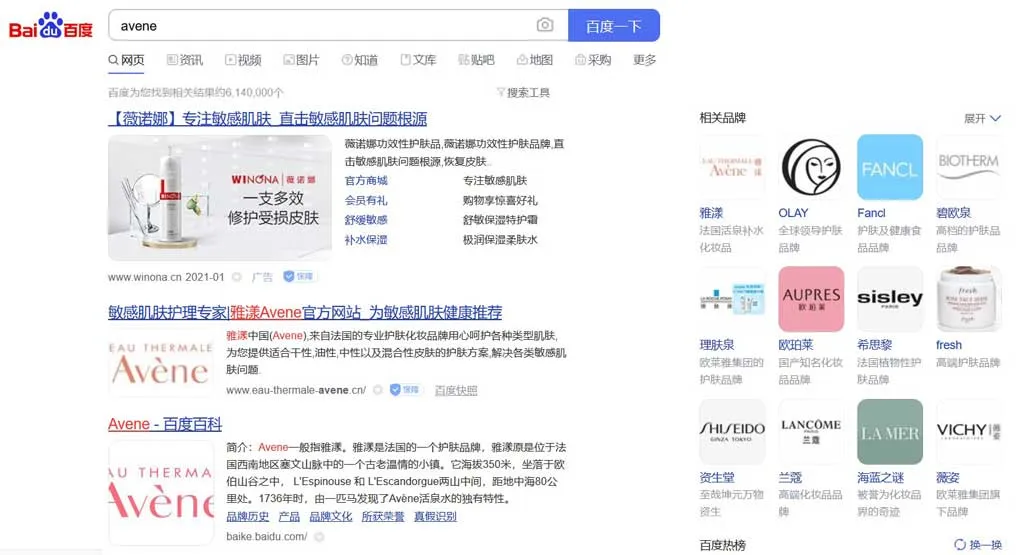
Baidu's paid ads system, Baidu SEM, works closer to a managed auction than Google Ads' self-serve model, and account setup typically requires a Chinese business license and a deposit held with Baidu directly. Done well, it is the fastest way to get in front of a Baidu searcher while your organic content is still being built out and indexed, which for a new China market entry can take several months on the organic side alone.
We run SEM as a bridge, not a permanent crutch: paid placements cover the gap while SEO and off-site authority build up, then budget shifts progressively toward organic once your rankings are established for the keywords that actually convert.
Why translating your website into Chinese won't be enough? well, your website probably relies a lot on google plugging, and google plugging won't work on the Chinese internet, making your website slow, increasing your bouncing rate... making sure you won't ever rank. On the contrary, developing a website just for china, with Chinese characteristics and hosted in China, Singapore or Hong-kong will give you a chance to rank high. Don't work hard, work smart. The best SEO campaign won't take off if your website is not optimized for China.
We position your brand as an authority inside Baidu's own ecosystem, Baidu Baike (China's Wikipedia), Zhidao Q&A, and beauty forums, rather than only optimizing your own site. These channels matter more in 2026 than they used to: Baidu's AI answer layer now summarizes results before a user clicks through, and it appears to favor citing sources tied to a credible, registered presence across this wider ecosystem over an isolated brand website.
We create expert content that educates consumers about your products, from ingredient benefits to skincare routines, and place it on Baidu Baike and in beauty forums where Chinese consumers already look for answers, building the kind of distributed authority that both the classic algorithm and the newer AI layer reward.
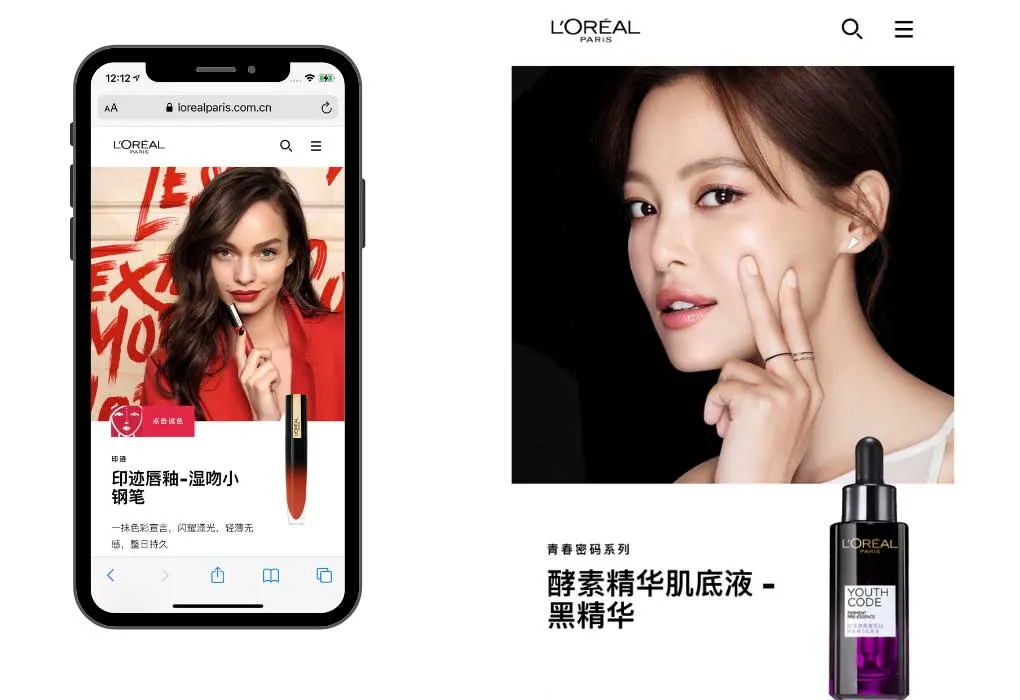
Backlink quality is a major ranking factor for Baidu, especially for beauty brands. We focus on acquiring backlinks from trusted local sources such as beauty magazines, bloggers, and influencers. These backlinks not only enhance your website’s credibility on Baidu but also increase consumer trust in your brand. Additionally, we avoid any black hat SEO tactics that Baidu heavily penalizes. Our link-building strategies are ethical and sustainable, ensuring long-term benefits for your beauty brand’s visibility and rankings in the Chinese market.
Understanding how beauty consumers interact with your website is key to driving sales. We use Baidu Analytics to track everything from page views to conversion rates. We provide actionable insights that help optimize your product pages, improve calls to action, and refine your beauty content strategy. By monitoring how consumers engage with your product listings and tutorials, we help you identify conversion opportunities and reduce bounce rates, ensuring your beauty site is not only driving traffic but converting visitors into loyal customers.
In detail
Find the right keywords to rank on the first page of Baidu results ahead of your competitors and get more visibility.
Create content optimized for Baidu SEO and suitable for the Chinese cosmetic market and its consumers.
We take care of a good Baidu SEO strategy, starting from a well-localized Chinese website, to backlinks and keywords optimisation.
A strong PR strategy gives more authority to your Chinese website, therefore it ranks better. We take care of your PR in China.
Baidu SEM can help to grow your visibility when entering the Chinese market and is a good addition to your Baidu strategy.
Spending time and resources on SEO & SEM is useless with no monitoring. We offer monthly reports and ideas for improvements.
Why us
Baidu's own share of Chinese search has been sliding for years as Bing China, Sogou and now AI-native assistants like Doubao take a growing slice, but it still touches the large majority of organic research in the market, especially for a high-trust category like beauty where consumers check ingredient claims before buying. The bigger shift in 2026 is Baidu's own AI answer layer summarizing results before a searcher ever clicks through, which means ranking well the old way is no longer the whole job.
We build for both audiences at once, classic Baidu ranking through ICP-friendly hosting, Chinese-native keyword research and content that answers fast, and the newer AI citation layer, which favors registered, credible sources over anonymous pages. We also work the wider trust ecosystem Baidu actually reads: Baidu Baike entries, Zhidao Q&A presence, and PR placements that give your brand a real footprint across the Chinese internet, not just on your own site.
Case studies
Skincare, dermocosmetics and beauty devices
Skincare, dermocosmetics and beauty devices

Skincare, dermocosmetics and beauty devices
Ingredients and beauty retail (B2B)
Ingredients and beauty retail (B2B)
Skincare, dermocosmetics and beauty devices
Questions
Baidu is China's dominant search engine, still handling the large majority of organic search queries in China, though its share has been gradually eroding for several years as Bing China, Sogou and now AI-native assistants like Doubao pick up ground. It also runs Baidu Baike (a Wikipedia-style encyclopedia) and Baidu Zhidao (Q&A), both of which carry outsized weight inside Baidu's own search results.
Because Baidu is where most product research still starts outside of Xiaohongshu, and Baidu increasingly rewards content that gets cited in its AI-generated answer summaries, not just content that ranks in the classic ten blue links. A brand with no Baidu Baike entry, no Zhidao presence and no indexed .cn content looks, to both Baidu's algorithm and its AI layer, like a brand with no real footprint in China.
Yes, more than most categories. Beauty is a high-research, high-trust category in China, consumers check ingredient claims, safety records and reviews before buying, and Baidu is a primary channel for that research alongside Xiaohongshu. NMPA-related compliance content, ingredient safety pages and brand credibility signals (Baike, Zhidao, press coverage) all feed into whether a cosmetics brand shows up as trustworthy on a Baidu search.
Baidu weighs different signals: ICP-licensed .cn hosting, server speed from inside mainland China, and presence across Baidu's own ecosystem (Baike, Zhidao, Tieba forums) matter more than they do for Google. Keyword research also has to be built from Chinese search behavior directly, not translated from your English keyword list, since Chinese users phrase queries differently. In 2026, Baidu's own AI answer layer adds a second ranking system on top of classic search, rewarding content that gets cited as a source in an AI-generated summary.
Baidu SEM runs as a managed, auction-based paid search system, closer to a supervised auction than Google Ads' fully self-serve model. Typical costs run in the range of $0.50 to $2 per click depending on how competitive the keyword is, with an effective starting budget for a real campaign usually landing between $1,500 and $3,000 to see meaningful data. We use SEM as a bridge while organic SEO and off-site authority are still being built, then shift budget toward organic once rankings stabilize.
Not directly, ICP registration is a legal hosting requirement for servers physically located in mainland China, not a formal Baidu ranking factor. That said, Baidu's newer AI search layer appears to favor citing sources tied to a real registered corporate entity, so ICP registration is becoming an indirect trust signal even though it is not a hard ranking rule. Brands without a China entity commonly use offshore hosting with a China-optimized CDN instead.
Very. The large majority of Baidu searches in China happen on mobile, and a slow-loading or poorly formatted mobile page loses both ranking position and the patience of the searcher before they ever see your content. Fast load times and mobile-first formatting are baseline requirements now, not an optimization to get to later.
Start from Baidu's own search suggestion and related-search data, never from a translated list of your English keywords, Chinese search intent and phrasing genuinely differ. Prioritize by commercial intent over raw volume, and write content that answers the core question within the first two sentences, since Baidu's AI answer layer increasingly summarizes pages before a user clicks through, and it rewards content that resolves the query fast over content that buries the answer under SEO padding.
Start here
We will tell you what is achievable, which channel should lead, and what it will cost. Including the times the honest answer is “not yet”.
Contact us