Social media WeChat: strategy and setup
WeChat Marketing Rules for Cosmetics Brands in China
4 min read
On this page
WeChat is not the open social media platform that Western brands sometimes imagine. It operates under specific rules, both official and unofficial, that shape what cosmetics brands can and cannot do. Understanding those rules in 2026 is not optional. Get them wrong and your account gets restricted, your content disappears, or your brand develops a compliance problem with Chinese regulators.
This guide covers what governs WeChat marketing for beauty brands in China today: platform content rules, NMPA advertising regulations, and the practical realities brands encounter on the ground.
How WeChat Works for Cosmetics Brands
WeChat has 1.3 billion monthly active users as of 2026. For cosmetics brands, the platform serves three main functions:
- Official Accounts (公众号): brand-owned content channels, similar to newsletters. Brands publish articles, product launches, tutorials, and campaign content here.
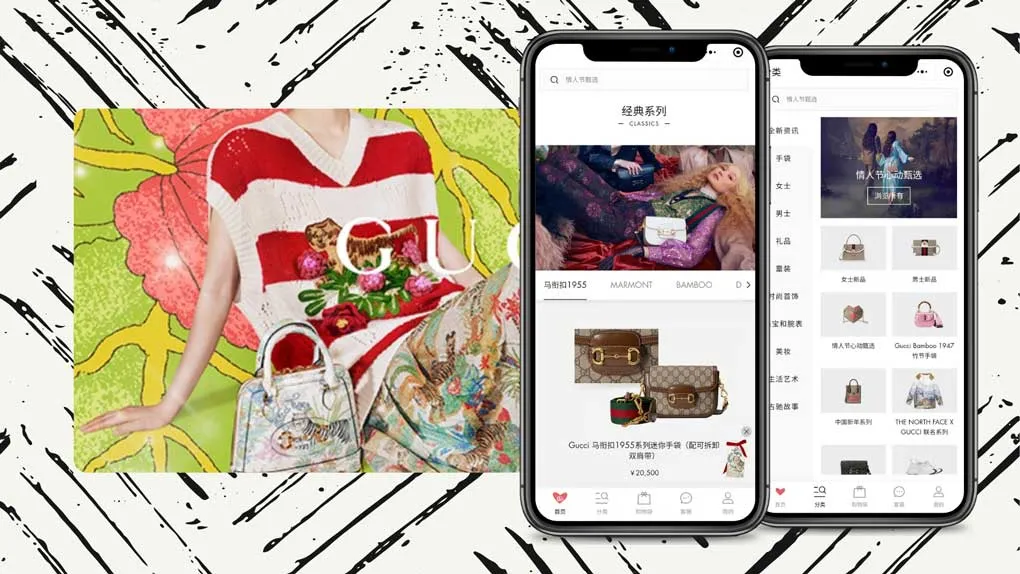
- Mini Programs (小程序): lightweight apps inside WeChat for e-commerce stores, loyalty programs, skincare diagnosis tools, and repurchase flows.
- WeChat Channels (视频号): the platform’s short video and live streaming feed, growing in importance for beauty brands targeting consumers over 35.
WeChat is not a discovery platform. Chinese consumers do not go to WeChat to find new brands. They discover brands on Xiaohongshu and Douyin, then follow the brand’s WeChat account for ongoing content and repurchase. WeChat is the loyalty layer of the China beauty funnel, not the top of it.
What WeChat Restricts for Cosmetics Content
WeChat runs a keyword filtering system that has existed since 2014 and grown significantly more sophisticated. For cosmetics brands, the relevant restrictions include:
Health claim restrictions. Any claim suggesting a product treats, cures, or manages a medical condition is blocked and may result in account suspension. This includes language suggesting a product “eliminates acne” or “treats eczema.” Cosmetics are regulated separately from drugs in China, and the line is strictly enforced.
Before/after imagery rules. Under NMPA regulations updated in 2022, before-and-after comparison images are prohibited for cosmetics products. A skincare brand cannot show a consumer’s skin before using the product next to skin after. This rule applies to WeChat content, Tmall product pages, and all regulated advertising channels.
Superlative claims. Phrases like “best in China,” “most effective,” or “number one skincare brand” are blocked under Chinese advertising law. Brands that import global campaign copy without removing these claims create compliance exposure.
Unauthorized medical terminology. Words like “sterilizing,” “anti-inflammatory,” or “anti-bacterial” applied to cosmetics are flagged. These terms require pharmaceutical product registration in China. Using them for a cosmetics product is a regulatory violation regardless of the actual formulation.
Sensitive content. WeChat applies broad content moderation on political topics, religious content, and material referencing protest or civil unrest. Campaign themes around social activism that work in Western markets should be carefully reviewed before publishing in China. The risk is account suspension, not just content removal.
NMPA Rules That Affect WeChat Content
The regulatory environment for cosmetics advertising in China tightened significantly between 2020 and 2023. Key rules that apply to WeChat content:
NMPA Cosmetics Supervision and Administration Regulation (2021): Claims must be within the approved scope for the product’s registration category. A moisturizer registered as a general skincare product cannot claim whitening benefits unless separately registered as a whitening product.
Cosmetics Claims Evaluation Guidance (2022): Sets specific rules for each claim category. “Moisturizing” requires test data. “Anti-aging” requires clinical evidence. Brands that publish claim-heavy content without the underlying data face removal and fines.
KOL content labeling: Paid content from influencers on WeChat must be labeled as advertising (广告). This applies whether the content is on a KOL’s WeChat Channels page or shared through an Official Account. Failure to label paid content is an advertising law violation.
What Actually Works on WeChat for Beauty Brands
Within these constraints, WeChat remains a highly effective channel for brands that use it correctly:
Ingredient education articles. Long-form content explaining how specific actives work, what they do for skin, and how to use them. The 成分党 (ingredient-conscious consumer) reads these carefully. No superlative claims, no before/after, just honest ingredient science. These earn follows and repurchases.
Skincare routine guides. Morning routine, evening routine, seasonal adjustments. Practical content that demonstrates product usage without making regulatory claims about results. Consistent performers that generate saves and shares.
New product launch articles. WeChat is the primary channel for announcing launches to existing followers. Brands that have built their subscriber base use it to drive Tmall or Mini Program sales on launch day. Conversion from WeChat article to purchase among existing subscribers is significantly higher than cold advertising.
Loyalty program updates. WeChat Mini Programs handle CRM functions that no other platform does as well. Brands that give WeChat subscribers exclusive access to early launches, member pricing, or birthday gifts build the habit of WeChat engagement that turns one-time buyers into repeat customers.
See also how Xiaohongshu and WeChat work together as the core of a China beauty digital strategy.
Quick Compliance Checklist Before Publishing WeChat Content
- No before/after comparison imagery
- No superlative claims (best, most effective, number one)
- No medical or therapeutic claims
- No unauthorized medical terminology applied to cosmetics
- All paid content labeled as 广告 (advertising)
- Claims consistent with NMPA product registration category
- No content on politically sensitive topics
- No external links to platforms blocked in China