China beauty market Market size and structure
China is the biggest cosmetic market in the world
4 min read
On this page
China’s Cosmetic Market: Latest Data, Dominant Brands & Winning Strategies
China’s Internet Cosmetic Market: 2024 Snapshot
- Market Size: ¥485 billion ($68B USD), growing at 8.4% CAGR.
- Online Penetration: 42% of total beauty sales (vs. 28% globally).
- Key Drivers: Gen-Z (58% of buyers), livestream commerce, and guochao (national pride) trends.
- Regulatory Shift: 2023 “Clean Beauty” standards tightened for ingredients like parabens and sulfates.
Top 5 Dominant Brands in China
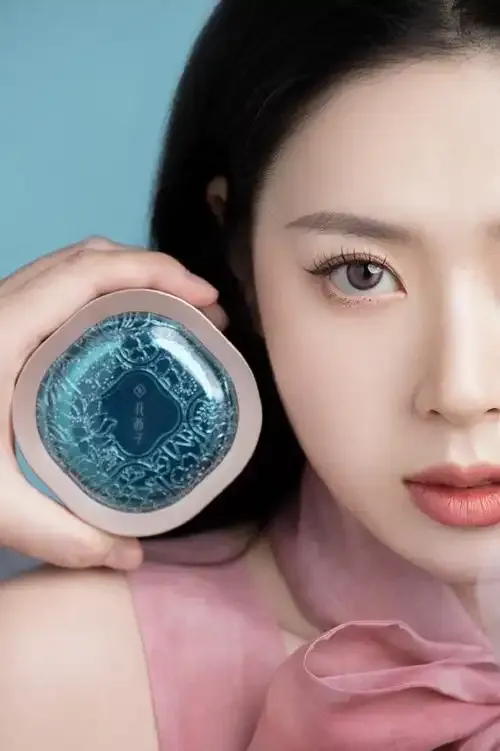
- Florasis (花西子)
- Niche: Luxury guochao makeup with ancient Chinese art-inspired packaging.
- 2023 Revenue: ¥5.8B ($800M), +22% YoY.
- Winona (薇诺娜)
- Niche: Dermatologist-backed skincare for sensitive skin.
- Edge: #1 medical beauty brand on Tmall; 30% market share in derma-cosmetics.
- Proya (珀莱雅)
- Niche: Anti-aging serums (e.g., “Ruby” line with 10% sales growth QoQ).
- Growth: Stock price surged 120% in 2023.
- Perfect Diary (完美日记)
- Niche: Fast-fashion makeup with 500+ SKUs; Gen-Z favorite.
- Tactics: Douyin KOL collabs drove 40M monthly GMV.
- Chando (自然堂)
- Niche: Heritage brand leveraging Himalayan ingredients.
- Innovation: Launched AI skin diagnostic tool on WeChat (2M+ users).
5 Data-Backed Marketing Strategies for Online Success

- Livestream Gamification
- Taobao Live sellers using “limited-time flash deals + lucky draws” see 3x conversion vs. static ads.
- Xiaohongshu (Little Red Book) Seed Marketing
- 70% of users discover beauty products via KOC reviews; brands like Dr. Ci:Labo boosted sales 200% with “skin diary” UGC campaigns.
- Guochao Product Storytelling
- Florasis’s “Oriental Carving Lipstick” (inspired by Song Dynasty art) sold 200K units in 1 hour during 618 Festival.
- Douyin (TikTok) Shop-and-Entertain
- Short videos with “Get Ready With Me” tutorials + in-app purchases drive 50% higher CTR than Instagram Reels.
- Cross-Border E-Commerce Alliances
- Partner with Tmall Global or JD Worldwide to bypass animal testing laws; 80% of imported Korean/Japanese brands use this route.
10 Best-Selling Cosmetic Products in China
- Florasis – Yunjian Light Feather Loose Powder (¥189, 10M+ sold)
- Winona – Sensitive Skin Repair Serum (¥288, 8.5M units)
- Proya – Double Anti Essence (¥699, 6.2M units)
- Perfect Diary – Explorer Eyeshadow Palette (¥139, 5.8M sold)
- L’Oreal – Revitalift Pro-Retinol Cream (¥399, 4.5M units)
- Estée Lauder – Advanced Night Repair Serum (¥850, 4.1M units)
- SK-II – Facial Treatment Essence (¥1,080, 3.7M units)
- Chando – Snow Lotus Brightening Cream (¥289, 3.4M units)
- Sulwhasoo – Concentrated Ginseng Renewing Cream (¥960, 2.9M units)
- Dr. Ci:Labo – Aqua-Collagen-Gel Super Moisture (¥268, 2.5M units)
China Cosmetics Market: What Changed
The growth is real, but the mechanics behind it have shifted considerably. Brands that relied on a 2023-era playbook are seeing diminishing returns.
The single biggest structural change is the rise of C-beauty. Chinese domestic brands now hold approximately 57% of the total market, up from around 42% in 2022, according to Daxue Consulting’s 2026 China Beauty Trends Report. Proya, Florasis, Winona, and a new wave of ingredient-led brands have moved well beyond price competition. They are winning on formulation, heritage storytelling, and clinical credibility. For international brands exploring cosmetics marketing in China, this means the “foreign premium” assumption no longer holds automatically. A clear differentiation argument is required.
Douyin Has Overtaken Tmall as the Primary GMV Engine
Douyin’s shelf-based e-commerce GMV grew 49% year-on-year over the past 12 months, according to platform data cited by China Beauty Expo. The platform has now overtaken Tmall as the primary volume driver for beauty, and the channel logic has shifted. Top brands are no longer concentrating spend on one or two mega-KOLs. Instead, they run always-on creator programs with 20 to 50 mid-tier accounts posting daily content, keeping the algorithm active and maintaining steady discovery for the brand.
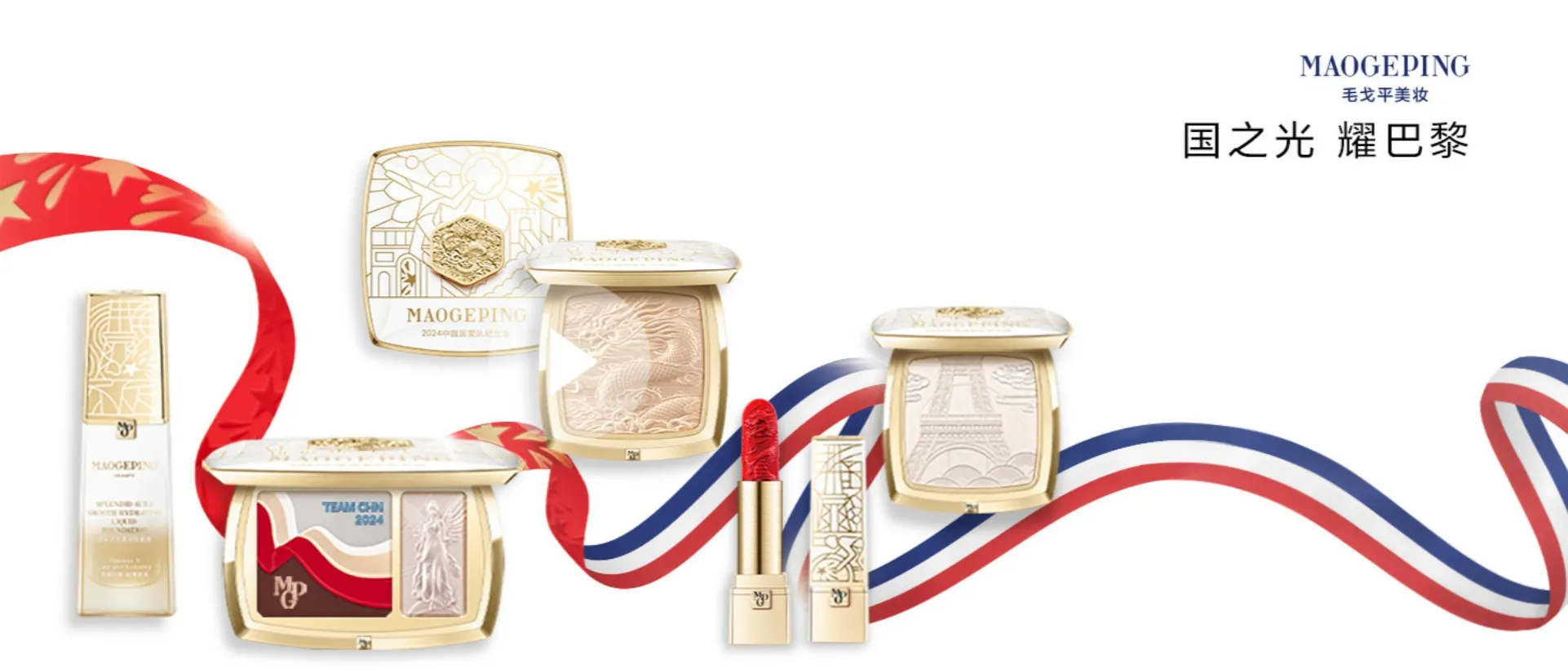
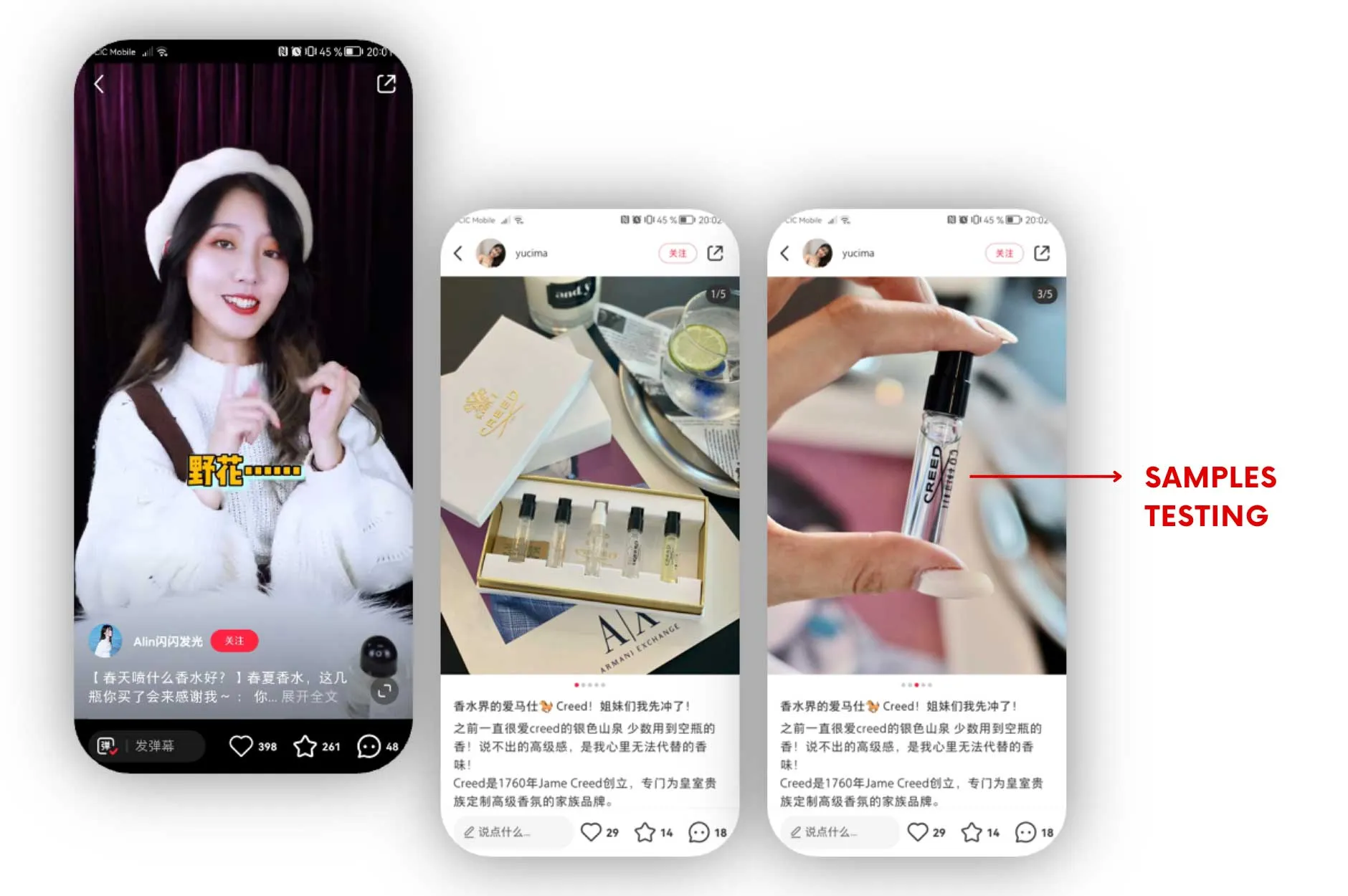
The category breakdown matters for planning. Fragrance is the fastest-growing beauty sub-category on Douyin in 2026. China’s fragrance market is valued at $6.8 billion and growing fast, with C-beauty players including Maogeping entering the space and building their own scent narratives.
The platform funnel in 2026 works like this: discovery on Xiaohongshu, first purchase on Douyin Live, repeat purchase on Tmall. Each layer requires different content and budget allocation. Brands that treat these platforms as interchangeable are leaving conversion on the table.
The Efficacy Shift: Consumers Want Proof
The 2026 Chinese beauty consumer is more ingredient-literate than at any previous point. Jing Daily and iClick Interactive both document what they call “rational consumption”: buyers at the premium tier are anchoring decisions in clinical evidence rather than advertising claims. Winona’s continued dominance in derma-cosmetics is partly explained by its investment in peer-reviewed studies cited directly in product content. Proya’s Double Anti Essence line links efficacy data to every major platform listing.
This applies to both domestic and foreign brands. If the formula is genuinely better, the evidence needs to be visible and accessible, on-platform and in AI-searchable formats.
- C-Beauty Share: 57% of total beauty market (Daxue Consulting, 2026).
- Douyin Beauty GMV: Shelf-based GMV grew 49% YoY, now ahead of Tmall for beauty.
- Fragrance: Fastest-growing beauty sub-category across all major platforms, market at $6.8B.
- Online Share: 65%+ of beauty transactions now happen online, up from 42% in 2024.