China’s Medical Aesthetics Crackdown: Penalties Keep Landing This Summer
3 min read
On this page
The facts
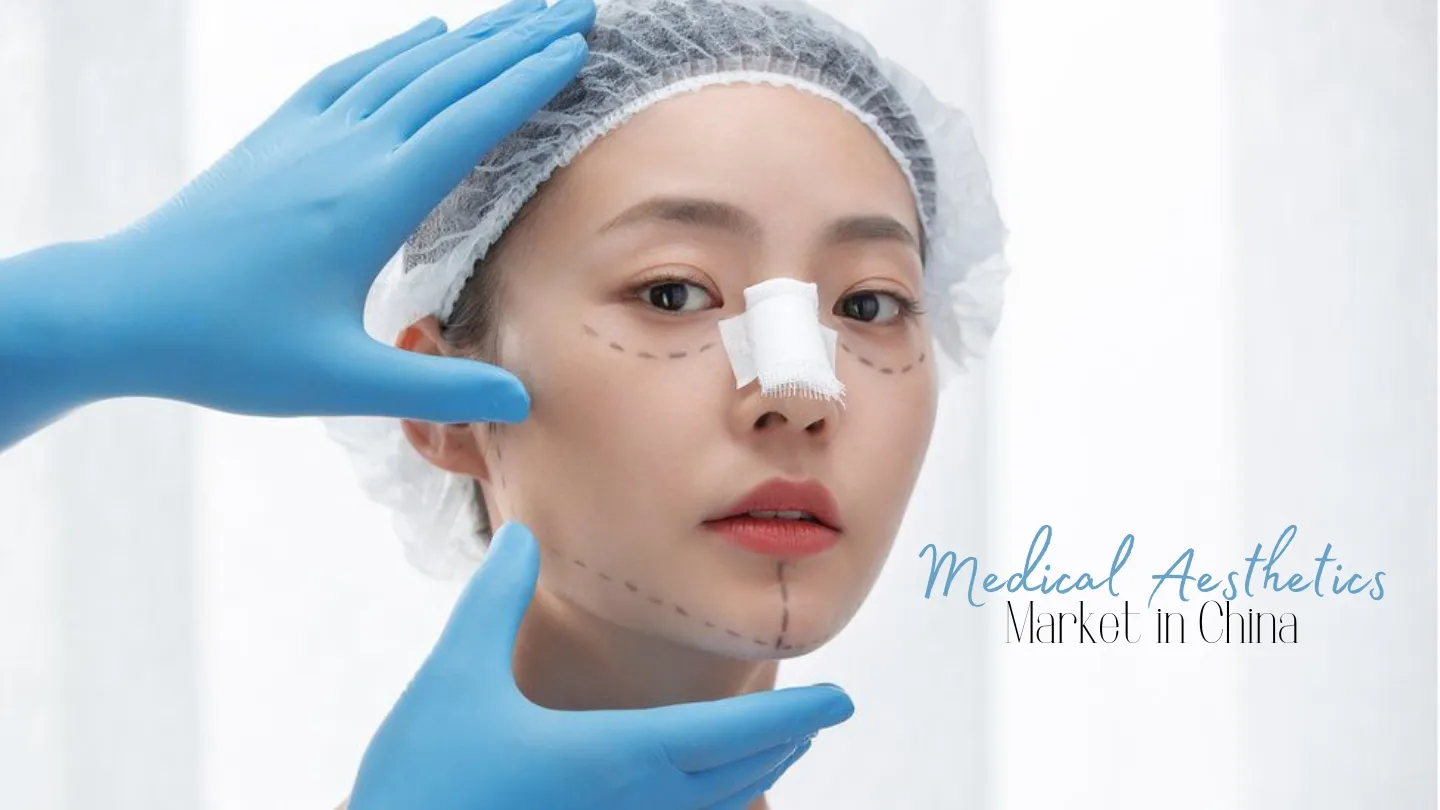
Field inspections on medical aesthetics have multiplied across China since June 2026.
On June 8, 2026, China’s National Health Commission, the Ministry of Public Security, and twelve other departments jointly issued a special treatment document targeting three specific problems in medical aesthetics: practicing without a license, illegal “fast-track light medical aesthetics training,” and false advertising. Since then, penalties have kept landing week after week. In early August, several cases went public according to a sector-specific enforcement roundup: a Ningbo clinic was fined 70,000 RMB for performing surgical procedures beyond its license scope and employing unqualified staff, two unlicensed practitioners were sanctioned in Deicheng county, another in Daying county for practicing medicine without a license.
Unlike previous crackdowns, this one runs a five-year retroactive audit and continues through March 2027, not a short-lived sweep.
What this actually means
What stands out in the August cases is not the fine amounts, modest at the scale of a clinic, but their frequency and geographic spread: Ningbo on the coast, Deicheng and Daying in interior provinces with less media exposure. That confirms the June 8 text did not stay on paper in the big metros only, it reaches down to local enforcement in second and third-tier cities.
What is genuinely new compared to past enforcement waves is the five-year retroactive audit. A clinic or brand partner in good standing today could see a past non-compliant practice resurface, even after it has since corrected course. That changes the risk math for any brand building a long-term partnership with a clinic or aesthetic center in China.
The closest precedent, the 2021 wave, mainly targeted false advertising on social platforms and faded after a few months. This 2026 wave also targets illegal practice and training, two angles that hit the practitioner supply chain directly, not just online communication. A brand selling products or devices used by these practitioners is affected even without running any misleading advertising itself.
What stays unclear: the text does not spell out precisely what separates legitimate professional training from an “illegal fast-track program,” a grey zone many aesthetic-device brands use to train practitioners on their products.
What this changes for your brand
A brand selling standard cosmetics over the counter is not directly affected. A brand selling aesthetic medical devices, injectables, or training Chinese practitioners on how to use its products, sits squarely in scope, whether the training is run by the brand itself or by a local distributor.
The window is not closing, it is widening: the campaign runs through March 2027 with a five-year look-back. Continuing a training or clinic-partnership practice without checking its compliance today means accepting a risk that could resurface two or three years from now, not just this year.
How to secure your clinic partnerships
A clinic partnership now needs documentation ready for a retroactive audit, not just for launch.
The process starts with an audit of already-partnered clinics and practitioners: valid practice license, qualification of the staff actually using the product or device, not only the ones who signed the distribution contract. Next, review any training or certification material issued by or on behalf of the brand, to make sure it cannot be read as a professional qualification it was never meant to be.
On online promotion of these products, caution has already applied since the February 10 Xiaohongshu rule, this June text extends the same logic to the physical, on-the-ground training chain. Read the two together, not separately.
The open question
Some brands narrow their clinic network down to a handful of spotless partners rather than covering the whole territory. Others believe geographic coverage matters more, as long as the contract protects the brand legally. In your China distribution network, how do you weigh coverage against regulatory risk?