China beauty market Entering the market
Cosmetics Pricing Strategy in China: What Estée Lauder and AmorePacific Teach the Market
3 min read
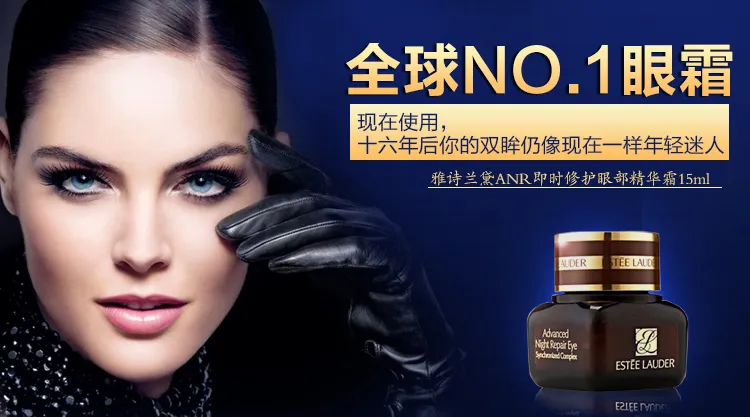
Estée Lauder and AmorePacific cutting prices by up to 30% in China in 2017 was not a sign of weakness. It was a strategic reset. Both companies read the market correctly: Chinese consumers were getting smarter, daigou arbitrage was eroding margins, and the price gap between domestic and international channels was destroying brand credibility. They acted. Most brands in their position did nothing and paid for it later.
In 2026, pricing strategy in China’s cosmetics market is more complicated than ever. The gap between CBEC prices, domestic Tmall prices, travel retail prices, and offline retail prices creates arbitrage opportunities that damage brand equity if not managed tightly. And Chinese consumers (hyper-connected, comparison-shopping across multiple platforms simultaneously) will find every discrepancy and call it out on XHS.
Why Pricing Is Your Most Important Decision in China
Price sets positioning. In China’s cosmetics market, this statement is more literally true than anywhere else in the world. A brand priced below a certain threshold is automatically categorized by Chinese consumers as “affordable”, regardless of its ingredients, packaging quality, or scientific credentials. A brand priced above the threshold is “premium”, and benefits from the trust premium that Chinese consumers attach to expensive products, especially foreign ones.
The Estée Lauder and AmorePacific price cuts were specifically about closing the gap between daigou prices and domestic prices. Chinese consumers were buying products via personal shoppers in Hong Kong, Japan, and Korea at 30-40% below the official mainland China price. The brands were effectively subsidizing a grey market that undermined their authorized channels. The price cuts brought domestic pricing in line with daigou pricing, killing the arbitrage and pushing consumers back to official channels. Clean, smart, decisive. This is the kind of pricing action most brands are afraid to take, and the reason they continue to fight their own grey market.
Pricing Trends for Cosmetics Brands in China
- Global price harmonization is now table stakes: Brands with large price gaps between markets (15%+ after tax and shipping adjustment) will have active daigou. Price harmonization across channels is a requirement, not an option, for brands with any meaningful China presence.
- Tmall Global and domestic Tmall must align: Chinese consumers check both. A product priced 20% lower on Tmall Global (CBEC) than on domestic Tmall makes domestic buyers feel exploited. They will either switch to CBEC or complain loudly on XHS. Set CBEC pricing at domestic price minus import duty savings only, not as a discount channel.
- Festival discounts require brand guardrails: Deep discounting during Double 11 (50%+ off) destroys the premium positioning that drives full-price sales for the rest of the year. Cap discounts at 20-25% and use gift-with-purchase mechanics instead of straight price cuts to preserve brand equity.
- Premium pricing grows the market: Counter-intuitive but true, brands that maintain high prices and invest in brand building grow faster long-term than brands that discount to drive volume. Chinese consumers’ willingness to pay for premium beauty products increases every year. Price for where the market is going, not where it is today.
- Luxury tiers are expanding: The segment above $200 per product is growing faster than any other price point in China’s beauty market. Brands with ultra-premium hero products (La Mer, Sisley, La Prairie) are consistently reporting China as their fastest-growing market. If you have a justified ultra-premium product, do not undersell it in China.