Brand analyses Global beauty groups
L'Oréal's China Beauty Tech Strategy: AR, AI, and What Every Brand Can Learn
2 min read
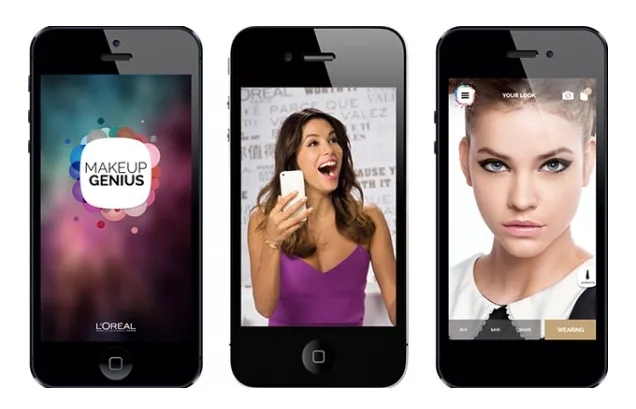
In 2015, L’Oréal China launched Makeup Genius, an AR app that let Chinese consumers virtually try on makeup before buying. It was ahead of its time. In 2026, virtual try-on is standard across Tmall, Douyin, and brand apps. What L’Oréal understood then still applies now: Chinese consumers want to experiment with new products without the social risk of trying something that doesn’t suit them. Technology reduces that friction. Brands that use tech to lower the trial barrier convert more.
L’Oréal China remains the most digitally sophisticated cosmetics group operating in the market. Their acquisition of Modiface (AI beauty tech), partnership with Alibaba on virtual try-on, and investment in Douyin livestreaming have kept them at the forefront. Their China digital budget exceeds $500M annually. The playbook they pioneered is now table stakes, every premium brand needs some version of it.
Beauty Tech in China: What L’Oréal Built
L’Oréal’s current China tech stack: Modiface AR try-on on Tmall and brand apps, AI skin diagnosis tools in-app and in-store, personalized product recommendations driven by consumer skin data, and livestreaming production studios in Shanghai for real-time selling. They run over 200 livestream sessions per month across their brand portfolio. Each session has a dedicated product team, KOL partner, and real-time analytics team optimizing conversion during the stream.
For brands that cannot match L’Oréal’s investment, the key lesson is simpler: use the platform-native tools. Tmall’s virtual try-on SDK, Douyin’s beauty filters, and XHS’s product tagging features are all available to any brand. You do not need to build proprietary tech, you need to use the tools your consumers are already using.
Trends: Beauty Tech and Digital Innovation in China
- AI skin analysis drives personalized skincare: Brands that offer AI skin diagnosis (via app or WeChat mini-program) see higher conversion and lower return rates. Consumers who get a personalized recommendation are 3x more likely to repurchase.
- AR try-on is expected for color cosmetics: Lipstick, foundation, eyeshadow, all major color cosmetics brands on Tmall now offer virtual try-on. Brands without it lose to competitors who have it.
- Livestreaming with tech integration converts better: Livestreams that include real-time skin analysis demos, product application on multiple skin tones, and Q&A with beauty experts outperform standard product showcases.
- Voice and AI search change SEO: Chinese consumers increasingly use voice search on Tmall and Baidu AI to find products. Brands optimized for conversational queries (“best moisturizer for oily skin in summer”) capture this traffic.
- Gamification in beauty drives engagement: L’Oréal and others use gamified loyalty programs (virtual beauty challenges, skin improvement trackers, KOL collaboration challenges on XHS) to keep consumers engaged between purchases.