Beauty categories Makeup and colour cosmetics
Vegan Makeup Market In China – An Opportunity For Foreign Beauty Brands
6 min read
On this page
- Opportunities For Foreign Beauty Brands In The Growing Vegan Makeup Market In China
- Current State Of The Market
- Ease Of Entry Through Cross-border E-commerce Platforms
- Challenges And Strategies For Success
- Understand How The Chinese Consumer Is Different
- What Changed For Vegan Beauty
- Xiaohongshu And Douyin Are Your Main Discovery Channels
- Ingredient Trends You Need To Know
- Build Social Proof Before You Launch
- Why Now Is the Right Moment
The vegan makeup market in China is growing, and foreign beauty brands can take advantage of this trend. The Chinese government has ended mandatory animal testing for cosmetics, and more Chinese consumers are choosing environmentally-friendly beauty products. This is a good time for cruelty-free brands to enter the Chinese market.
In 2026, the vegan segment is no longer a niche curiosity. It’s becoming a real commercial opportunity, especially for Western brands that already carry cruelty-free or vegan certifications. In this article, I’ll walk through current market trends, explain what works in 2026, and show why this moment matters for your brand.
Opportunities For Foreign Beauty Brands In The Growing Vegan Makeup Market In China
The growing interest in natural and cruelty-free cosmetics in China presents a real opportunity for foreign beauty brands to tap into this market through cross-border e-commerce platforms.
Current State Of The Market
Marketing managers need to understand the current stage of the vegan cosmetics market to identify opportunities for foreign beauty brands.
The global vegan cosmetics market has grown significantly, projected to reach $28.5 billion by 2031. In China specifically, the numbers are moving fast. The domestic clean beauty market grew over 22% year-on-year in 2025, driven by younger consumers in tier-1 and tier-2 cities. Millennials and Gen Z now account for over 65% of vegan beauty purchases online. In China, millennials’ ethical consumption awareness has increased demand for eco-friendly cosmetic products, and smaller companies are engaging consumers with innovative offerings.
In 2026, ingredient transparency is not optional. Consumers check labels. They search for terms like “纯素” (pure vegan) and “无动物测试” (no animal testing) on Xiaohongshu and Douyin before buying. Brands that publish full ingredient lists and certifications convert better. This makes China’s vegan makeup market attractive for foreign beauty brands seeking growth and expansion.
Ease Of Entry Through Cross-border E-commerce Platforms
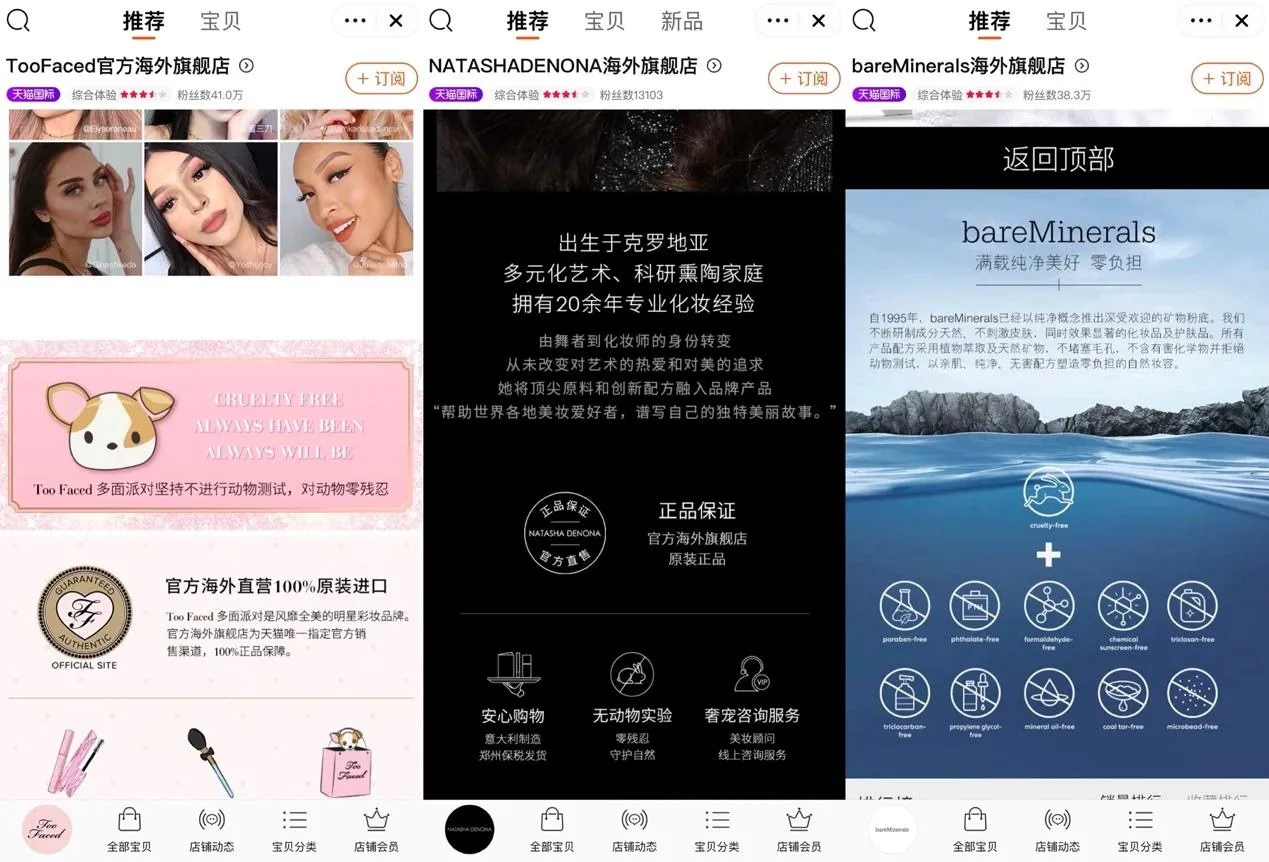
The Chinese vegan cosmetics industry is growing rapidly and offers an easy entry point through cross-border e-commerce platforms like Alibaba’s Tmall Global and JD Worldwide. Brands can access millions of health-conscious Chinese consumers by optimizing their offerings with relevant keywords and localized content. This can enhance visibility while staying authentic to core values.
In 2026, Tmall Global has added dedicated “vegan beauty” and “clean beauty” category filters. Brands that tag their products correctly see 30-40% higher organic discovery. Learn more about selling cosmetics in China and how platform selection affects your entry strategy.
Challenges And Strategies For Success
To succeed in the Chinese vegan makeup market, foreign beauty brands must understand how the Chinese consumer is different and localize their products and marketing accordingly.
Understand How The Chinese Consumer Is Different
It is important for marketing managers to recognize and adapt to the unique preferences of Chinese consumers to successfully break into the vegan makeup market in China. Here are some key points to consider:
- Emphasize organic cosmetics, natural skincare, and green beauty: Chinese consumers are increasingly drawn towards vegan skincare products that prioritize organic and natural ingredients.
- Highlight cruelty-free and natural options: While product quality is essential, also focus on offering ethical alternatives that are vegan and cruelty-free (no testing on animals), and use sustainable ingredients.
- Cater to premiumization trends: As the vegan segment matures, Chinese consumers are willing to pay more for quality. Premium positioning works better than competing on price. Brands that try to undercut on cost usually lose to domestic players who know the market better.
What Changed For Vegan Beauty
Several things shifted this year that matter for your entry strategy.
First, AI-driven discovery is now mainstream on Douyin and Xiaohongshu. Consumers use voice search and AI shopping assistants to find “best vegan foundation for sensitive skin” or “cruelty-free blush China 2026.” Your product listings and KOL content need to match these natural language queries. If your content doesn’t answer specific questions, it won’t surface.
Second, ingredient storytelling drives purchase decisions more than brand name. Chinese consumers respond to the “why” behind the formula. Bakuchiol instead of retinol. Fermented rice water. Upcycled botanical extracts. These narratives convert.
Third, the regulatory environment keeps improving. The National Medical Products Administration (NMPA) now has a faster track for products already approved in the EU or US with vegan and cruelty-free status. Cross-border e-commerce reduces the compliance burden further, letting you test the market before committing to full domestic registration.
Xiaohongshu And Douyin Are Your Main Discovery Channels
If you’re not on Xiaohongshu and Douyin, you don’t exist for this consumer segment.
Xiaohongshu is where vegan beauty buyers do their research. They read ingredient breakdowns, watch 60-second honest reviews, and save posts to revisit before buying. A strong Xiaohongshu marketing strategy built around authentic user-generated content and micro-KOL reviews is essential.
Douyin is where awareness converts to desire. Short video formats, with products shown in real use, drive impulse decisions. Douyin advertising for beauty brands has become more precise in 2026, with interest targeting that lets you reach users who already follow vegan lifestyle, clean beauty, or sustainable fashion accounts.
These two platforms work together. A consumer discovers a brand on Xiaohongshu, sees it again on Douyin, then buys on Tmall Global. That’s the typical 2026 vegan beauty purchase path.
Ingredient Trends You Need To Know
These are the ingredients driving search volume and purchase intent in the Chinese vegan beauty space right now:
- Bakuchiol: the plant-based retinol alternative, with high demand on Xiaohongshu.
- Centella Asiatica (积雪草): already popular, still growing, especially for sensitive skin claims.
- Fermented ingredients: probiotic and fermented formulas align with Chinese wellness traditions and resonate with health-conscious buyers.
- Upcycled botanicals: sustainability storytelling that connects with Gen Z values.
- Waterless formulas: concentrated products with low environmental impact, a growing trend across all demographics.
If your product contains any of these, lead with that in your Chinese marketing. Don’t bury the ingredient story in small print.
Build Social Proof Before You Launch
One mistake I see repeatedly: brands that launch on Tmall Global with no social presence and wonder why sales are flat. Chinese consumers don’t trust a new brand without proof.
Build your social proof first. Seed product to 20-50 micro-KOLs on Xiaohongshu, collect honest reviews, and let content accumulate for 4-6 weeks before your platform launch. When a consumer searches your brand name and finds 100+ authentic posts, conversion improves significantly.
For the vegan segment specifically, community credibility matters. Partner with Chinese vegan lifestyle bloggers, sustainability advocates, and clean beauty reviewers. This audience trusts peer recommendations over brand advertising. Don’t skip this step, even if it slows your timeline.
Why Now Is the Right Moment
The regulatory environment has improved. Consumer demand is rising. The platforms have built the infrastructure for vegan beauty discovery. And most Western competitors are still hesitating.
They built brand awareness slowly, and now they’re seeing strong results as the market grows around them. The brands entering now still have a window before the segment gets crowded.
If your brand already holds vegan or cruelty-free certifications in your home market, you have a real head start. Chinese consumers recognize Leaping Bunny, PETA cruelty-free, and Vegan Society logos. Display them prominently on your product pages and in your content. Don’t assume Chinese buyers will research your certification history. Make it visible and easy to understand.
The brands that win in this segment are not necessarily the biggest. They’re the ones that communicate clearly, build social proof before launch, and show up consistently on the platforms where their consumers spend time.