Marketing strategy Campaigns and the marketing calendar
5 Cosmetics Brand Campaigns That Won in China and What They Teach You
4 min read
On this page
- Campaign 1: Maybelline, 10,000 Lipsticks in 2 Hours (The KOL Army Play)
- Campaign 2: L’Oréal, Makeup Genius AR App (The Tech Play)
- Campaign 3: Dove, Anti-Marriage-Market (The Values Play)
- Campaign 4: Florasis, Chinese Heritage Beauty (The Cultural Pride Play)
- Campaign 5: Sisley, The Patient Build (The Long Game Play)
- Trends: What Makes a Winning Cosmetics Campaign in China
Five cosmetics brand campaigns. Five different strategies. All of them worked in China. Why? Because they understood something most foreign brands still don’t: in China, you don’t run a campaign, you create a moment. A moment that makes Chinese consumers want to participate, share, and buy. If your campaign doesn’t generate UGC within 48 hours of launch, it failed. Here is what winning looks like in the Chinese beauty market in 2026.
Campaign 1: Maybelline, 10,000 Lipsticks in 2 Hours (The KOL Army Play)
Maybelline’s 2017 Angelababy campaign remains the benchmark for KOL-driven cosmetics launches in China. Celebrity KOL leads the charge. An army of mid-tier KOLs creates buzz. A horde of micro-KOLs (KOCs) makes it feel real. The result: 10,000 units sold in 120 minutes on Tmall. The lesson for 2026: the three-tier KOL structure (celebrity + mid-tier + micro/KOC) still works, but XHS is now the primary battleground, not Weibo. Run your next launch campaign on XHS first, with Douyin for video amplification, Weibo for celebrity announcement. The cascade works.
Campaign 2: L’Oréal, Makeup Genius AR App (The Tech Play)
L’Oréal gave Chinese women a way to try before they buy, on their phone, in their bedroom, with no social risk. The Makeup Genius AR app was not a gimmick. It removed the single biggest barrier to cosmetics trial: fear of looking wrong. In 2026, AR try-on is standard on Tmall and embedded in brand mini-programs. The innovation bar has moved, now it’s AI skin analysis, personalized routine builders, and subscription recommendation engines. But the principle remains: remove friction between curiosity and purchase. Technology is your most powerful conversion tool in China if you use it right.
Campaign 3: Dove, Anti-Marriage-Market (The Values Play)
A skincare brand set up in Shanghai’s People’s Park “Marriage Market” (the notorious spot where parents display their adult daughters’ marriage profiles) and ran counter-messaging celebrating single women. It went viral. Not because it was clever advertising, but because it took a real position on something Chinese women genuinely felt. Gen Z and millennial Chinese women are increasingly rejecting social pressure around marriage age, body standards, and beauty norms. Brands that speak honestly to this (not in a performative Western way, but with real cultural fluency) win fierce loyalty. In 2026, the “values play” is more powerful than ever on XHS, where authenticity beats polish every time.
Campaign 4: Florasis, Chinese Heritage Beauty (The Cultural Pride Play)
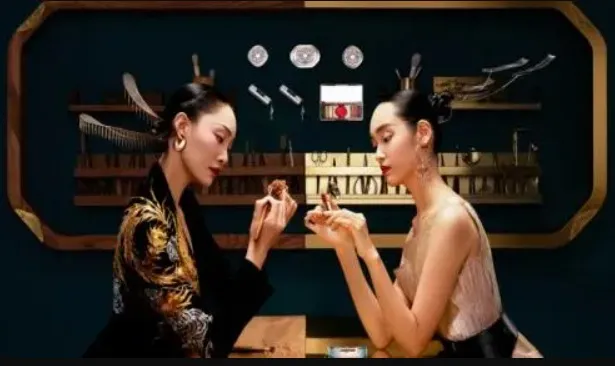
Florasis is a domestic Chinese brand, but the lesson applies to foreign brands too. Florasis built a billion-dollar cosmetics business in 5 years by going all-in on Chinese cultural aesthetics, traditional art motifs on product packaging, ingredients rooted in traditional Chinese medicine, marketing content that feels like a museum exhibition. For foreign cosmetics brands, the play is different: respect and reference Chinese culture authentically, don’t appropriate it clumsily. Brands that collaborate with Chinese artists, reference Chinese art history, or create products inspired by Chinese natural ingredients (and say so clearly) build a cultural connection that drives loyalty at levels pure product marketing cannot reach.
Campaign 5: Sisley, The Patient Build (The Long Game Play)
Sisley never chased viral in China. They never discounted. They seeded top-tier beauty editors and dermatologists. They built WeChat private domain with loyal high-net-worth clients. They invested in Xiaohongshu with ingredient-education content rather than lifestyle fantasy. Ten years later, Sisley is one of the most trusted luxury skincare brands among China’s high-income consumers. The long game works in China if you have the patience and the financial backing. It is the least exciting strategy and the most durable one. Shortcuts (heavy discounting, fast KOL spend, chasing viral moments) build peaks but no foundation.
Trends: What Makes a Winning Cosmetics Campaign in China
- XHS is the new campaign launch pad: Every major cosmetics campaign in China should launch on XHS first, seeded KOC content before the official brand announcement creates organic buzz that paid media cannot replicate.
- Douyin short video drives impulse: 15-60 second Douyin videos with a strong hook (“I used this serum for 30 days, here’s what happened”) convert faster than any other content format in China’s beauty market.
- Livestreaming events anchor campaign peaks: Schedule a brand livestream on Douyin or Taobao Live for the campaign launch date. Link all KOL content to the livestream as a conversion moment.
- UGC is the campaign metric that matters: Campaigns that generate genuine consumer UGC within 72 hours of launch are succeeding. Campaigns that generate only paid/seeded content are failing at the audience level. Track UGC volume as a leading indicator.
- Festival timing multiplies campaign ROI: The same campaign budget deployed during Double 11 or CNY generates 3-5x the revenue impact versus a non-festival week. Time your major launches to festival windows.