Why 85% of Beauty Brands Are Ditching Influencer Livestreams
4 min read
On this page
The facts
Since February 1, 2026, influencer product recommendations legally count as advertising in China.
China’s Live E-Commerce Supervision Measures, published December 18, 2025 by the State Administration for Market Regulation and the Cyberspace Administration of China, took effect on February 1, 2026. The text governs four types of actors, the platform, the livestream room operator, the livestream seller, and the MCN agency, with one central shift: a creator’s product recommendation during a livestream is now legally classified as commercial advertising, with the obligations of the Advertising Law attached.
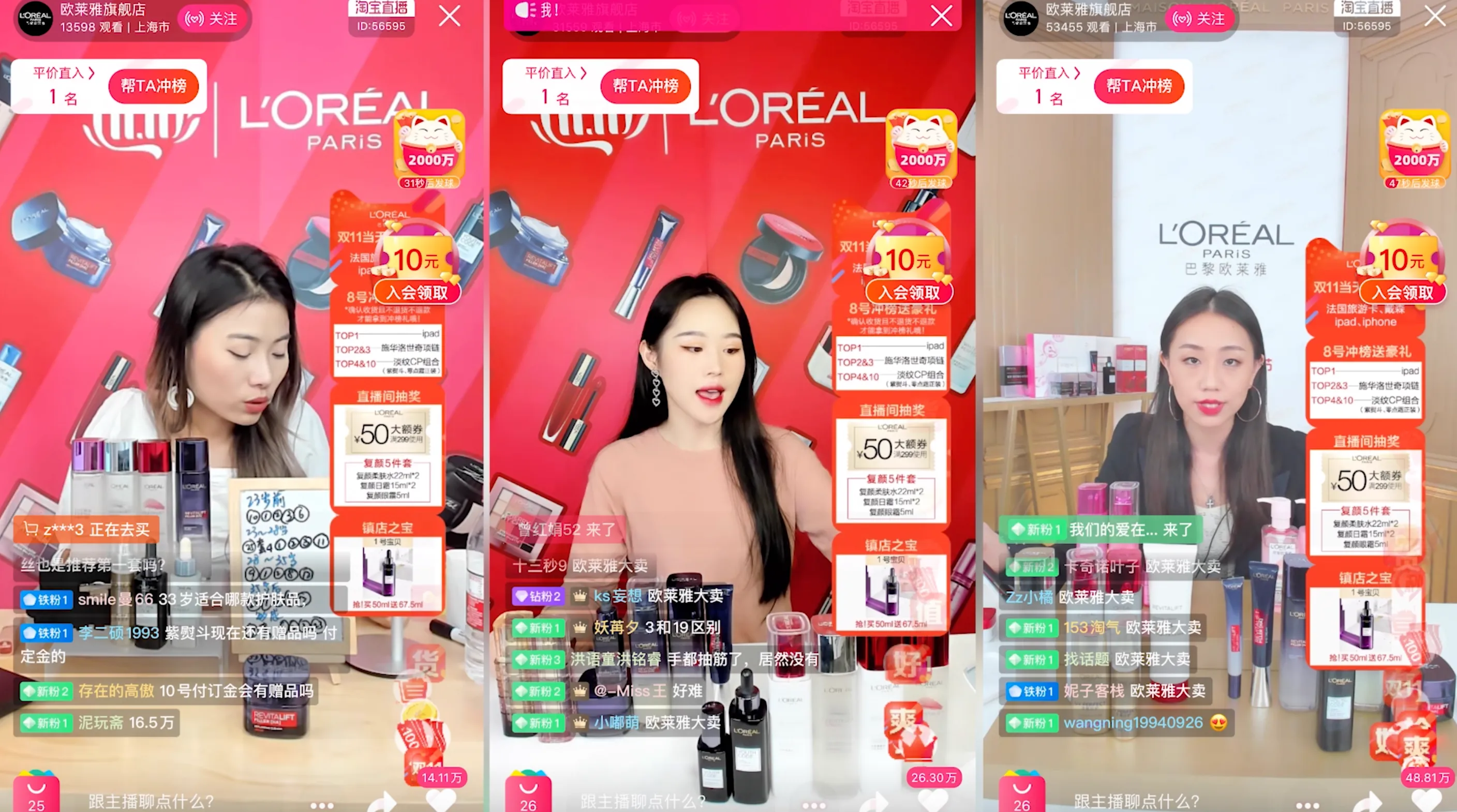
The consequence showed up in the numbers within one quarter. According to Sina Finance, 17 of the 20 leading beauty brands sold in China, 85% of the ranking, cut their share of influencer-driven livestream promotion in Q1 2026 compared to the year before, some by as much as 20 percentage points. Helena Rubinstein and YSL are among the brands that pulled back the most on this channel.
What this actually means
The number that explains everything is not the regulation itself, it’s the return on investment that came with it: an average ROI of 1 to 1.2 on influencer livestreams, against 1 to 4.5 on a brand’s own self-broadcast, according to that same study. Regulation gave the push, but the profitability gap is what turned a legal precaution into a lasting strategic shift.
What is genuinely new is not that brands are using influencers less, it’s how fast the shift happened. One quarter was enough to move 17 of the 20 most established players in the market, brands that don’t normally change media strategy overnight. That shows legal risk got added to the profitability calculation at the same moment, not one after the other.
Mechanically, reclassifying influencer recommendation as commercial advertising changes the liability chain. Before, a brand could say “that’s the creator’s personal opinion.” Now, the brand paying for that content carries an advertising-endorser liability, with the proof and truthfulness standards that apply to any conventional ad. For a health or beauty product making a claim, that legal shift weighs heavier than the profitability drop alone.
The useful precedent: every time a Chinese platform has formally reclassified an informal commercial practice, the market adjustment followed within a quarter, not a year. The shift from informal daigou reselling to declared cross-border e-commerce moved at the same pace a few years back. What stays unclear today is where exactly the line sits between genuine brand content and a “recommendation” that automatically triggers advertiser status, that boundary isn’t fully settled in enforcement practice yet.
What this changes for your brand
A brand selling exclusively through marketplaces without ever using influencer livestreams has nothing urgent to change. A beauty or wellness brand that built its growth on a handful of major influencer contracts faces a strategic choice, not just a compliance tweak: keep a less profitable, more exposed channel, or invest in its own live-broadcast capability.
The window has been open for seven months now, the underlying shift is already well underway among brands able to measure it. Waiting longer means letting brands that already made the move build an audience and skill advantage in brand self-broadcast, a channel that is learned over time, not overnight.
How to build your own livestream channel
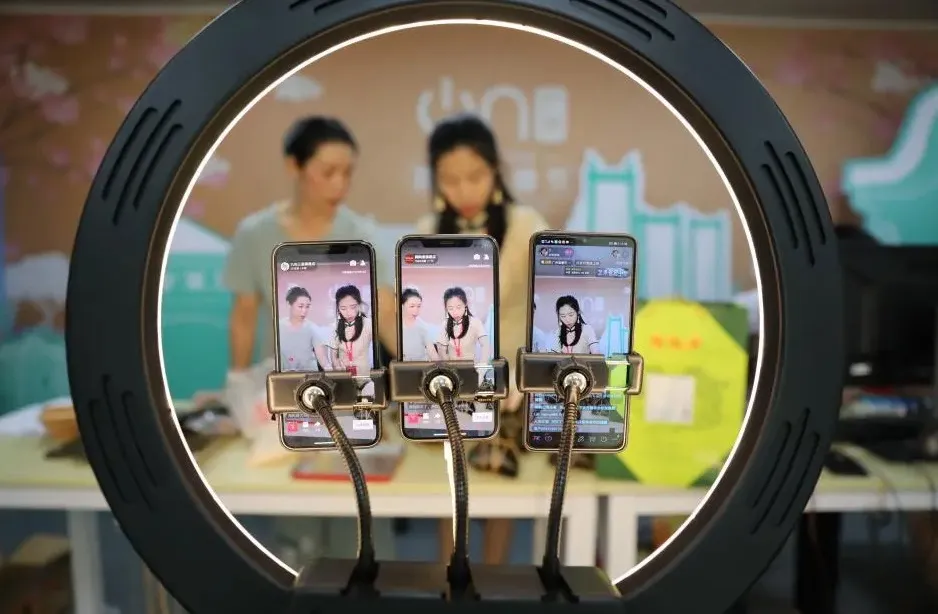
Brand self-broadcast takes months of consistency before matching an established influencer partnership’s output.
The mechanism starts with a dedicated brand account run by trained staff or a committed host, rather than an occasional retransmission. Unlike an influencer contract, which delivers a result from the first broadcast, brand self-broadcast needs several months of consistency before the platform’s algorithm gives it comparable reach to an established account.
The transition should not be abrupt. Keeping a targeted influencer partnership on content that stays compliant, product demonstration without a claim, while building the brand’s own audience in parallel, protects revenue during the ramp-up phase. On content compliance rules specific to health and beauty products, both channels now answer to the same standard.
The open question
Some brands are going all in on self-broadcast now, even through a period of uncertain profitability. Others prefer keeping a foot in both channels longer, out of caution. On your China live-shopping budget, are you accelerating the shift or waiting for more clarity?