KOLs and Douyin KOL and KOC marketing
Brand Ambassadors in China's Cosmetics Market: A Guide
6 min read
On this page
- The Role Of Brand Ambassadors In The Chinese Cosmetics Market
- Key Takeaways
- Importance of Brand Ambassadors in the Chinese Cosmetics Market
- Building brand image and reputation
- Influencing consumer purchasing decisions
- Attracting and engaging target audience
- Successful Examples of Brand Ambassador Collaborations
- Florasis x Zhou Shen
- Tide, Xue Zhiqian and Zhang Yixing endorsement
- Louis Vuitton and Gong Jun
- Risks and Costs of Celebrity Endorsements in China
- Scandals and reputation damage
- High costs and potential returns
- Future Trends in Brand Ambassador Marketing for Chinese Cosmetics
- Emphasis on social media and influencer marketing
- Collaborations with rising Chinese idols
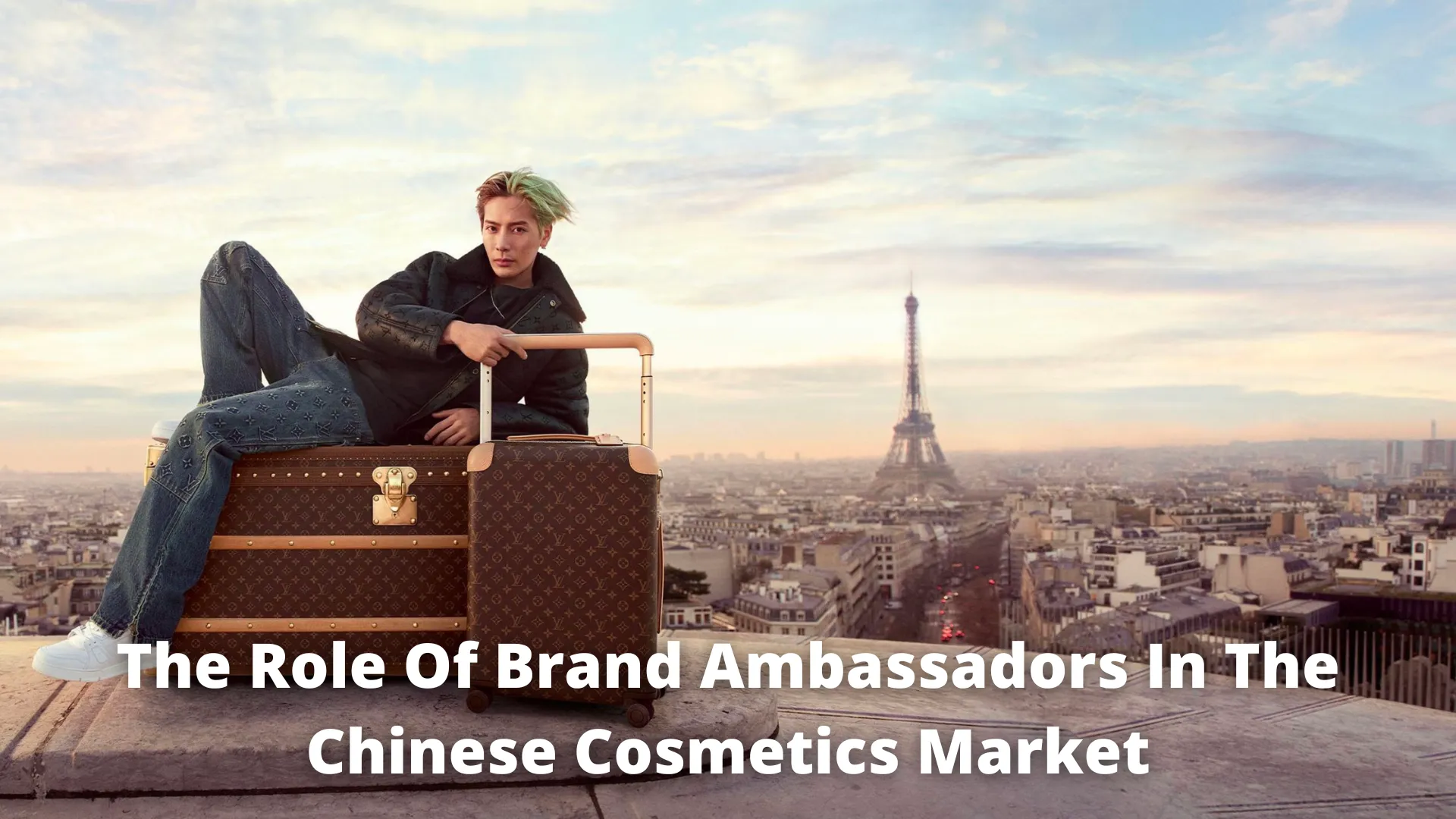
The Role Of Brand Ambassadors In The Chinese Cosmetics Market
Brand ambassadors shape the success of cosmetic brands in China. Celebrities, KOLs, and rising idols endorse products, but in 2026, that is only half the story. The other half is what happens after the endorsement: does your brand exist on Tmall? Does AI find you when a consumer searches? If not, the ambassador spend is wasted.
Brand ambassadors are trusted sources and trendsetters. Their endorsement builds credibility and drives consumer trust. But the rules have changed. Chinese consumers now discover products through AI assistants before they ever open a social app. Your ambassador strategy must account for that.
Key Takeaways
- Brand ambassadors build image, influence purchases, and attract target audiences in the Chinese cosmetics market, but only when paired with ecommerce presence.
- KOL endorsements boost perceived quality and word-of-mouth. Risks include scandals that can destroy reputation overnight.
- If your brand has no product pages, no reviews, no Tmall store, AI cannot confirm you exist.
- 80% of beauty sales in China happen online. Tmall GMV for beauty exceeded 280 billion RMB. Douyin beauty grew 60%+ year-on-year. Branding and ecommerce together is the only formula that works.
- Authenticity and relatability matter more than ever. Consumers want genuine connections, not polished advertising copy.
Importance of Brand Ambassadors in the Chinese Cosmetics Market
Building brand image and reputation
In the competitive Chinese cosmetics market, a strong brand image is the backbone of success.
Many Chinese consumers equate fame with quality. That pushes them toward well-known brands. An effective branding strategy differentiates your brand and raises it above the noise.
The strategy uses brand ambassadors who connect with the target market and embody the brand’s values. These ambassadors spread the message and improve reputation among consumers, particularly young consumers who drive global beauty trends.
Virtual influencers also play a growing role. Despite criticism, celebrity and digital endorsements hold significant weight in this market.
Influencing consumer purchasing decisions
Brand ambassadors influence purchasing decisions at every stage of the funnel. They go beyond product promotion, they become synonymous with the brand’s values, quality, and appeal.
KOLs are particularly influential in China. Consumers trust their expertise in specific domains, including luxury beauty. When a respected figure endorses a product on Douyin or during a Taobao live stream, it generates positive word-of-mouth and boosts perceived quality.
In 2026, that trust chain extends into AI. Your ambassador’s credibility only carries weight if it is backed by a traceable digital footprint.
Attracting and engaging target audience
Your strategy should focus on collaborating with influencers who increase brand visibility, build credibility, and drive sales. Influencer marketing works especially well for high-end cosmetic brands, where digital communication dominates.
Young Chinese consumers follow public figures closely. Appointing the right personality as brand ambassador increases affinity toward your products. But alignment matters: your ambassador must match your product offering and brand values. Asian consumers tend to prefer sensitive skincare formulations, this shapes which ambassadors feel credible.
Successful Examples of Brand Ambassador Collaborations
Florasis x Zhou Shen
Florasis collaborated with singer Zhou Shen during the Double 11 Shopping Festival. The selection was deliberate: Zhou Shen’s soft, feminine voice matched Florasis’ identity, a brand built on modern aesthetics and traditional Chinese culture.
This collaboration reflects a broader trend: male celebrities endorsing beauty products in China. With boy band TNT also serving as ambassadors, Florasis targets specific consumer segments through celebrity influence. The key is the match between ambassador identity and brand positioning.
Tide, Xue Zhiqian and Zhang Yixing endorsement
Tide used Xue Zhiqian and Zhang Yixing to reach audiences on Weibo. The celebrities’ fan bases drove brand visibility and consumer trust. The collaboration worked because it connected celebrity popularity with a specific product benefit message, cleanliness, freshness, reliability.
Louis Vuitton and Gong Jun
Gong Jun’s appointments as ambassador for Louis Vuitton, Armani Beauty, L’Oréal, and Elizabeth Arden in 2021 demonstrated how international luxury brands read Chinese celebrity influence. Gong Jun’s TV series fame translated into purchase intent among local consumers who prefer brands they see endorsed by faces they recognize.
The strategy reflects a truth that still holds in 2026: international brands that appoint local ambassadors consistently outperform those that import global campaigns without localization.
Risks and Costs of Celebrity Endorsements in China
Scandals and reputation damage
Celebrity endorsements carry real risk. Scandals damage both the individual and the brands they represent. The case of Xiao Zhan is the clearest example: his fan controversy created a backlash that affected every brand he was associated with.
Before you sign an ambassador, audit their public profile, fan base behavior, and any prior controversies. In China’s social media environment, a scandal spreads faster than any PR response can contain it. Choose carefully. Build contract exit clauses before you need them.
High costs and potential returns
Partnering with top-tier Chinese celebrity ambassadors is expensive. The costs are real. But the returns depend entirely on what sits behind the campaign. An ambassador who drives 10 million views to a brand with no Tmall presence, no XHS reviews, and no Douyin shop generates noise, not revenue.
Invest in the infrastructure first. Then amplify with ambassador reach. Consumers trust real stories and genuine connections between celebrities and products. Ambassadors who use products authentically over time convert better than one-off endorsement deals. Consider rising idols alongside established stars, they are often more cost-effective and more credible with Gen Z audiences.
Future Trends in Brand Ambassador Marketing for Chinese Cosmetics
Emphasis on social media and influencer marketing
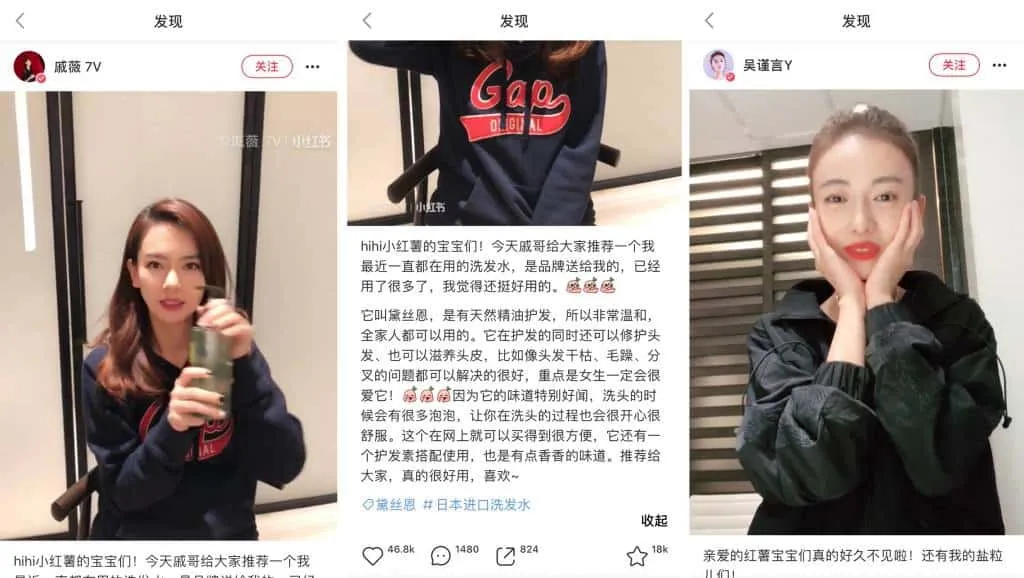
Platforms like Douyin and XHS offer content packages that connect brands with KOLs. Young women in their 20s drive cosmetics sales, they live on these platforms. Brands that partner with beauty influencers with strong followings on these platforms increase visibility and promote new products effectively.
In 2026, WeChat also plays a growing role in ambassador content distribution through private traffic groups and mini-programs. A KOL who drives followers into a brand’s WeChat ecosystem creates long-term retention, not just one-time purchases.
Collaborations with rising Chinese idols
Rising Chinese idols have large Gen Z followings and fashion-forward images. They are ideal for cosmetic product promotion. But the idol industry is changing. Regulatory pressure on celebrity culture has shifted which figures rise and which fade. Evaluate potential ambassadors on current popularity, not past peak. Check their Douyin follower growth, their XHS engagement rate, and their live streaming track record before you commit.
Brand ambassadors build image, influence purchasing decisions, and attract your target audience. But in 2026, ambassador strategy without ecommerce infrastructure is an incomplete plan. The brands winning in China’s cosmetics market run both simultaneously, KOL reach combined with Tmall presence, Douyin conversion, and XHS credibility.
Every brand is different. Your ambassador strategy, platform mix, and budget allocation must match your product category, target consumer, and growth stage. There is no single formula. But the brands that get it right share one thing: they do not treat branding and ecommerce as separate problems.