KOLs and Douyin KOL and KOC marketing
KOL Marketing in China: Strategy Guide for Beauty Brands
6 min read
On this page
- Understand Chinese KOLs and the Influencer Landscape
- What Are KOLs?
- Who Are Chinese KOLs?
- Why Are KOLs So Powerful in China?
- The KOL Marketing Market in China: Scale
- How to Run a Successful KOL Marketing Campaign in China
- Choosing the Right Platform for Your KOL Campaign
- KOL Marketing on Weibo
- KOL Marketing on WeChat
- KOL Campaigns on Douyin
- XHS (Xiaohongshu) KOL Strategy
- Kuaishou for Tier-2 and Tier-3 Cities
- KOLs and Chinese Shopping Festivals
- KOL Marketing for Small and Medium Beauty Brands
China’s KOL market has matured. The days of throwing budget at a mega-influencer and watching sales spike are over. In 2026, KOL marketing in China is a precision game. You need the right creator, on the right platform, selling through the right channel, with content that feeds AI discovery engines. This guide covers everything your beauty brand needs to know.
Understand Chinese KOLs and the Influencer Landscape
What Are KOLs?
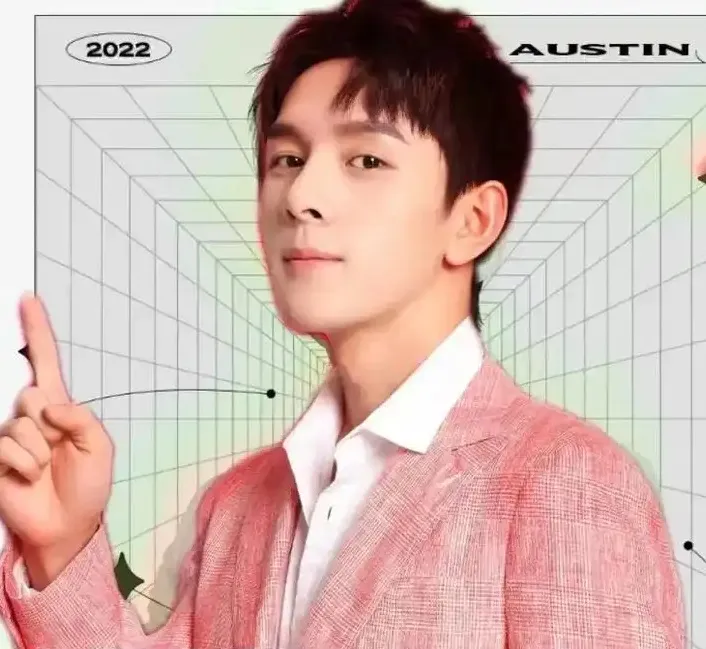
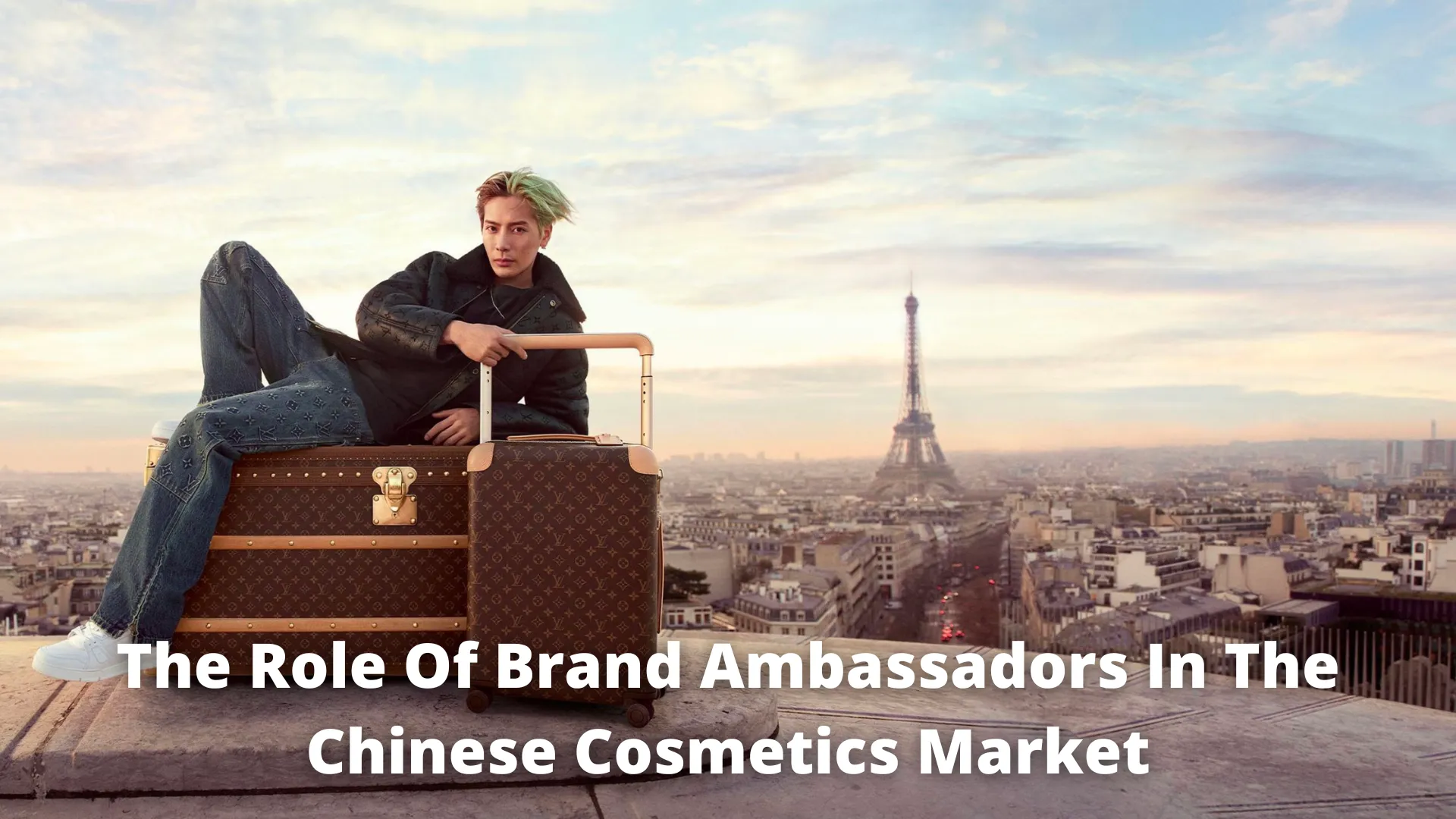
KOL stands for Key Opinion Leader. Think of them as China’s version of Instagram influencers, but with more commercial weight. They are thought leaders in their categories with large, loyal followings on platforms like Douyin, XHS, and Weibo. Their word moves purchasing decisions in ways paid ads cannot.
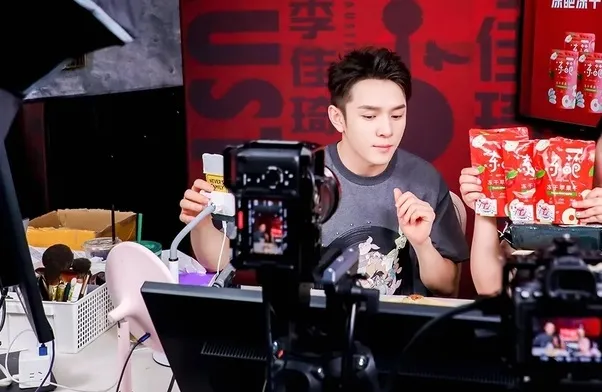
Brands work with KOLs to promote products, generate buzz, and drive direct sales through live streaming and short video. The format has evolved from simple product placement to full ecommerce integration, where a KOL can take a viewer from discovery to checkout in under three minutes.
Who Are Chinese KOLs?
Most active KOLs are between 20 and 35 years old. They work across several formats: short video, live streaming, long-form reviews, and XHS photo posts. In the beauty category, they fall into three main tiers:
- Mega KOLs: 5M+ followers. Expensive. Good for launch exposure.
- Mid-tier KOLs: 100K to 5M followers. Best balance of reach and engagement.
- KOCs (Key Opinion Consumers): Under 100K followers. High authenticity, lower cost, excellent for XHS seeding.
In 2026, the most effective beauty campaigns combine all three tiers. One mega KOL sets the narrative, mid-tier KOLs amplify it, and KOCs generate the peer-to-peer reviews that Chinese shoppers actually trust.
Why Are KOLs So Powerful in China?
Chinese consumers distrust traditional advertising. They grew up with counterfeit products and misleading brand claims. KOLs fill the trust gap. A recommendation from a creator your audience follows feels personal, not promotional.
This is especially true in beauty. Skin type, tone, and texture vary. Consumers want to see real results on real people. A KOL who matches your target customer’s profile does more for conversion than any billboard.
According to QuestMobile, beauty and personal care remains the top category for influencer marketing investment in China in 2025-2026.
The KOL Marketing Market in China: Scale
The KOL and influencer market in China has passed 150 billion RMB in total value. Douyin is now the primary battleground. XHS has become essential for brand credibility. Weibo remains relevant for announcements and celebrity tie-ins, but its share of total influencer spend is shrinking.
Live commerce has normalized. Shoppers expect to buy directly from a KOL’s stream. Brands that cannot close the sale inside the platform lose the moment.
Short video content continues to dominate. Attention spans are short. Your KOL content needs to hook in three seconds and communicate your core product benefit in under 30.
How to Run a Successful KOL Marketing Campaign in China
- Pick the right KOL for your category. A skincare brand does not need a fashion mega-influencer. Find someone whose audience matches your buyer profile.
- Give them your product, not your script. Chinese KOLs know their audience. Over-briefing kills authenticity. Give product, key claims, and boundaries. Let them work.
- Target the right platform. Douyin for reach and direct sales. XHS for credibility and SEO. WeChat for retention and loyalty. Pick based on your objective, not your budget.
- Localize everything. Do not translate your global campaign. Build content for China from scratch. Use Chinese product names, reference local trends, and speak to local concerns.
- Measure what matters. Track conversion, not just views. A KOL with 2M followers and zero link clicks is worthless. Negotiate trackable links, coupon codes, and GMV sharing where possible.
Choosing the Right Platform for Your KOL Campaign
KOL Marketing on Weibo
Weibo remains the go-to for product launches requiring mass exposure fast. Verified KOL networks are large and established. Users accept commercial content. It is expensive, but it builds brand visibility at scale. Use it for launches and major campaign moments.
KOL Marketing on WeChat
WeChat is a different beast. Users here read long-form content and expect depth, not hard sells. WeChat influencer marketing works best in the mid-funnel: educating prospects who already know your brand, converting consideration into intent. KOLs on WeChat are often specialists, dermatologists, ingredient experts, beauty editors. Their audiences are smaller but extremely loyal.
KOL Campaigns on Douyin
Douyin is where beauty brands grow fast. With over 700 million daily active users in 2026, it offers reach no other platform matches. Douyin KOL marketing works through short video and live streaming, often with direct purchase links inside the content. A single viral video from the right KOL can move thousands of units in hours. The challenge is consistency: one hit does not build a brand.
XHS (Xiaohongshu) KOL Strategy
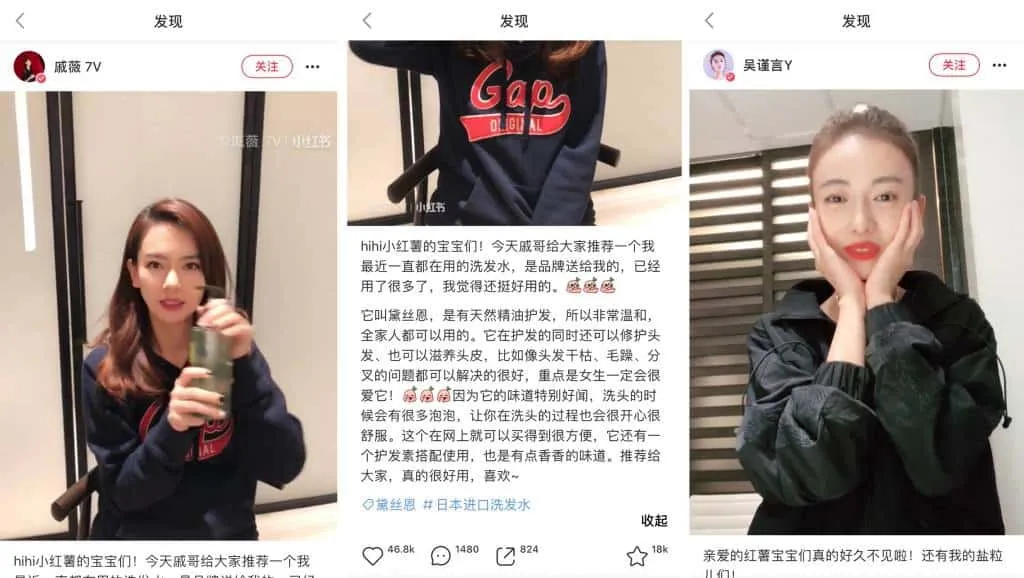
XHS is now mandatory for beauty brands entering China. It functions as a search engine, social platform, and shopping app in one. When Chinese consumers research a product, they search XHS first. Working with XHS KOLs and KOCs generates the peer review content that feeds both consumer trust and AI recommendation engines.
On XHS, KOC content outperforms mega KOL posts for engagement and conversion. Invest in volume here: 20 authentic KOC reviews beat one celebrity post every time.
Kuaishou for Tier-2 and Tier-3 Cities
Kuaishou reaches Chinese consumers outside the major metro areas. If your brand targets mass market or affordable beauty, Kuaishou’s KOC-heavy community gives you access to a loyal, purchasing audience that XHS and Douyin often miss.
KOLs and Chinese Shopping Festivals
Double 11, 618, and the growing number of platform-specific sales events drive massive KOL spending spikes. But do not waste budget here if your brand awareness is low. You will compete against L’Oreal, Estee Lauder, and Proya with their full war chests. Your campaign gets buried.
Build brand awareness first. Enter shopping festivals only when you have enough organic search volume and XHS presence to amplify, not create.
If you do enter, the winning pattern is: KOL seeding 2-3 weeks before the event, live streaming on the day, KOC review content in the post-event window to capture late buyers.
KOL Marketing for Small and Medium Beauty Brands
Most KOL guides assume you have the budget of a global beauty conglomerate. You probably do not. Here is the honest approach for SMEs.
Start with KOCs on XHS. They are affordable, authentic, and generate the content your brand needs for long-term SEO and AI visibility. Build your XHS content library first. Then layer in mid-tier KOLs on Douyin once you have proof of product-market fit in China. Save mega KOLs for when you have a working funnel to send their audience into.
Without brand awareness, a KOL campaign is a leaky bucket. Fix the bucket first.
KOL marketing in China works. But it requires the right structure: the right KOL tier for your brand stage, the right platform for your objective, ecommerce infrastructure to capture every sale, and content that feeds both consumer trust and AI recommendation engines.