Distribution and retail Travel retail and duty free
China Travel Retail and Duty Free in 2026: The New Legislation Beauty Brands Must Understand
4 min read
On this page
China’s travel retail market has become one of the most important entry doors for foreign beauty brands, and in 2026 the rules governing it changed more than they have in a decade. If your brand sells cosmetics, fragrance or skincare and China is on your roadmap, duty free is no longer a side channel to think about later. It is often the fastest, and lightest, way in. But only if you understand the legislation now reshaping it.
Why travel retail matters more than most brands realize
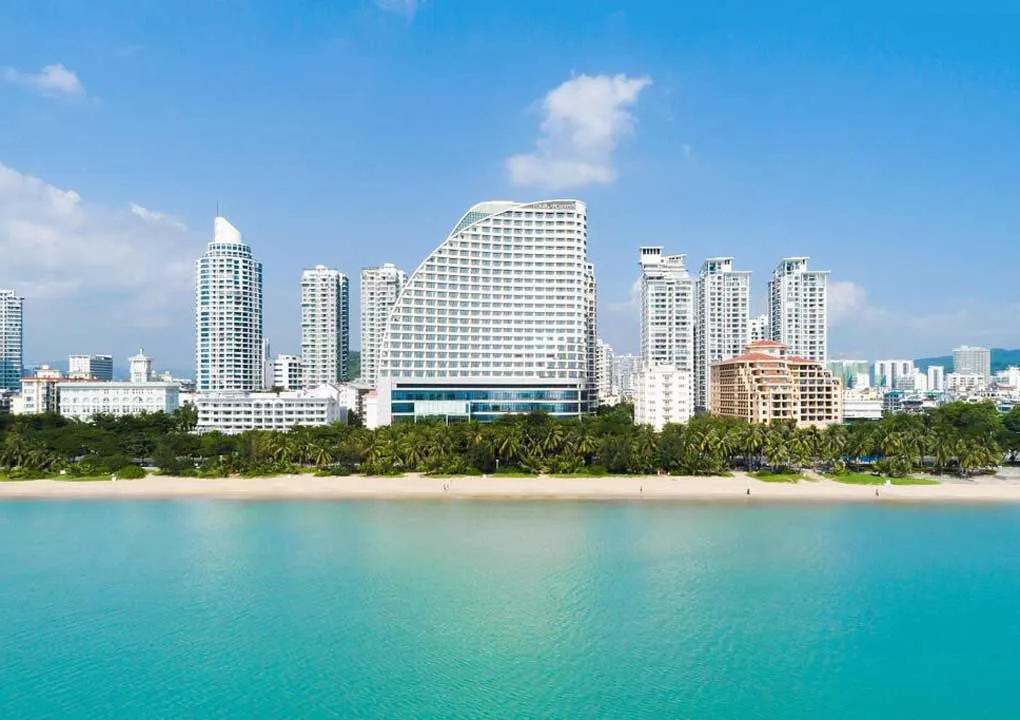
China is on track to represent roughly 31% of the global duty free market in 2025. The engine behind that is Hainan, the tropical island province that operates an offshore duty free regime unlike anything else in the world. Cumulative offshore duty free sales in Hainan passed RMB 206.9 billion since the policy began in 2011, and beauty is the dominant category: fragrances and cosmetics together account for around 36% of China’s travel retail revenue.
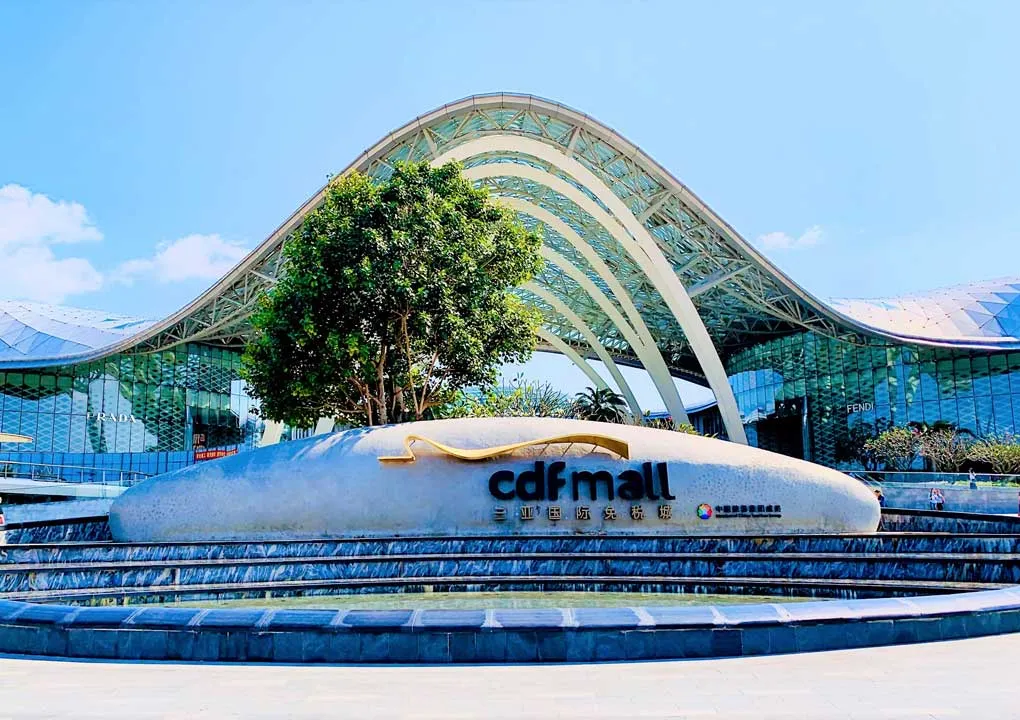
One company sits at the center of it. China Duty Free Group, known by its “cdf” brand, held about 78.7% of China’s duty free market in 2024. For a foreign beauty brand, that concentration is both the opportunity and the challenge: getting listed with CDFG can put your product in front of millions of Chinese shoppers, but it also means negotiating with a single dominant gatekeeper.
The offshore duty free rules every beauty brand should know
The foundation of Hainan’s system is the annual shopping quota: each shopper can buy up to RMB 100,000 (around US$14,000) of duty free goods per calendar year, with no cap on the number of transactions. That quota applies to travelers leaving Hainan by air, train or sea, which turns the island into a genuine shopping destination rather than a simple airport stopover.
Three regulatory changes in 2025 and 2026 matter directly for beauty brands.
The April 2025 pickup reform. Hainan introduced “buy now, pick up now” and guaranteed pickup methods for 15 product categories, including cosmetics and perfume. Hainan residents who leave the island at least once a year can now buy these categories with no per-transaction limit for the rest of the year. In practice, this removes friction that used to slow beauty purchases at the point of sale.
The November 2025 policy upgrade. Duty free categories expanded from 45 to 47, the minimum buyer age rose from 16 to 18 to align with international norms, and domestic products sold at departure duty free shops were reclassified as exports, making them eligible for tax rebates. For brands, the signal is clear: China is professionalizing and expanding the system, not winding it down.
The December 18, 2025 island-wide customs closure. This is the landmark change. Hainan launched island-wide independent customs operations, lifting zero-tariff coverage from around 21% to 74% of tariff lines, covering roughly 6,600 product categories. The model is “freer access at first line, regulated access at second line, free flow within the island.” High-end skincare is among the goods now entering Hainan at lower cost. The catch: as tariffs fall across the board, duty free’s price advantage over cross-border e-commerce and general trade narrows, which means brands can no longer rely on price alone to win in this channel.
The registration advantage foreign brands keep missing
Here is the point most brands discover too late. Cosmetics sold through Hainan’s offshore duty free channel are exempt from the full general-trade NMPA registration that normally governs imported cosmetics in China. That is the same kind of exemption cross-border e-commerce enjoys, and it makes duty free one of the fastest legal routes to test the Chinese market before committing to full registration.
On top of that, from September 2024 cosmetics sold via Hainan offshore duty free can use electronic labels instead of physical Chinese labels, and a three-year electronic-labeling pilot expanded in February 2026 across major provinces. For a foreign brand, that removes one of the most tedious compliance burdens of selling physical stock in China.
The tradeoffs are real. Reliance on a single dominant buyer creates concentration risk. Daigou resellers and grey-market dynamics put pressure on price and brand control. And after the December 2025 customs closure, the competitive landscape is more crowded and less protected by tariff walls than it was even a year ago. Travel retail in China is a genuine opportunity, but it is not a passive one.