Brand analyses C-beauty: China's own brands
Chinese Beauty Brands Are Going Global: Expansion, E-Commerce, and the Search for International Partners
5 min read
On this page
- Why Are Chinese Beauty Brands Expanding Overseas?
- How Chinese Beauty Brands Are Expanding Overseas
- 1. Leveraging Cross-Border E-Commerce for Rapid Market Entry
- 2. Partnering with Global Distributors & Retailers
- The Numbers Behind the Expansion
- Platform Shifts Driving International Discovery
- The Consumer Shift: From Hype to Efficacy
The global beauty industry is witnessing a power shift, as Chinese cosmetics brands rapidly expand beyond their home market. Once dominated by Western giants, the beauty sector is now seeing ambitious Chinese brands entering international markets, driven by high-quality formulations, advanced technology, and aggressive digital marketing strategies.
From Tmall Global to Sephora shelves, Chinese beauty brands are actively seeking international distributors, retailers, and e-commerce agencies to establish their presence worldwide. Now is the time for global partners to tap into this booming trend.
Why Are Chinese Beauty Brands Expanding Overseas?
Explosive Domestic Growth & Strong R&D – China’s $87 billion beauty market has become a global innovation hub, with advanced skincare, clean beauty, and TCM-infused formulas leading trends worldwide.
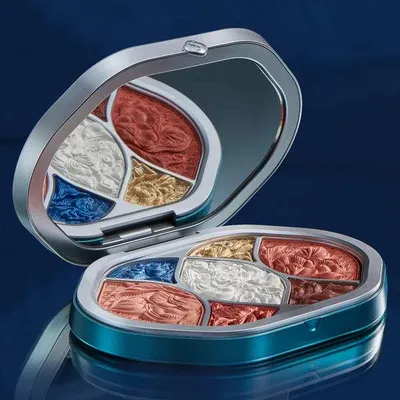
International Demand for C-Beauty – Global consumers are increasingly interested in Chinese beauty brands, especially in Asia, the Middle East, and Europe, where demand for affordable luxury, herbal skincare, and high-performance cosmetics is surging.
Cross-Border E-Commerce Boom – Tmall Global, JD International, Amazon, and Shopee are providing direct cross-border access, allowing Chinese brands to sell internationally without local operations.
Government Support & Funding – Chinese beauty startups are securing massive investment rounds, with VC-backed brands aggressively expanding their footprint abroad.
How Chinese Beauty Brands Are Expanding Overseas
1. Leveraging Cross-Border E-Commerce for Rapid Market Entry
The fastest way for Chinese brands to test international demand is through cross-border platforms that allow direct shipping from China.
How Brands Are Doing It:
Tmall Global & JD International – Major gateways for selling into Asia, Europe, and the U.S. without local warehouses.
Amazon & Shopee – Key platforms for penetrating Southeast Asia, Middle East, and Western markets.
DTC (Direct-to-Consumer) via Shopify – Many Chinese brands are building localized e-commerce stores with aggressive paid media strategies.
Example: Perfect Diary, one of China’s biggest beauty disruptors, entered Southeast Asia via Shopee & Lazada, then expanded to Europe through Tmall Global. In Q1 2026, its parent company Yatsen Group reported total revenue up 22.5% year on year to RMB 1.02 billion, a signal that the cross-border model is paying off.
2. Partnering with Global Distributors & Retailers
While e-commerce is the first step, Chinese beauty brands need on-the-ground partners to scale their retail and distribution networks.
What They’re Looking For:
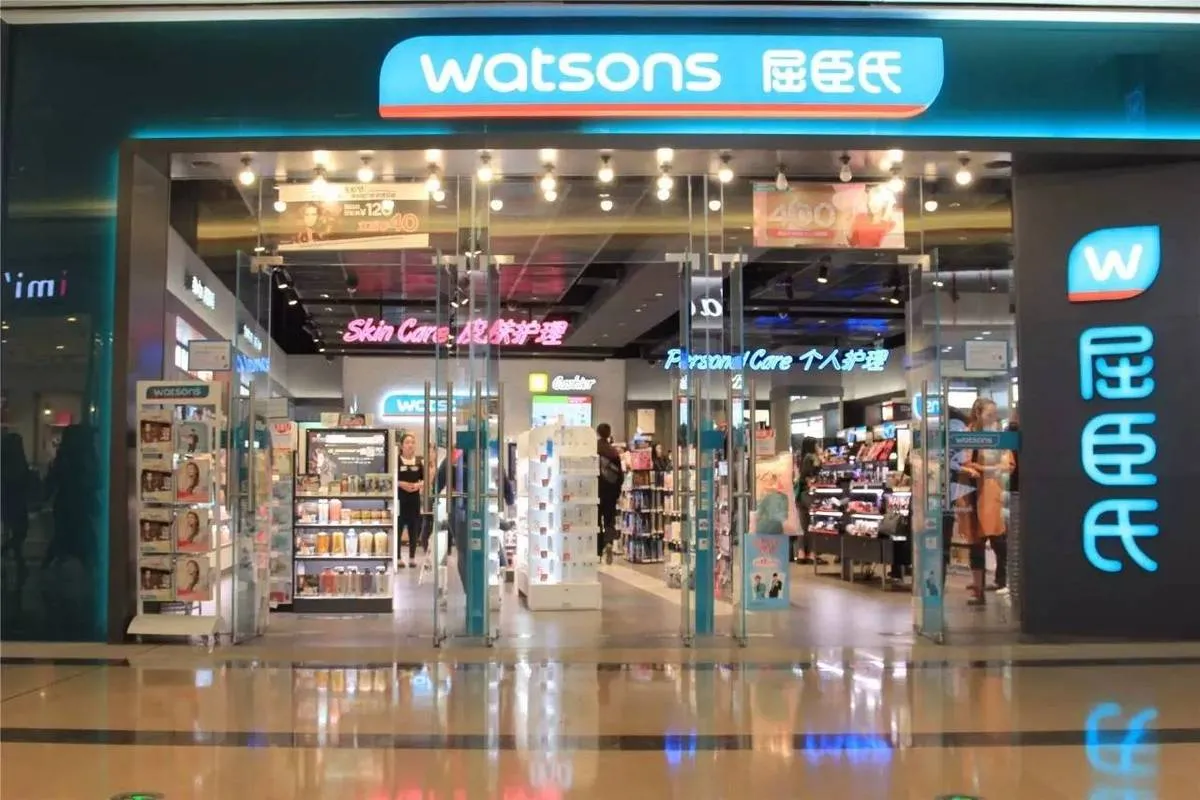
Retail Chains & Beauty Stores – Brands want to enter Sephora, Watsons, Douglas, and niche beauty retailers in key markets.
Local Distributors & Importers – Handling logistics, product registration, and localized branding.
Beauty Subscription Boxes & E-tailers – Selling through Boxycharm, Ipsy, and niche beauty platforms.
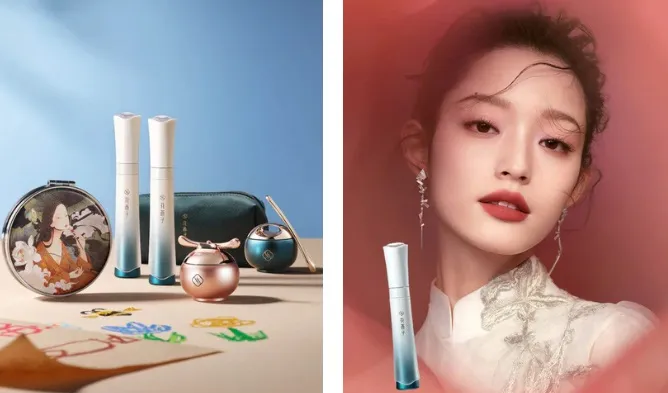
Example: Florasis opened a flagship in Tokyo’s Ginza Six in early 2025, the first Chinese cosmetics brand to operate a flagship store in that district. A counter at Paris’s Samaritaine department store followed. Japan now accounts for 40% of Florasis’s total overseas revenue, and the brand distributes to over 110 countries. Proya took a different route: in May 2026, it launched its core product lines across more than 200 Guardian stores in Malaysia, proving that volume-led regional retail is equally viable for brands with the right formulation story.
The Numbers Behind the Expansion
The scale of C-beauty’s global push is now visible in export data. China’s cosmetics exports rose 11.7% year on year to 36.68 billion yuan (approximately $5.2 billion USD) in the first eight months of 2025 alone, marking a third consecutive year of double-digit export growth. More than 50 Chinese brands now operate active overseas programs, according to China.org.cn data.
Domestic brands now hold 57% of the Chinese market, the fifth consecutive year of share gains over international labels. That domestic scale is what funds and motivates the push abroad. Brands that dominate a market of that size arrive internationally with production depth, formulation investment, and marketing budgets that smaller Western competitors cannot match at the same price point.
The global C-beauty market is valued at USD 19.82 billion in 2025 and projected to reach USD 43.41 billion by 2033, a CAGR of 10.3% (Polaris Market Research). For international distributors, that trajectory makes C-beauty a category worth prioritizing now, before shelf space fills up.
Platform Shifts Driving International Discovery
The way Chinese beauty brands build awareness before an overseas launch has changed. Three platforms now play distinct roles, and understanding this split matters for any partner evaluating a C-beauty brand’s market readiness.
Douyin is the volume engine. In early 2026, Douyin overtook Tmall as the primary discovery channel for beauty, with livestream commerce driving impulse purchasing at scale. Chinese brands expanding abroad routinely use Douyin performance data to prove product-market fit before committing to international logistics and retail partnerships. Read how Douyin advertising works for beauty brands at scale.
Xiaohongshu (XHS/RED) is where product credibility gets built. In H1 2025, the platform removed 3.2 million false notes and banned 10 million fake accounts. That moderation effort makes authentic XHS reviews more trusted than before. International buyers and distributors now check XHS sentiment before entering negotiations with a Chinese brand. A brand with several hundred authentic XHS reviews showing real skin results carries more weight than a polished press kit. See how Xiaohongshu marketing drives trust for beauty brands entering new markets.
Tmall remains the conversion and repurchase platform. The data shows a clear division of labor: Douyin for discovery and excitement, Tmall and JD for purchase and loyalty, XHS for research and trust. Brands that try to run every stage of the funnel on one platform miss the way Chinese consumers actually buy.
The Consumer Shift: From Hype to Efficacy
Post-2024, Chinese beauty consumers stopped responding to influencer hype alone. The dominant purchase driver is now what market analysts call “efficacy skincare”: clinically framed actives with substantiated claims. Winona, built around dermocosmetics for sensitive skin, claims partnerships with more than 3,000 dermatology departments in Chinese hospitals. Proya leads with Retinol and peptide formulas backed by clinical data. Both brands are gaining share because they lead with proof, not storytelling.
For international partners, this shift is practical. Chinese brands entering foreign markets now arrive with clinical testing and ingredient transparency already built in.
Fragrances are a separate opportunity worth noting. The category has averaged double-digit annual growth since 2018 and continues to expand in 2026. In May 2026, Proya acquired a 51% stake in Flower Knows, a Chinese makeup brand with strong cross-border experience and a Gen Z following. That move signals where the industry is heading: category breadth, younger demographics, and international retail built into the brand from the start.