Brand analyses C-beauty: China's own brands
C-Beauty Takes Western Shelf Space: Proya Lands 400 Ulta Doors
7 min read
On this page
For fifteen years the traffic ran one way. Foreign beauty brands fought to get into China, and Chinese brands fought to get on Tmall. That phase is over. The competitor you are trying to outrank on Xiaohongshu is now booking shelf space in the same American retailer that carries you.
The facts
On 19 August 2026, Proya Cosmetics announced a partnership with Ulta Beauty. Its PROYA brand enters roughly 400 Ulta doors across the United States plus Ulta.com in November 2026, inside the prestige skincare assortment. The first wave is built on two ranges: the Ruby line (红宝石, marketed in the US as the Advanced Firming Collection) and Source Power (源力, the Original Repair Collection). Chinese trade press counts 16 SKUs in the initial listing.
The detail that matters is not the store count. It is that PROYA got physical doors and the website at the same time. Florasis (花西子) reached Ulta online only. Proya is the first Chinese beauty brand to land both halves in one deal.
This was not a first attempt. In April 2026, Proya signed with Guardian, the health and beauty chain that has been on Malaysian high streets for decades. Its Source Power, Ruby and Double-Action ranges went into the network, with a stated target of more than 200 Guardian doors nationwide. In May, the group reported that its counter in Asia’s largest Guardian store topped that store’s daily sales ranking. Southeast Asia was the rehearsal. The United States is the performance.
The numbers behind it are not small. Chinese cosmetics exports reached 7.82 billion USD in 2025, up 9.2% year on year, and Chinese reporting puts the figure close to 56 billion RMB with more than 50 domestic beauty brands now selling abroad. A September 2026 Zhejiang Daily piece counted more than 16 leading domestic brands already inside foreign physical retail, and export growth accelerating to 28.4% in the first half of 2026. Mao Geping took a Hong Kong Sephora counter, then a Harbour City flagship. Florasis opened in Paris at La Samaritaine and in Tokyo at Ginza Six.
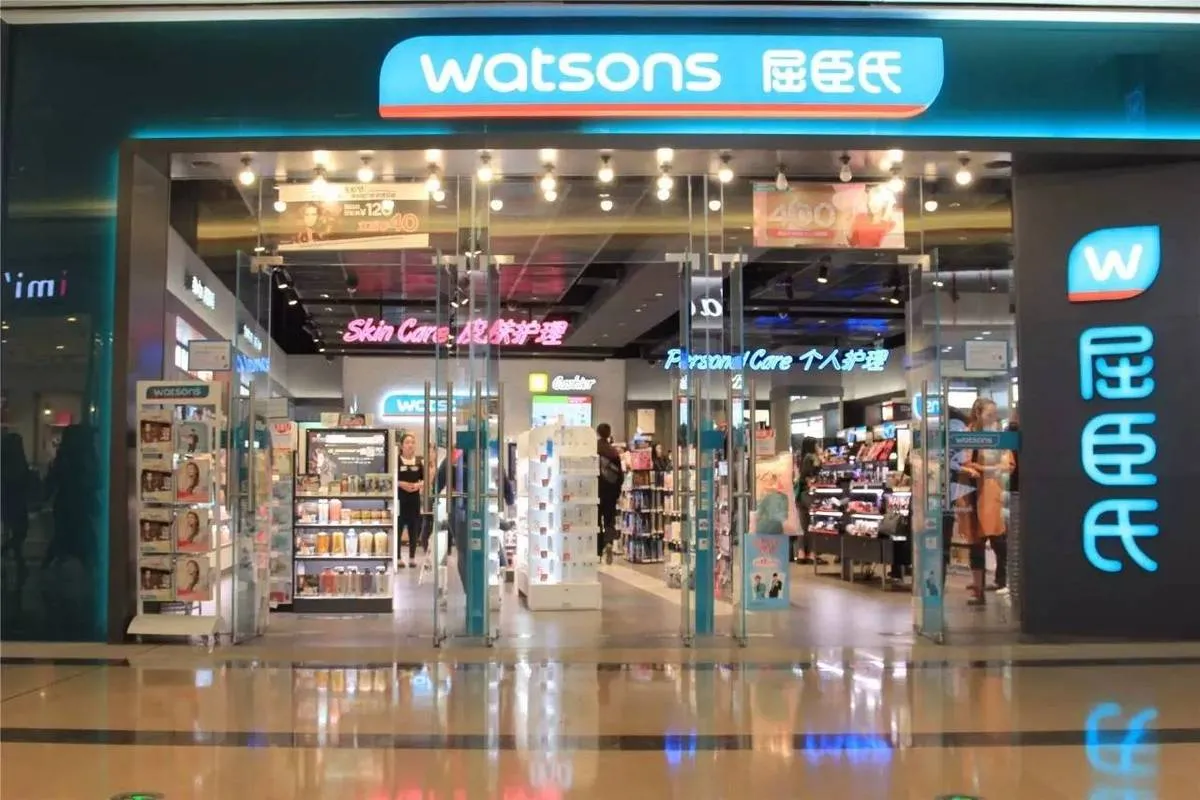
The chain-store shelf is the format Chinese brands learned at home with Watsons, and the one they are now buying abroad.
What this actually means
Chinese 出海 has changed stage. Phase one was cross-border marketplaces: list on Shopee, Amazon, TikTok Shop, sell on price, no local team, no shelf. Cheap to start, impossible to defend. Phase two is what Proya is doing now: a signed distribution agreement with a national chain, a planogram, a trade margin, in-store staff training, local regulatory files, and a marketing budget that has to feed a physical door rather than an ad account.
Phase two is much harder, and that is exactly why it should worry you. Anyone can spin up a marketplace listing. Getting into 400 Ulta doors means Proya passed a US retail buyer’s review on formula claims, packaging, pricing architecture, sell-through forecast and supply reliability. They now have a two-way learning loop most European brands still do not have in China.
Think about what they are buying with that deal. Not American revenue, at least not in year one. They are buying an education in Western prestige retail: how a US buyer reads a sell-through report, how gondola resets work, what a Sephora or Boots category manager will ask for next time. Proya will pay for that education with a first year that probably disappoints on sales. Then they will use it everywhere.
The honest counter-argument: 400 doors inside a 1,400-store chain is a trial, not a rollout, and Chinese brands have failed in Western retail before on the unglamorous parts, repeat purchase and staff advocacy. A Chinese serum with no story an American beauty advisor can tell in twenty seconds will sit on that shelf and die. I would put the odds of PROYA still being in Ulta in 2029 at somewhere under even. That does not make this less serious for you. Proya keeps the knowledge either way.
What it changes for your brand
Two things change, and they are separate problems.
One: the learning curve is now running against you. While your team is on its third year of trying to make a Tmall flagship profitable, Proya is learning your home market’s retail operating system. Asymmetry used to be your advantage. You knew Western retail, they knew China. In five years, they will know both, and you will still know one. That is the part nobody in a European boardroom has priced in.
Two: your negotiating position with Asian distributors just got worse. This is the immediate, unromantic one. When a Malaysian, Indonesian or Vietnamese chain buyer sits down with you, they now have a credible alternative that arrives with a China-scale marketing budget, faster product cycles, packaging tuned to local taste, and a price that sits under yours. Your French or Korean origin story used to carry the margin. In Kuala Lumpur and Jakarta in 2026, it carries less of it. Expect harder asks on listing fees, on trade spend, on exclusivity windows, and expect to be shown a competitor’s sell-through numbers as leverage.
Who this does not concern: if you are a clinical or pharmacy-channel brand with a real dermatological dossier, or a true luxury house selling on heritage at 300 euros, your moat is still there for now. Everyone in prestige mass, the 30 to 90 euro serum, is in the fight.
What to do about it, in order
None of this requires a bigger China budget. It requires a different use of the one you have.
1. Build a competitor file on the three Chinese brands in your category, and keep it alive. Not a slide. A living document: their SKU launches, their price moves on Douyin and Tmall, their claims, their overseas registrations, their distributor signings in Southeast Asia. Public Chinese sources carry all of it, usually six to twelve months before the English-language trade press does. This is the cheapest thing on the list and almost nobody does it.
2. Reprice your Asian distribution contracts on the assumption of Chinese competition, not in reaction to it. Go into the next Guardian, Watsons or Matsumoto Kiyoshi negotiation with your own sell-through per door, your own consumer research, and a trade spend proposal. If you arrive with only your heritage, you will be handed the terms.
3. Fix what your China presence is actually for. Most brands I see are running China as a revenue line that never quite works. Run it as intelligence plus a real, small, defensible position. One channel done properly beats four done thinly. Our view on how that fails is in the seven ways a China entry strategy comes apart, and it is still accurate.
4. Learn the product cadence, not just the marketing. Proya’s edge is not advertising. It is time from claim to shelf. If your innovation cycle is 24 months and theirs is 9, no campaign closes that.

Proya built its Ruby and Source Power ranges on the Chinese market first, then carried them into Malaysian and American chains.
Two pieces of related reading: why L’Oreal and Proya are buying small stakes in each other’s kind of brand, and how local labels have been beating foreign competition inside China. Read them in that order.
The open question
Some export directors I talk to say the answer is to pull back from China, concede it, and defend the home shelf with everything. Others say the only way to survive the next ten years is to be inside China precisely so you can see what is coming before it lands in Ohio or in Lyon. Both positions are defensible and they lead to opposite budgets.
Which one are you actually funding next year, and would your CFO recognise it from the numbers?