China beauty market Market size and structure
Chinese Beauty Production Moves Offshore: What It Means for Your Supply Chain
7 min read
On this page
Something moved in the Chinese beauty supply chain this summer, and almost nobody outside China noticed. If your brand has a contract manufacturer in Guangzhou, Shanghai or Zhongshan, or if you are about to sign one, this concerns you directly.
The fact
On 21 August 2026, S’Young International, listed in Hong Kong as Chicmax / 上美股份 (02145.HK), broke ground on its own cosmetics plant inside a special economic zone in Central Java, Indonesia. Phase one is designed for roughly 500,000 units a day. The site is meant to take over localised production for Southeast Asia, and it is planned to start up in July 2027. The company confirmed the groundbreaking and the July 2027 start-up in its own investor communication on its globalisation plan, and Chinese trade press reported the location and the phase-one capacity in its coverage of Chinese beauty groups moving production and retail offshore.
Country of manufacture decides which dossier your product sits under. Moving a line to Indonesia does not remove the Chinese filing, it restarts it.
This is a Chinese beauty group that owns brands, not a contract manufacturer. It is building factory capacity outside China anyway.
Now put a second number next to it. Nox Bellcow, the ODM that until July 2026 traded as Qingsong Group (青松股份, 300132.SZ) and then renamed itself after its cosmetics subsidiary, reported first-half 2026 revenue of RMB 1.107 billion, up 18.16% year on year, and net profit attributable to shareholders of RMB 56.34 million, up 105.55%. Gross margin came in at 18.99%, up 1.48 points. Its own July profit warning had guided to RMB 50 to 61 million, or growth of 82.43% to 122.57%. It landed near the top of its own range.
So the Chinese contract manufacturing base is not in trouble. It is having a good year. And at the same time the brands it serves are starting to build plants somewhere else.
What this actually means
Read those two items together and you get the real story. Chinese beauty manufacturing is not leaving China. It is getting a second address.
The Indonesian plant is not a cost move. Central Java labour is cheaper than the Pearl River Delta, but a cosmetics line is not labour-heavy, and you do not build a greenfield site to save on wages. Three things are being bought here instead. Tariff and non-tariff room inside ASEAN. Halal certification, which in Indonesia is now the practical condition of shelf presence, not a nice-to-have. And speed: a Jakarta or Manila launch served from Java instead of Shanghai takes weeks off the cycle.
The precedent is worth remembering. Chinese consumer electronics went through this between 2018 and 2023. Vietnam and Indonesia got assembly plants, China kept the component base and the decision-making. The word used at the time was “relocation”. What happened was duplication. Beauty is starting the same arc, for regulatory rather than trade-war reasons.
Here is what I do not believe. I do not believe this makes Chinese ODM capacity cheaper for you. Nox Bellcow’s margin went up, not down. Orders are recovering, the good lines are booked, and a manufacturer with a full book negotiates differently. If your plan was to wait for Chinese factory overcapacity to hand you a discount in 2027, that plan is already stale.
What stays unclear, and I will say so plainly: nobody has published what the Indonesian site will actually run. Whether it will ever take third-party ODM work, whether it will be open to foreign brands, whether the formulation and filling lines there will be certified for anything beyond the group’s own brands. All of that is unannounced. Treat any consultant who tells you otherwise with suspicion.
What this changes for your brand
Most Western beauty brands selling in China already have part of the range made by a Chinese ODM, or are seriously considering it. Sheet masks, wipes, some cleansers and gels, some colour. The reasons are always the same: the mould already exists, the minimum order quantity is realistic, and the lead time is six weeks instead of five months.
If that describes you, four things change now.
Your country of manufacture is a regulatory choice, not a logistics one. This is where I see the most expensive mistakes. A brand hears “Indonesia” and assumes it has found a way to soften its China compliance work. It has not. Cosmetics sold in mainland China need NMPA filing or registration regardless of where they were made, and the responsible person requirement does not move. Making the product in Java simply means the safety assessment dossier now describes an Indonesian site, with an Indonesian GMP certificate, and your filing timeline restarts. We covered the current rules in our note on NMPA documents No. 70 and No. 72 and what they changed for registration. Nothing in them cares where the factory is.
Customs arithmetic flips depending on the direction. Made in China and sold in China: no import duty, and cross-border e-commerce becomes irrelevant, which is often a good thing for a brand tired of the general trade / CBEC split. Made in Indonesia and sold in China: you are importing again, with rules of origin paperwork, and ASEAN-China preferential rates that you have to actually claim, not assume. We have seen the equivalent trap in food, where a change of production site triggered a fresh registration process, as in the GACC Decree 280 requirements for overseas manufacturers.
Halal becomes your problem the moment you produce in Indonesia. Indonesian halal rules for cosmetics are stricter than most European brands expect, and they reach into ingredients, cleaning agents and shared line scheduling. If you produce halal, that is an asset in Indonesia, Malaysia and the Gulf. It is neutral in China. It can be a constraint if your formula relies on animal-derived or alcohol-based components. Decide whether you want the asset before you sign, because retrofitting a line is worse than specifying it.
Available capacity is about to be contested. Chinese groups building abroad are also raising volumes at home. A recovering ODM sector with rising margins means the best lines go to the biggest, most predictable customers. A European brand ordering 30,000 units of one SKU twice a year is not that customer. Book earlier than you think you need to.
The practical work splits into three pieces, in this order.
First, map your SKUs by destination market before you map them by factory. Most brands do it backwards, pick a plant, then discover which markets that plant locked them out of. For each SKU write down which markets it sells in, which regulatory dossier it sits under, and what a change of site would cost in filing time. Do this in a spreadsheet, in-house, in a week. Anyone who charges you for it is overcharging.
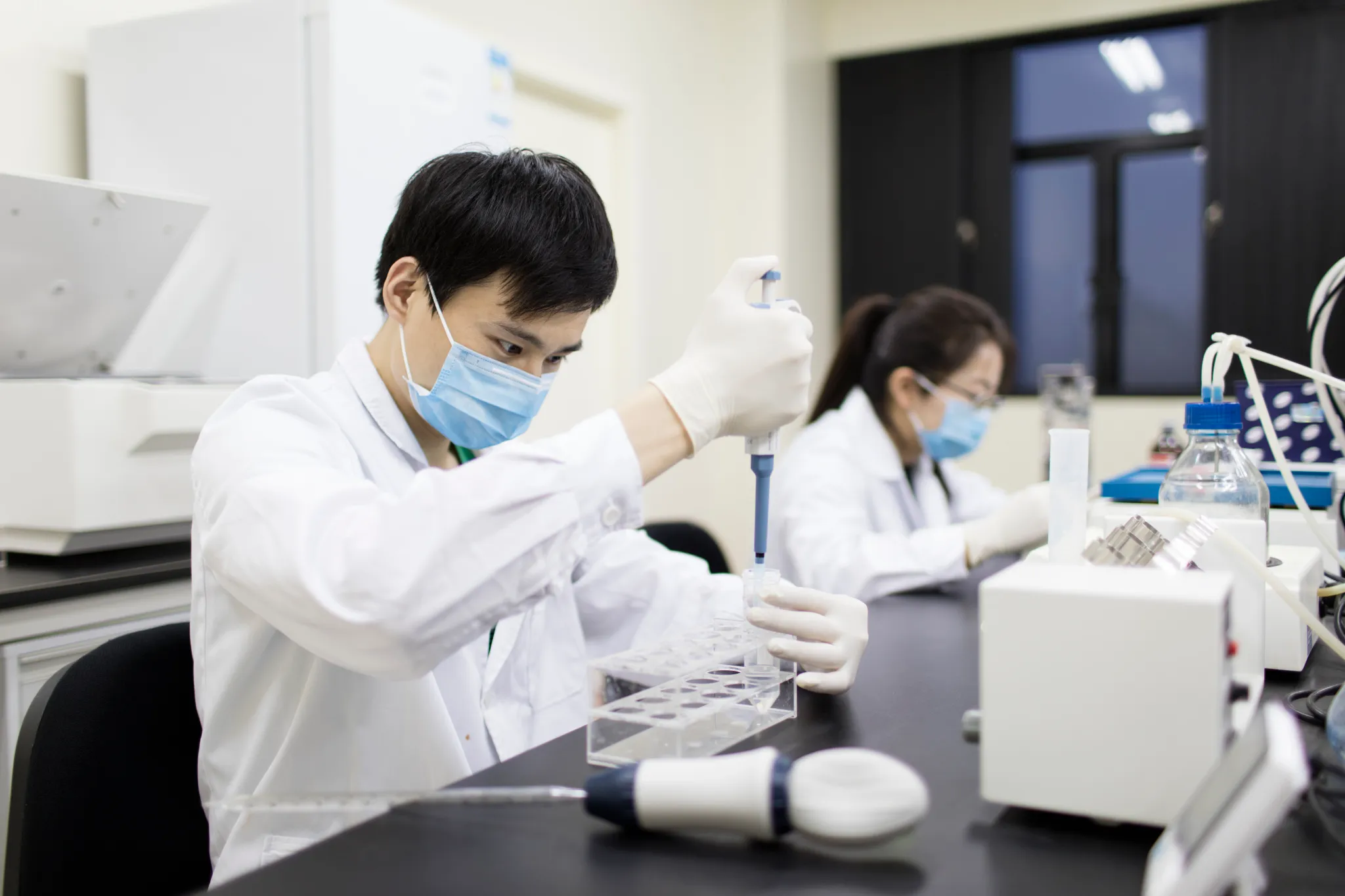
Qualify a plant on its certificates, not on the site visit. The GMP scope and the halal expiry date tell you more than the tour does.
Second, qualify the factory on paperwork, not on the tour. Ask for the GMP certificate, the ISO 22716 scope, the halal certificate and its expiry, and the list of markets where their dossiers have already cleared. A plant that has already shipped into China and into Indonesia is worth a premium over one that has only shipped into China. This is where an on-the-ground partner earns its fee, because the certificates need reading in Chinese and checking against the issuing body.
Third, and this is the part brands skip: tell the market. Chinese shoppers have become genuinely relaxed about domestically made products, the same shift we described when Western groups started taking minority stakes in C-beauty brands. But “made in Indonesia” on a French brand’s Tmall page will get asked about in the Q&A, and if your answer is not ready, a competitor’s KOC will write it for you. Prepare the line, put it in the product detail page, brief customer service.
The question worth arguing about
One camp says a European beauty brand should keep every gram of production in Europe and sell the origin story, accepting higher unit cost and slower launches. The other says the origin premium has already collapsed among Chinese buyers under 35, and any brand not using Chinese or ASEAN manufacturing for its volume lines is paying a tax on nostalgia.
I lean towards the second for masks, wipes and cleansers, and towards the first for anything the customer thinks of as a treatment. Where do you draw that line in your own range?