Marketing strategy Campaigns and the marketing calendar
Values-Led Cosmetics Marketing in China: What the 'Marriage Market' Campaign Still Teaches Us
2 min read
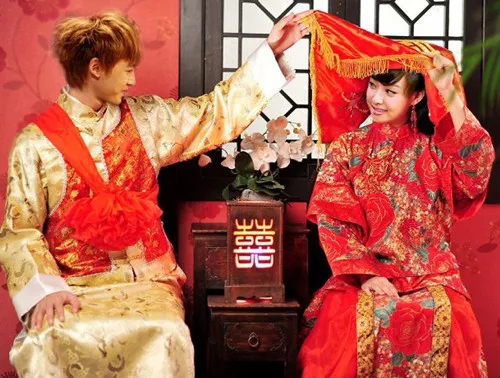
In 2016, a skincare brand ran a campaign in Shanghai’s People’s Park “Marriage Market”, the weekly gathering where parents display their adult children’s profiles to find them a spouse. The campaign challenged the social pressure on Chinese women to marry before 25, supporting those labeled “Sheng Nu” (leftover women) by society. It was brave, culturally resonant, and effective. A decade later, the campaign’s message has become more relevant, not less, and the cosmetics brands that understand this cultural shift are winning with Chinese women in 2026.
Chinese society’s relationship with beauty, identity, and social pressure has evolved significantly. The “lying flat” (tang ping) and “let it rot” (bai lan) movements (expressions of rejection of social pressure) have reshaped how younger Chinese consumers relate to beauty brands. Brands that preach confidence, self-expression, and authenticity consistently outperform those selling aspiration and conformity.
Cultural Shifts Reshaping Cosmetics Marketing in China
The “Marriage Market” campaign worked because it took a genuine cultural position, it did not just sell a moisturizer, it said something about the world. In 2026, Chinese consumers (particularly Gen Z women born after 1995) respond strongly to brands with a clear values position. They do not want brands that tell them they need to be more beautiful. They want brands that celebrate who they already are.
This is not just idealism, it is commercial reality. The brands growing fastest among Chinese Gen Z are those with strong social values: domestic brands like Florasis (celebrating Chinese cultural heritage) and international brands like Fenty Beauty (inclusive shade ranges, diverse representation). The cosmetics category in China is no longer just about looking good, it is about identity expression.
Trends: Values-Led Cosmetics Marketing in China
- Gender-inclusive beauty is growing: Chinese male consumers are the fastest-growing cosmetics demographic. Brands with gender-neutral positioning or dedicated men’s lines (skincare, BB cream, lip care) are capturing a market that barely existed in 2016.
- Body positivity drives brand loyalty: Campaigns featuring diverse skin tones, skin textures, and body types resonate strongly with Chinese Gen Z on XHS. Authentic representation outperforms aspirational fantasy.
- Anti-aging redefined: Chinese consumers in their 30s-40s are shifting from “anti-aging” framing to “skin health” framing. Brands that lead with health, barrier function, and longevity outperform those leading with wrinkle reduction.
- Sustainability as brand value: Chinese Gen Z consumers increasingly factor environmental responsibility into brand choice. Clean formulas, recyclable packaging, and brand transparency on ingredient sourcing are differentiators in 2026.
- Mental wellness meets beauty: “Skincare as self-care” is a growing narrative on XHS. Brands that connect their products to stress relief, sleep quality, and emotional wellbeing tap into a powerful consumer motivation.