Distribution and retail Beauty retail chains and store formats
DIY Fragrance Bars Are Back in China: Fad or Real Retail Category?
6 min read
On this page
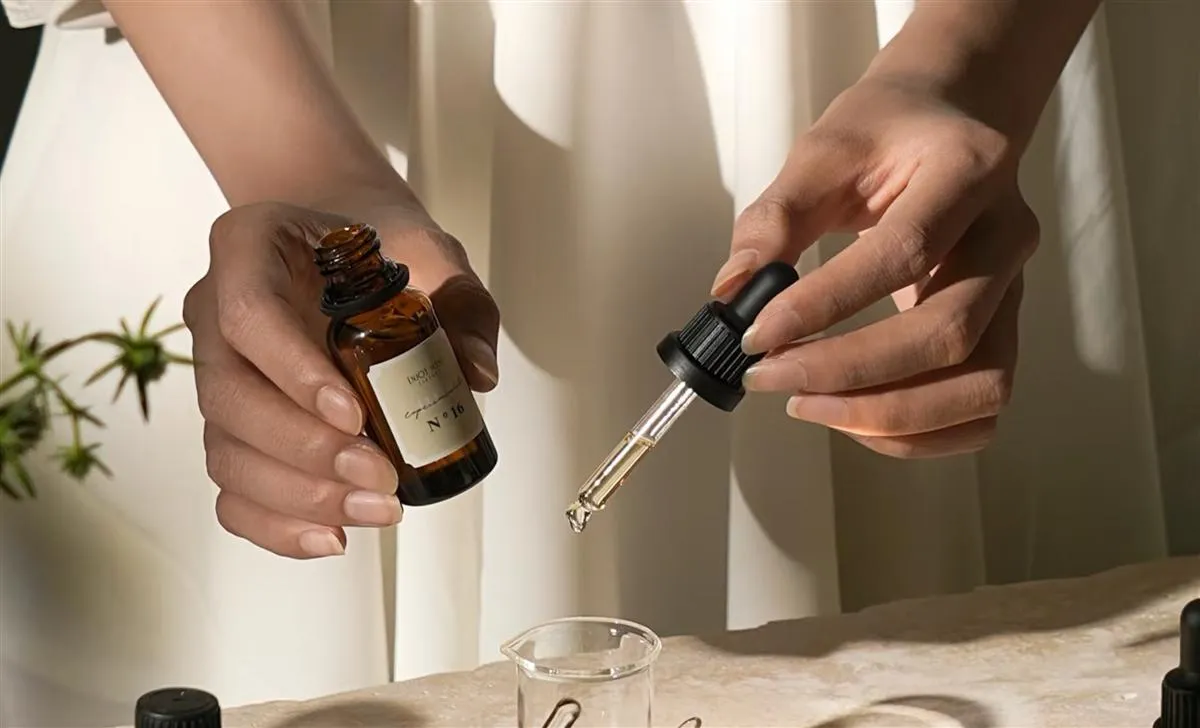
On August 21, 2026, Jing Daily reported that bespoke fragrance is making a comeback in China, in the form of DIY perfume bars where customers blend their own scent from a wall of raw notes instead of buying a finished bottle off a shelf. The piece, Why DIY fragrance is returning to China, frames the trend as a stress test: can personalized, hands-on retail scale into a real business while staying profitable and safe to run, or does it stay a niche experience for a handful of stores in first-tier cities.
The format itself is not new to China. Studios such as SHIBAI (始白调香室), which started in Chongqing, let a customer smell dozens of raw notes, pick two or three favorites, and walk out twenty minutes later with a bottle built from scratch, usually for less than 150 RMB. What is new in 2026 is the scale of the appetite behind it. On Xiaohongshu, posts tagged around fragrance and scent number in the millions, and a joint white paper from Xiaohongshu and Kantar found that 67% of consumers want a scent that reflects their personal character, and 44% want a niche fragrance that expresses a point of view no mass brand can say for them. That is not a rounding error. It is a market telling brands, in plain language, that “your fragrance” now beats “a fragrance.”
Source : Jing Daily, 21 August 2026
What the DIY wave actually changes
Read past the headline and there are two different stories being told at once, and a foreign brand needs to separate them.
The first story is retail theater. A DIY counter inside a mall, a pop-up during a shopping festival, a corner of a flagship store where customers mix three drops of something and post the result on Xiaohongshu. This part is cheap to run, generates content for free, and does not compete with a brand’s core fragrance line. It sells an experience, not a bottle, and most of the beauty groups already running these counters know it.
The second story is a genuine new retail category: independent studios that sell customization as the entire product, not a marketing add-on. This is where Jing Daily’s question about scaling “safely and profitably” actually bites. Raw fragrance materials are regulated. A studio blending on-site for paying customers has to manage allergen disclosure, batch consistency, and, in several cities, cosmetics manufacturing permits that a simple retail counter does not need. China tightened its cosmetics supervision regime years ago precisely because ad hoc mixing and unlicensed small-batch production had become common in beauty. A DIY bar that treats itself as a hobby shop rather than a cosmetics producer is one inspection away from a problem.
The precedent here is the DIY skincare and “raw material” trend that spread on Taobao and Xiaohongshu a few years back, home mixing kits, bulk hyaluronic acid powder, serums blended in a kitchen. Regulators eventually cracked down hard once injuries and complaints piled up. Fragrance DIY has an easier safety profile than skincare mixed against skin barrier function, but the regulatory instinct in China is the same: personalization is welcome, unlicensed manufacturing is not. Anyone building a real business on this trend, not just a photo opportunity, needs to treat it as a licensed activity from day one.
What stays genuinely open is how much of this demand converts into paying for a finished, repeatable product. A one-off blending session is memorable. Whether the same customer reorders that exact blend six months later, at a price that covers real ingredient cost plus a margin, is the part nobody has proven yet at scale.
Where this leaves a foreign fragrance brand
This trend is not universal. A mass fragrance brand selling through Tmall flagship and offline counters does not need a DIY counter to survive 2026. A niche or artisanal fragrance house, or a brand trying to earn attention against Chinese domestic players who move faster on content, has a real opening here, because personalization is exactly the story that plays on Xiaohongshu right now.
The window is not wide. Once three or four international houses run a visible customization format in China, the tactic stops being a differentiator and becomes table stakes, the way scent quizzes and shade-matching tools did in color cosmetics. Realistically, that is a twelve to eighteen month runway before this becomes expected rather than remarkable.
Doing nothing has a cost that is easy to underestimate. It is not that a brand loses sales this quarter. It is that the personalization conversation happens on Xiaohongshu with or without a given brand, and if a foreign house is absent from it, domestic challengers and independent studios own the narrative around “your scent, your identity” by default.
How to actually run this without opening a compliance headache
The mechanism that works does not require opening a physical blending bar in China, which is the expensive and regulation-heavy route. Three steps get most of the value without it.
First, separate content from product. A brand can build a “discover your signature note” quiz, a short video series pairing personality traits with existing SKUs, or a livestream where a perfumer walks through the brand’s notes, all without touching raw ingredients or licensing questions. This captures the personalization narrative using products already cleared for sale.
Second, if a brand wants an actual physical touchpoint, it partners with an existing licensed studio for a pop-up rather than building its own compliance stack from zero. The studio already holds the manufacturing and safety paperwork; the brand supplies its notes and its story. This is the fastest legal path to a real DIY activation.
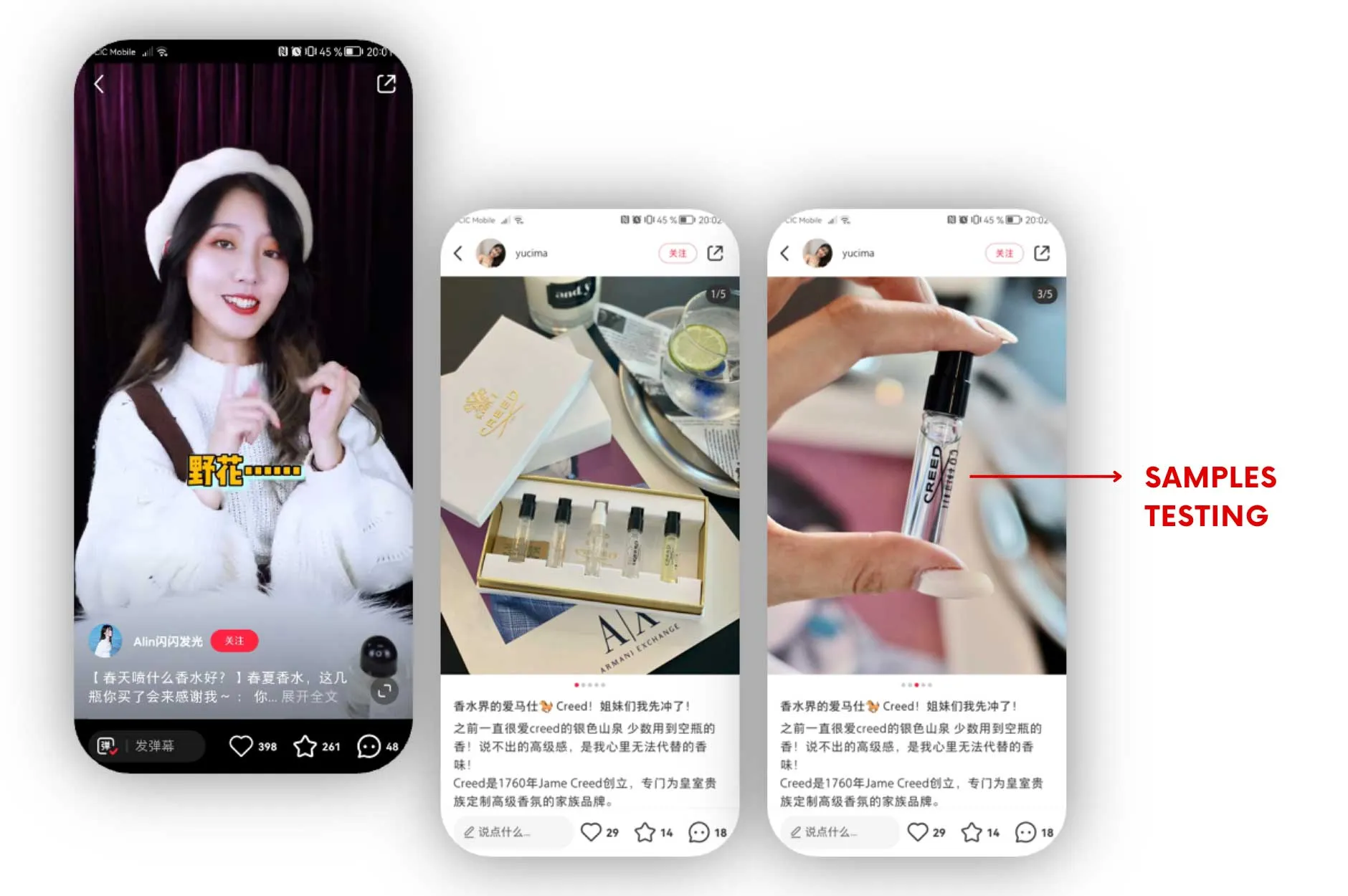
Fragrance sample formats are already one of the fastest-growing entry points into China’s beauty category, and a natural bridge into personalization content.
Third, feed everything back into paid and organic social. A customization campaign only pays off if it is amplified past the people who physically attended, through Xiaohongshu notes, KOC seeding, and retargeting to the audience that engaged with the quiz or the livestream. For a fuller read on where fragrance sits in China’s broader premium beauty market this year, see our China Premium Beauty, Fragrance and Eyewear Market 2026 analysis.
A question worth arguing about
Some in the industry think DIY fragrance is a fad that fades once the novelty of Xiaohongshu content wears off, no different from the whipped-coffee or bubble-tea customization crazes that peaked and disappeared within a year. Others think it marks a permanent shift, that a generation raised on customizing everything from sneakers to skincare simply will not go back to buying a fragrance nobody else had a hand in choosing for them. Which side are you on, and would you actually put marketing budget behind it this year?