Chinese beauty consumers Who buys and why
Exploring China Cosmetics Market Demographics: Age, Gender, And Lifestyle Trends
6 min read
On this page
- China’s Cosmetics Market Demographics
- Women Under 40 As The Largest Consumer Group
- Influence Of Gen-Z And Millennial Consumers
- Attitudes Towards Sustainability And Wellness
- Age, Gender, And Lifestyle Trends
- Younger Generation Driving Growth
- The Rise Of Male Consumers
- The 40+ Consumer: Underserved And Growing
- Ingredient Trends Shaping Purchase Decisions
- AI And Digital Discovery
- What This Means For Your China Strategy
I get the same question every time: who is actually buying? The answer has shifted a lot. In 2026, the Chinese cosmetics market exceeds $75 billion. But the demographics driving that growth are more segmented than ever. Knowing the age, gender, and lifestyle profile of your customer is not optional. It is the difference between selling and not.
In this post, I break down who is buying, what they care about in 2026, and how platforms like Douyin, Xiaohongshu, and Tmall have changed the rules for brands entering this market.
China’s Cosmetics Market Demographics
Women under 40 are the largest consumer group in China’s cosmetics market, with Gen-Z and millennial consumers greatly influencing trends and attitudes towards sustainability and wellness. But in 2026, the picture is more complex. Male buyers are growing fast, and the 40+ segment is underserved by most brands.
Women Under 40 As The Largest Consumer Group
Women under 40 are still the main buyers in China’s cosmetics market. They push fashion and beauty brands to create products for their specific needs. These shoppers use social media to engage with cosmetic brands, with 61% following or visiting brands on platforms like Weibo and Xiaohongshu.
On Xiaohongshu alone, over 300 million users browse beauty content monthly in 2026. The platform has become the primary research tool before purchase. A brand without a strong Xiaohongshu marketing presence is invisible to this audience.
To succeed in China’s e-commerce market, fashion brands must use digital channels to build online sales and visibility. A Tmall store alone is not enough. You need content on XHS, short videos on Douyin, and a community that keeps users engaged between purchases. I’ve seen brands launch with excellent products but zero social presence, and they go nowhere.
Influence Of Gen-Z And Millennial Consumers
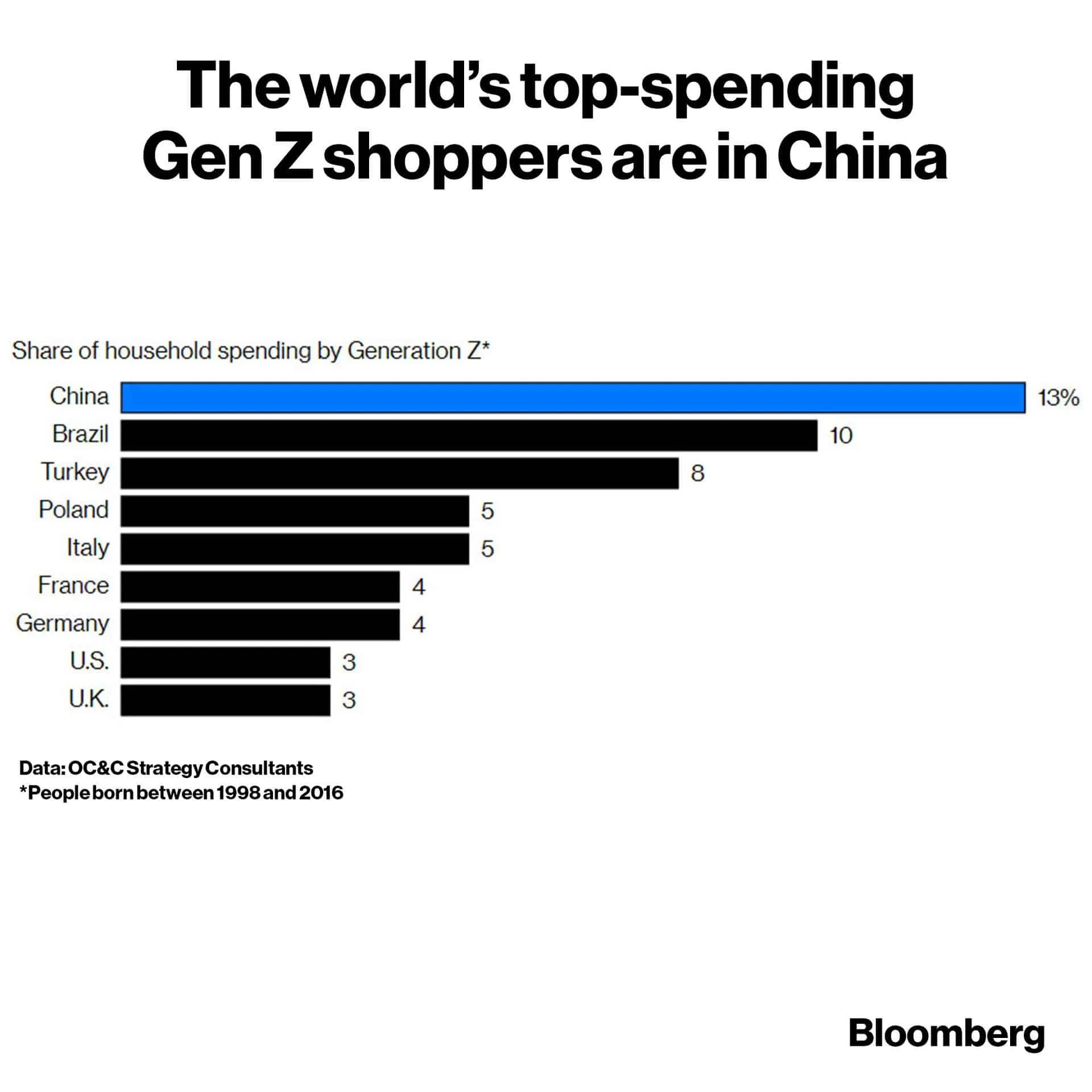
Gen-Z and millennial consumers are highly influential in China’s cosmetics market. They are digitally native and changing consumption patterns. 51% of Gen-Z consider official social media accounts of consumer brands as a top source of influence.
Chinese millennials often prioritize skincare solutions over color cosmetics, showing an increasing demand for high-quality products that address their specific needs. They research ingredients. They read reviews. They watch dermatologists on Douyin before making a purchase decision.
Gen-Z in China prefers brands that promote self-care and are expanding into male-focused categories. Inclusivity is not a trend here. It is a baseline expectation for any brand that wants to grow. In 2026, I see Gen-Z shoppers starting their beauty discovery on Douyin’s recommendation feed. The algorithm shows them products before they even know they want them. Brands that invest in short-video content and work with micro-KOLs are the ones capturing this audience first.
Attitudes Towards Sustainability And Wellness
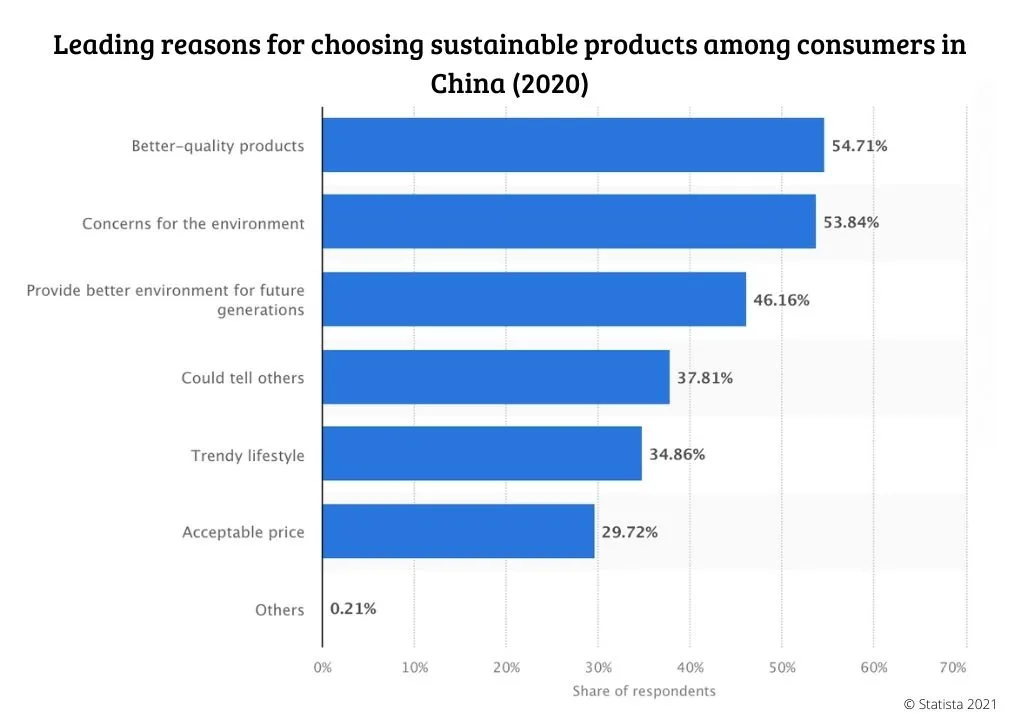
Environmental concern shapes buying decisions in China’s cosmetics market, especially among Gen-Z and millennial shoppers who drive consumption growth. Their judgment goes beyond product performance. They evaluate brand values, packaging waste, and ingredient sourcing.
In 2026, clean beauty is not just a label. Chinese consumers check ingredient lists on XHS review posts. Brands that use plant-based actives, reduce animal-testing dependencies, and promote refillable packaging see stronger retention.
Age, Gender, And Lifestyle Trends
Younger generations are driving growth in China’s cosmetics market, with female Gen-Z and millennial consumers forming the largest consumer group. But there is also a notable rise in male consumers and a growing 40+ segment that most international brands still underestimate.
Younger Generation Driving Growth
Young women under 35 are still the key growth driver. They spend more per order than older groups, and they discover brands on Douyin and XHS before going to Tmall to complete the purchase. The path to purchase in 2026 is clear: short-video discovery on Douyin, review validation on XHS, then conversion on Tmall. Brands absent from any step in that chain lose sales to brands that are not.
The Rise Of Male Consumers
Male grooming is no longer a niche. Between 2023 and 2026, the men’s skincare category in China grew at nearly twice the rate of women’s skincare. Young urban males in Shanghai, Beijing, and Chengdu invest in moisturizers, serums, and tinted products. Douyin actively promotes male beauty content, and the algorithm rewards it.
Brands that package male products with distinct messaging consistently outperform those that simply add “for men” to an existing SKU.
The 40+ Consumer: Underserved And Growing
The 40+ female consumer is often ignored by international brands. That is a strategic mistake. This group has real disposable income and lower price sensitivity than younger buyers. They look for anti-aging actives, products that address hormonal skin changes, and premium formulations that deliver visible results. They trust KOLs who look and speak like them. Brands that reach this demographic through Douyin livestreams and targeted XHS content are finding strong returns on investment with far less competition than in younger segments.
Ingredient Trends Shaping Purchase Decisions
Ingredients matter more than ever. Chinese consumers research before they buy, often spending more time reading XHS posts about a formula than looking at the brand’s official page. The most searched skincare ingredients on XHS in 2025 and 2026 include:
- Retinol and bakuchiol (anti-aging, strong growth)
- Niacinamide (brightening, pore minimizing)
- Centella Asiatica (calming, barrier repair)
- Hyaluronic acid (hydration, still dominant)
- Collagen peptides (new growth category, especially 40+ segment)
Brands that lead with ingredient storytelling, explain what a formula does in plain terms, and back it with before-and-after content on XHS convert better than brands that rely on packaging alone. Price matters less when the consumer understands what they are paying for.
AI And Digital Discovery
Douyin’s recommendation engine now drives a significant share of beauty product discovery. A user who watches one skincare tutorial gets served an entire feed of related content. Brands that publish consistently on Douyin, even with modest budgets, get picked up by the algorithm and reach audiences that paid ads alone would not reach. Investing in Douyin advertising alongside organic content gives brands the best of both: algorithmic reach and controlled targeting.
On XHS, AI-powered search has changed how users find products. Keyword optimization in XHS posts is now as important as traditional SEO. Brands should treat XHS like a search engine, not just a social platform. The content that ranks in XHS search drives purchase decisions days or weeks later on Tmall.
Tmall’s personalization tools push relevant products to users based on browsing and purchase history. Brands that optimize their store content, A+ pages, and product titles for search intent see measurable gains in organic traffic without increasing ad spend.
What This Means For Your China Strategy
The Chinese cosmetics consumer in 2026 is informed, platform-savvy, and segment-specific. A brand targeting Gen-Z women on XHS needs a completely different approach from one targeting male consumers on Douyin or 40+ women via livestream. There is no single playbook that works across all demographics.
Here is what I focus on:
- Audience clarity first: age, gender, skin concern, lifestyle, income bracket
- Discovery channel match: Douyin for broad reach, XHS for trust and research, Tmall for conversion
- Ingredient storytelling: Chinese consumers read labels and reviews before they buy
- KOL tier strategy: macro-KOLs for awareness, micro-KOLs for conversion and credibility
- Male and 40+ segments: underserved, high-value, growing fast
Brands that get these five elements aligned consistently outperform those chasing platform trends without an audience foundation. I’ve seen it happen dozens of times. The market rewards preparation.