China beauty market Trade shows
How To Successfully Participate In China’s Beauty Expos And Trade Shows
7 min read
On this page
- Overview Of The Chinese Cosmetics Market
- Consumer Behavior: What Is Driving Purchases
- Importance Of Understanding The Cultural And Regulatory Context
- Preparation For China’s Beauty Expos And Trade Shows
- Research And Choose The Right Event
- Build Your Digital Presence Before The Expo
- Localize Your Booth And Marketing Materials
- Working With Local Partners And Distributors
- After The Expo: Convert Interest Into Revenue
- What Has Changed: Key Trends To Know
To tap into China’s booming beauty industry, participate in local expos and trade shows. These events attract professional buyers and offer a chance to present your products directly to the market. But success requires more than showing up. You need a solid strategy, strong relationships with local partners, and a real understanding of how Chinese consumers discover and buy beauty products in 2026.
In that time, I’ve seen brands win big at China Beauty Expo and others waste their entire budget on a booth nobody remembered. The difference is always preparation and local relevance. Let me walk you through what actually works.
Overview Of The Chinese Cosmetics Market
China’s cosmetics market is one of the most attractive in the world. In 2026, it is worth over $90 billion USD and growing at around 8 to 10% annually. China ranks second globally in beauty consumption, and that position keeps strengthening. Skincare still dominates, but makeup, men’s grooming, and premium fragrance are all gaining ground fast.
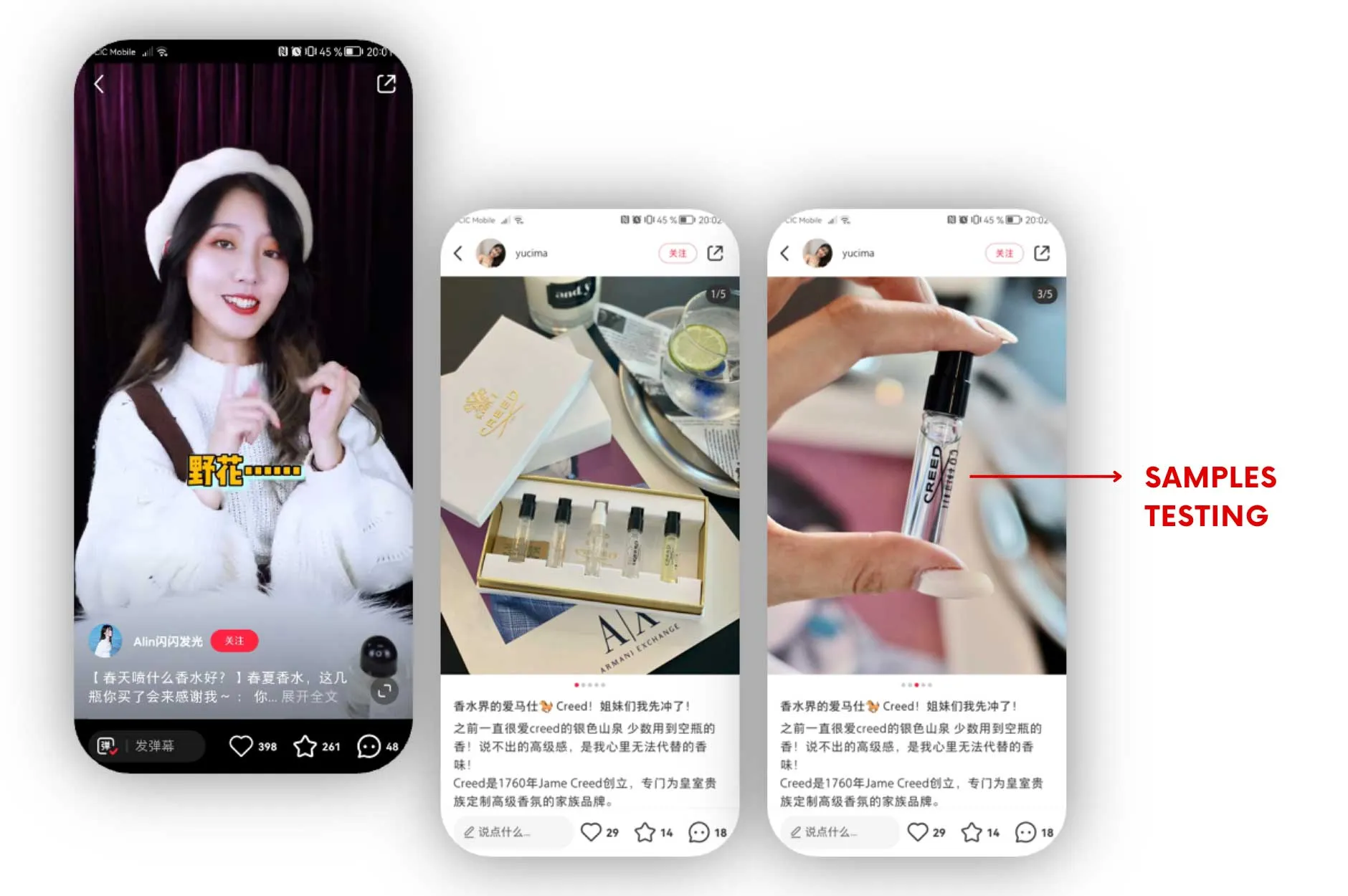
What changed most in the last two years is how consumers discover products. Douyin and Xiaohongshu are now the primary discovery channels for beauty. A brand that performs well at a trade show but has no presence on these platforms will not convert expo interest into real sales. The two go hand in hand. Participating in beauty expos such as the China Beauty Expo can build brand presence and connections with local and international buyers, but you need to pair it with digital strategy.
Consumer Behavior: What Is Driving Purchases
Chinese beauty consumers in 2026 are more informed than ever. The “成份党” movement, the ingredient-conscious consumer group, is now mainstream. Buyers at expos will ask you about active ingredient concentrations, clinical trial data, and NMPA registration status. This is not a niche group anymore. It is the majority of urban consumers aged 22 to 40.
Trending ingredients in 2026 include niacinamide, retinol, peptides, and traditional Chinese medicine botanicals like ginseng, snow lotus, and tremella mushroom. Brands that combine Western scientific credibility with TCM-inspired ingredients are performing very well. I’ve seen French skincare brands reformulate with Chinese botanical ingredients specifically for this market, and it worked.
AI skin analysis tools are also changing how consumers engage with brands at expos. More booths now offer AI-powered skin diagnosis on-site. Consumers expect personalized recommendations, not generic product pitches. If you can offer a real-time skin scan linked to specific products in your range, you will get more booth traffic and better quality leads.
Importance Of Understanding The Cultural And Regulatory Context
To succeed in China’s beauty expos and trade shows, you must understand the cultural and regulatory context. This helps you tailor your approach to local preferences and avoid compliance issues that can derail your entire China entry.
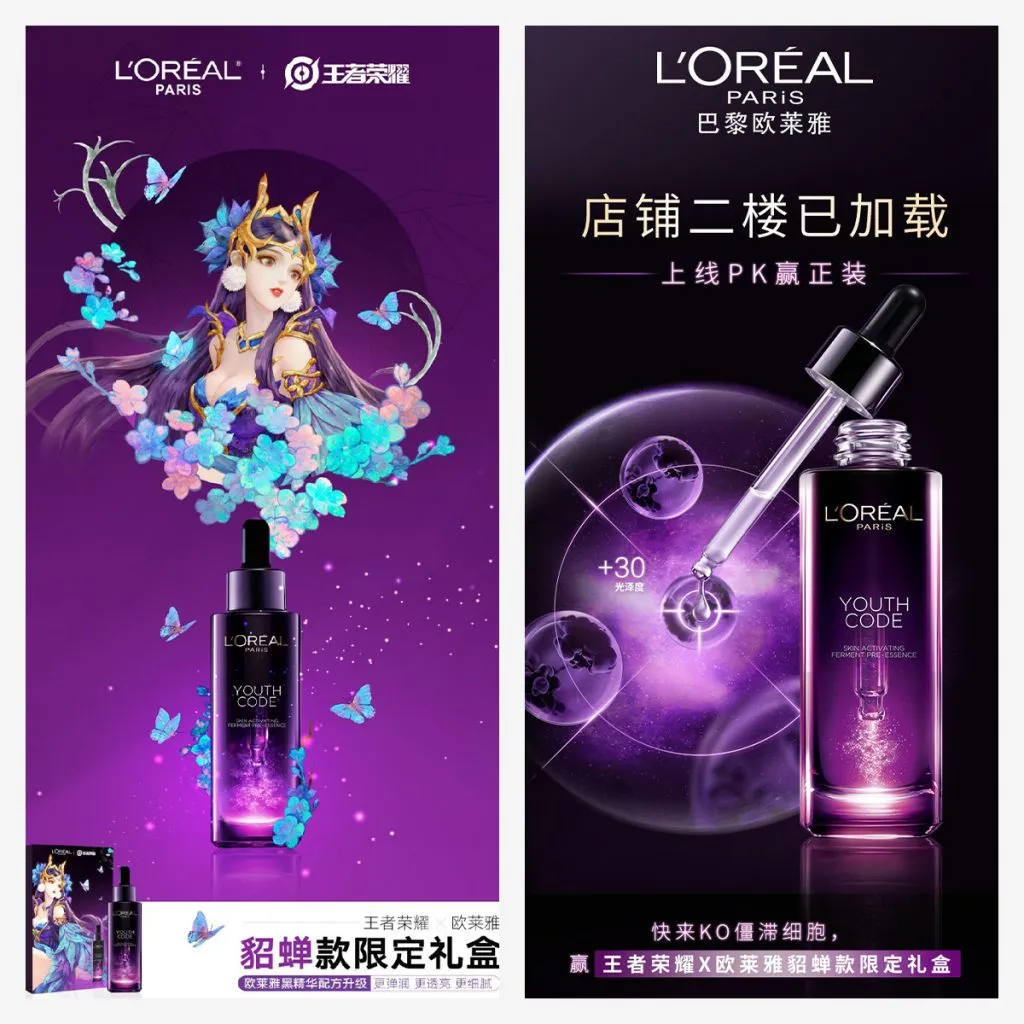
L’Oréal China is a good example of a brand that has effectively integrated into local culture. They localize not just products but their entire communication strategy. Collaborating with local partners and legal counsel can also ensure you meet all necessary certifications and requirements. NMPA registration is non-negotiable for products sold in China. At expos, buyers will ask for your registration status immediately. Come prepared with your registration roadmap even if it is still in progress.
Preparation For China’s Beauty Expos And Trade Shows
Before participating in a beauty expo or trade show in China, do extensive research and preparation. This includes understanding your target audience, cultural differences, logistics planning, and developing a localized marketing strategy. Brands that skip this phase consistently underperform.
Research And Choose The Right Event
When planning to participate in China’s beauty expos and trade shows, research and carefully choose the right event. Not all expos are equal. Some are pure retail consumer events. Others attract serious B2B buyers, distributors, and retail chain buyers. Know which you need before you sign the booth contract.
The major events worth knowing in 2026:
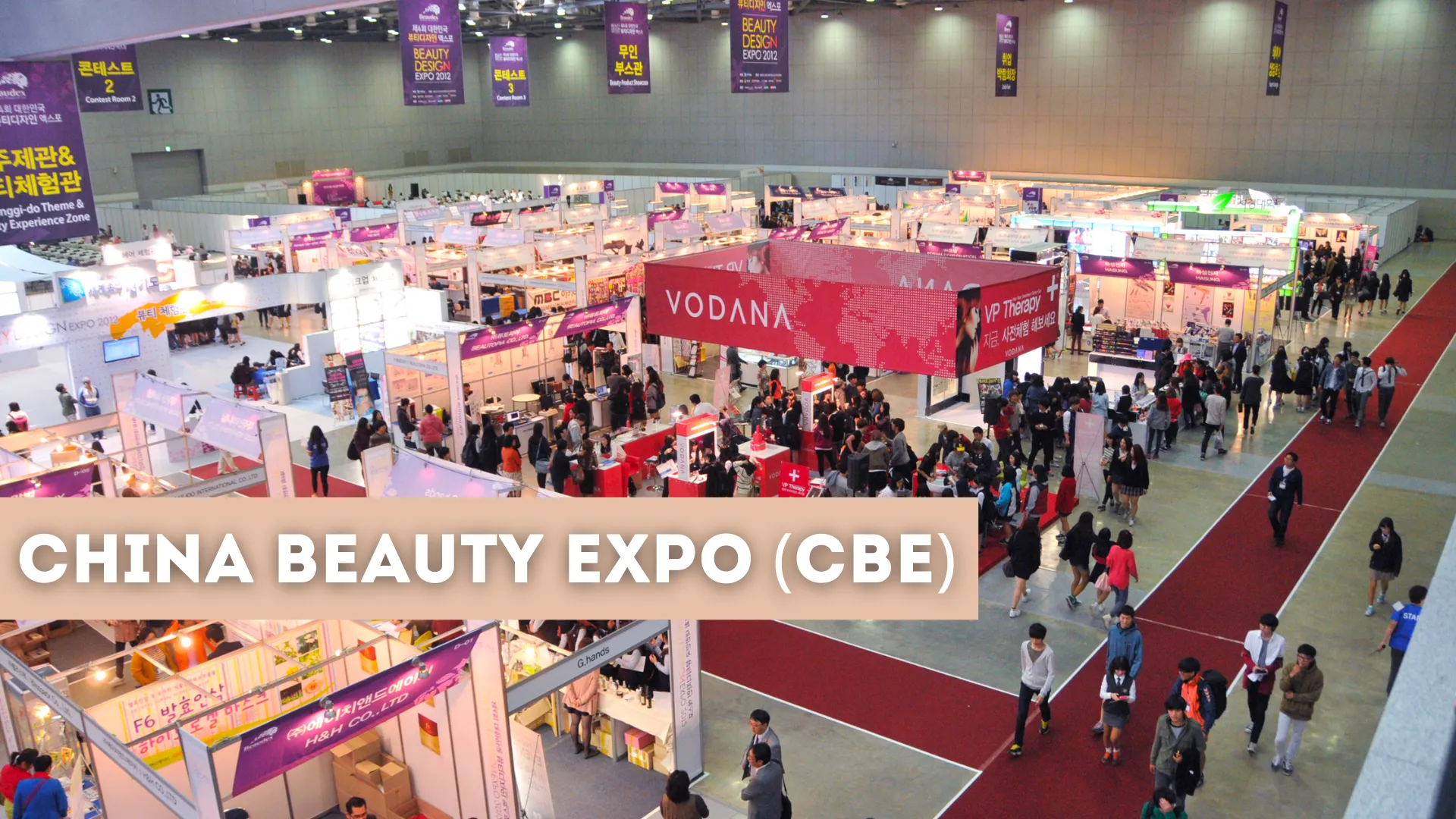
- China Beauty Expo (CBE), Shanghai, May – the largest beauty trade show in Asia. Over 3,000 exhibitors and 250,000 visitors. Mix of B2B and B2C. Essential if you want scale.
- PCHi (Personal Care and Home Ingredients), Guangzhou, February – focused on ingredients and formulation. Good for brands that want to pitch to OEM manufacturers and R&D teams.
- Cosmoprof Asia, Hong Kong, November – strong international brand presence, good for first-time market entrants who want a softer China introduction.
- Kunming International Beauty Expo – attracts a large number of health-conscious consumers. Worth it if you specialize in organic or clean beauty products.
Do market research on industry trends and what competitors are presenting at similar expos. This will help you stand out and offer something unique that appeals to potential buyers or distributors.
Build Your Digital Presence Before The Expo
This is the step most foreign brands miss. In 2026, any serious Chinese buyer will check your Xiaohongshu and Douyin presence before agreeing to meet. If they search your brand name and find nothing, you lose credibility immediately.
Three to six months before the expo, start building your brand on Chinese platforms. Post consistently on Xiaohongshu with ingredient education content and product demonstrations. Run a few Douyin campaigns with KOLs in your category. Even a modest following shows buyers that you are serious about the market. At the expo itself, use QR codes to direct visitors to your Xiaohongshu account. Have a WeChat business account ready for immediate contact exchange. Chinese business networking runs on WeChat, not email.
Localize Your Booth And Marketing Materials
Chinese is mandatory. All booth materials, product packaging samples, brochures, and presentations must be in Mandarin. Not a rough translation. Proper, localized copy that speaks to Chinese consumer priorities: skin clarity, anti-aging, hydration, and ingredient transparency.
Your booth design matters. Minimalist and high-end works well in Shanghai. Bright, photo-friendly designs perform better at consumer-facing events. Build a space where visitors want to take photos for Xiaohongshu. Social media shareability is part of your expo ROI in 2026.
Working With Local Partners And Distributors
At most China beauty expos, the most valuable conversations happen with distributors, not end consumers. These are the people who can get your products into Watsons, Sephora China, or onto Tmall and JD. Know your ideal distribution profile before you arrive.
I’ve seen brands go to CBE with no clear offer for distributors and leave with nothing but business cards. Come prepared with your margin structure, minimum order quantities, exclusivity terms, and registration status. Distributors are professional buyers. Treat them that way.
If you want to sell through e-commerce, have a clear plan for your Douyin advertising and Tmall strategy ready to share. Distributors increasingly want to know that the brand will invest in marketing alongside them. A brand with no digital marketing plan is a hard sell to any serious Chinese partner.
After The Expo: Convert Interest Into Revenue
The work does not stop when the expo closes. Follow up within 48 hours on WeChat. Send a short message referencing your specific conversation, not a generic template. Attach your product catalog and pricing in Chinese.
For leads that showed strong interest, set up a video call within two weeks. Have someone on your team who speaks Mandarin, or hire an interpreter. Most mid-size Chinese distributors do not operate in English. Expecting them to accommodate your language is a mistake I’ve seen too many brands make.
Track every lead and rate their potential. Some contacts at expos are researchers, students, or competitors. Focus your follow-up on verified buyers and distributors. Quality over quantity.
What Has Changed: Key Trends To Know
Several shifts define the 2026 China beauty expo environment.
AI skin analysis at booths is now standard at major brand pavilions. If you do not have it, partner with a Chinese tech company that offers this as a service. The investment pays off in lead quality.
Live streaming from the expo floor has become a real acquisition channel. Some brands set up a mini live-streaming studio inside their booth and broadcast directly to Douyin or Taobao Live during the event. This turns a B2B event into a consumer-facing moment at the same time.
Domestic Chinese brands are stronger than ever. Brands like Proya, Florasis, and Winona have strong expo presences and loyal consumer followings. As a foreign brand, your differentiation must be clear: clinical proof, a unique origin story, ingredients not available in domestic formulas, or genuine heritage. Generic luxury positioning no longer closes deals the way it used to.
Green beauty and sustainability are becoming relevant, especially with younger buyers. It is not the primary purchase driver yet, but it is a positive signal. If you have clean formulation credentials or sustainable packaging, mention it.