Brand analyses Brands by country of origin
Japanese Cosmetics in China: Strategy and Platforms
6 min read
On this page
- Introduction to China Cosmetics & Beauty Market
- How tech innovations shaped the cosmetics market in China
- Why China remains a strong market for foreign cosmetics brands
- The Japanese Cosmetics Industry in China
- Japan’s popularity among Chinese consumers
- Why Chinese consumers choose Japanese cosmetics
- How to sell your Japanese cosmetics products in China
- Physical stores remain relevant
- How to promote your Japanese Cosmetics in China
- Xiaohongshu: the primary discovery channel for J-beauty
- WeChat Official Account
- Douyin short video and live-streaming
- KOL and KOC partnerships
- Baidu SEO and Chinese website
- SK-II in China: How the Benchmark Has Evolved
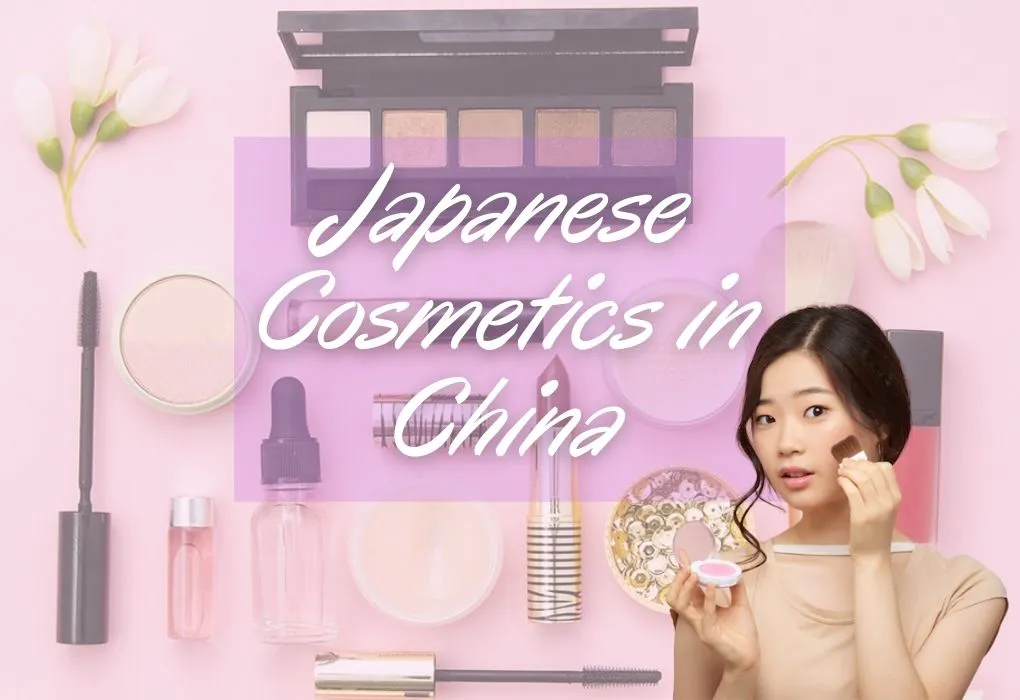
China’s cosmetics market has grown fast. Japanese brands have followed, and in 2026, they hold some of the strongest positions in the market. But the rules of entry have changed. Chinese consumers are more demanding, more informed, and harder to reach through traditional channels. Here is what your brand needs to know.
Introduction to China Cosmetics & Beauty Market
Growth continues in 2026, driven by a younger consumer base that shops online, researches ingredients before buying, and trusts peer reviews over advertising.
Male grooming has become a serious category. Men aged 18-35 now account for over 20% of skincare purchases on Tmall. Premium skincare, sun care, and anti-aging products are the fastest-growing segments. Foreign brands still command strong pricing power, but only if they have visible Chinese-language content and a clear digital presence.
How tech innovations shaped the cosmetics market in China
Since 2020, China’s digital commerce infrastructure has matured into something foreign brands cannot ignore. Live-streaming commerce, short video product discovery, and AI-driven recommendations have replaced banner ads and search-only strategies. Your brand needs to operate across multiple channels simultaneously. Showing up only on one platform is not enough.
Why China remains a strong market for foreign cosmetics brands
Chinese consumers associate foreign brands with stricter quality controls. This remains true in 2026. Japanese brands benefit from this perception, plus a genuine cultural affinity. But the market has become more competitive. Domestic brands like Proya and Winona have grown fast by copying Japanese ingredient strategies and pricing below foreign competitors. Your differentiation must be specific and defensible.
The Japanese Cosmetics Industry in China
Japan’s popularity among Chinese consumers
Japan remains the top source country for cosmetics imports into China. Chinese tourists returning from Japan continue to buy J-beauty products in volume. Cross-border e-commerce (CBEC) has made it easier for consumers to access Japanese products that are not officially registered in China. Platforms like Tmall Global and JD Worldwide serve this demand directly.
Cultural proximity still plays a role. Manga, J-dramas, and Japanese aesthetics remain popular. But in 2026, the bigger driver is functional trust: Chinese consumers believe Japanese formulations work, especially for sensitive skin, whitening, and anti-pollution protection.
Why Chinese consumers choose Japanese cosmetics
Japanese cosmetics are bought for specific reasons. The formulations are gentle. The packaging is precise. The ingredient lists are clean. In a market where Chinese consumers now check every label, Japanese brands win on this axis more than almost any other origin.
Korean brands have lost ground since 2022 due to THAAD-related sentiment and quality perception issues. European luxury brands compete at a higher price point. Japanese brands occupy the sweet spot: trusted quality at a premium but accessible price.
Key product categories that resonate with Chinese consumers remain the same as five years ago, but the expectations have risen:
- Oil-control and pore-tightening products for combination skin types common in humid Chinese cities
- Whitening and brightening formulations with proven active ingredients
- Cosmeceutical products combining dermatology and cosmetics, a category that reached 18 billion yuan in 2025
- Sunscreen, where Japanese brands dominate consumer preference on Xiaohongshu
How to sell your Japanese cosmetics products in China
The fundamentals have not changed, but the execution has. Your brand needs a Tmall flagship, a Douyin Shop, and an XHS shop. It needs Chinese-language content that explains your ingredients. It needs KOC partnerships that generate authentic reviews. And it needs a long-term SEO and GEO strategy so that both search engines and AI assistants can find and recommend your products.
Physical stores remain relevant
High-end Japanese brands still benefit from physical retail in China. Shiseido, SK-II, and Kosé maintain strong counters in Sephora and premium department stores. Physical presence builds trust and allows consumers to try products before committing online. But physical retail without digital support does not work. Your store traffic comes from your online reputation. Invest online first, then use physical retail to reinforce the brand experience.
How to promote your Japanese Cosmetics in China
Xiaohongshu: the primary discovery channel for J-beauty
For Japanese cosmetics specifically, XHS is the most important marketing channel in 2026. Chinese women research Japanese skincare on XHS before they buy anywhere. Your brand needs a consistent posting strategy: ingredient explainers, before/after results, honest reviews from real users, and KOC content that compares your products favorably.
WeChat Official Account
WeChat remains essential for retention and community. After a consumer buys your product, WeChat is where you keep them. Use it for ingredient education, new product launches, loyalty programs, and customer service. Your WeChat content also feeds AI recommendation systems, which makes it a channel with two purposes now.
Douyin short video and live-streaming
Japanese cosmetics brands that run regular Douyin live sessions with experienced Chinese hosts see strong repeat purchase rates. The format works because it allows real-time ingredient questions, live demonstration, and immediate purchase. Your Douyin advertising strategy should combine short educational videos with scheduled live commerce events.
KOL and KOC partnerships
Big celebrity endorsements still work for brand awareness at scale. But for Japanese cosmetics, micro-KOCs who specialize in skincare ingredients drive more conversion per yuan spent. A KOC with 50,000 XHS followers who writes detailed ingredient breakdowns will outperform a macro-KOL with 2 million followers who posts a generic product shot. Build a roster of 20-30 specialist KOCs and keep them engaged.
Baidu SEO and Chinese website
Your Mandarin-language website and Baidu SEO remain important, but the priority has shifted. In 2026, consumers often discover brands on XHS or Douyin first, then search on Baidu to verify legitimacy. Your Baidu presence needs to confirm what they already think they know about your brand. A clean, fast Chinese website with strong ingredient content and clear brand positioning does this job.
SK-II in China: How the Benchmark Has Evolved
SK-II remains the most recognized Japanese cosmetics brand in China. But even SK-II has had to adapt. After a 2023 controversy around product returns and customer service, the brand rebuilt its Chinese digital presence with more transparent ingredient communication and a stronger KOC program on XHS.
The lesson for smaller Japanese brands is clear: trust is fragile in China. Chinese consumers expect ingredient transparency, honest reviews, and responsive customer service. SK-II’s recovery shows that brands can rebuild, but prevention is cheaper than repair. Build your Chinese reputation on real product performance and clear communication from the start.
SK-II’s 2025 Pitera storytelling campaign on WeChat and Douyin drove strong results by focusing on the science behind the ingredient rather than just aspirational imagery. Chinese consumers responded because they already knew the ingredient. The campaign educated them on the concentration and process, which reinforced the premium price point.
The Japanese cosmetics opportunity in China is real and it is still growing. But the market rewards brands that execute correctly: right platforms, right content, right ingredient communication, right AI presence. Brands that show up halfway lose ground to those who commit fully.
You need a clear plan for Tmall, Douyin Shop, and XHS. You need Chinese-language ingredient content that both consumers and AI systems can use. You need KOC partnerships that generate authentic reviews at scale. And you need to track what is working and adjust fast.