Fragrance Market in China: How to Launch Your Perfume Brand
3 min read
On this page
China’s Fragrance Market: What You Need to Know
Perfume has been part of Chinese culture for centuries. Today, it is one of the fastest-growing segments in China’s beauty industry. The Chinese fragrance market exceeded 28 billion RMB in 2025, driven by rising incomes, younger consumers, and a shift from gifting to personal use. If you sell fragrance and you are not in China, you are leaving money on the table.
Chinese fragrance buyers prefer foreign brands over domestic ones. That is your opportunity. But the window does not stay open forever. Competitors are moving. Your brand needs to move faster.
Perfume Has a Long History in China
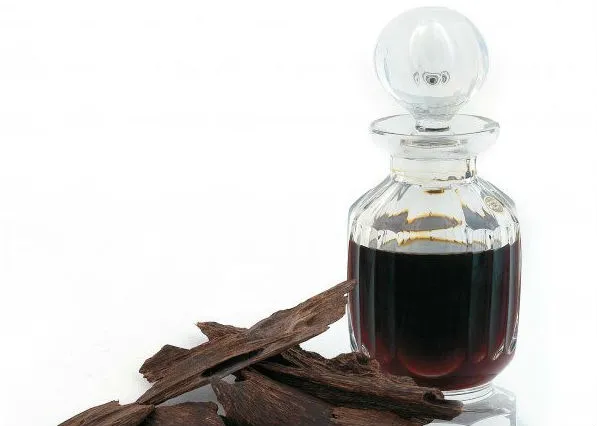
Perfume has been used in China since ancient times. During the Han dynasty (202 BC to 220 AD), incense was used for healing and meditation. Fragrances came from flowers, balsam, and fragrant plants. Personal scents became popular among the ruling classes, worn after bathing to improve health.
The Chinese have long believed certain fragrances bring good luck, fortune, or a romantic mood. That belief still shapes buying behavior today. A perfume gifted during Spring Festival carries symbolic weight far beyond its price tag.
Until recently, perfume was a luxury reserved for the wealthy. That has changed. Today, many Chinese consumers own multiple bottles of luxury fragrance. The category has gone mainstream, and it is accelerating.
Changes in Chinese Attitudes Toward Fragrance
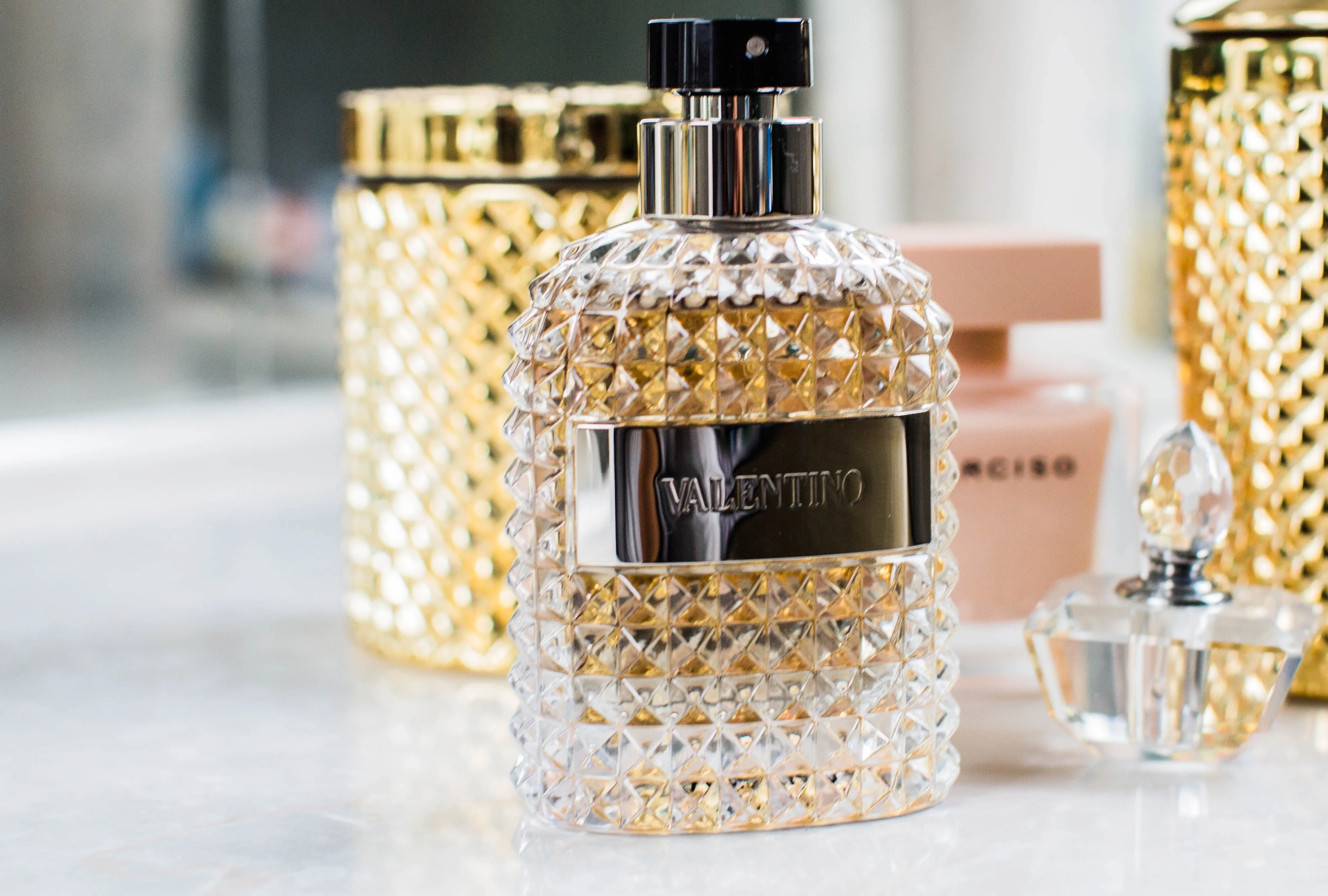
Chinese consumers are traveling more. They discover new scents abroad and bring them home. The gifting habit is strong: a premium fragrance in a beautiful bottle is one of the most accepted luxury gifts in China. The bottle matters as much as the scent inside.
But personal use is growing faster than gifting. Chinese consumers care about personal image. Rising disposable income means they spend more on products that express who they are. Fragrance is one of those products.
The unit price in China is higher than in most other markets. Chinese consumers do not buy cheap. They buy premium, and they expect premium packaging, premium experience, and a brand story that justifies the price.
Commercial or Niche Fragrances?
Commercial fragrances from Dior, Chanel, and Armani still dominate in volume. They are perceived as luxury goods and carry instant recognition. For a new entrant, competing head-to-head with these brands on recognition alone is not a strategy. It is a mistake.
Younger Chinese consumers are moving toward niche. The phrase in China is well known: “It is better to run into someone with the same clothes than with the same scent.” Gen Z and millennials want a fragrance that no one else is wearing. Niche brands that are hard to find, unusual in composition, and authentic in storytelling are winning this segment.
The demand is shifting toward woody, maritime, herbal, and oriental niche fragrances. Brands that offer something genuinely different from the commercial mainstream have a real opening in 2026.
Young Consumers Are Driving the Market
Gen Z and millennials are the engine of China’s fragrance growth. They research before they buy. They discover on Xiaohongshu, evaluate on Douyin, and purchase on Tmall. They want customization: choose the base note, the bottle shape, the packaging. Brands offering personalization over 350 scent profiles see stronger repeat purchase rates.
These consumers do not respond to traditional advertising. They respond to community, to credibility, and to other consumers who look like them.
What Luxury Perfume Brands Do in China to Succeed
Diptyque linked ice cream flavors with fragrance in-store events. Jo Malone London partnered with hotels for afternoon teas. These are not marketing stunts. They are brand education. They teach Chinese consumers how to feel about a scent before they buy it.
Product localization is not optional. The scent profiles that sell in Paris do not automatically sell in Shanghai. The brands that win in China adapt. The ones that ship the same product with a Chinese label and hope for the best fail.