On this page
The Chinese perfume market is booming. Rising disposable income and increasingly sophisticated consumers are reshaping the industry. CAI Xingu owns a hundred bottles of perfume. The Shanghai business proprietor’s collection was once twice as large, but he downsized before returning home from the Netherlands.
Fragrances in China
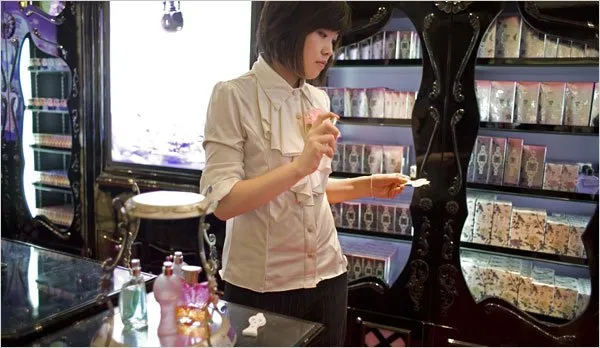
CAI, together with business partner and fragrance critic Track Yuan, shares his passion with new perfume clients through a boutique called Minority, located in Shanghai’s M50 art district. He is among the first independent operators in China’s fast-growing fragrance market.
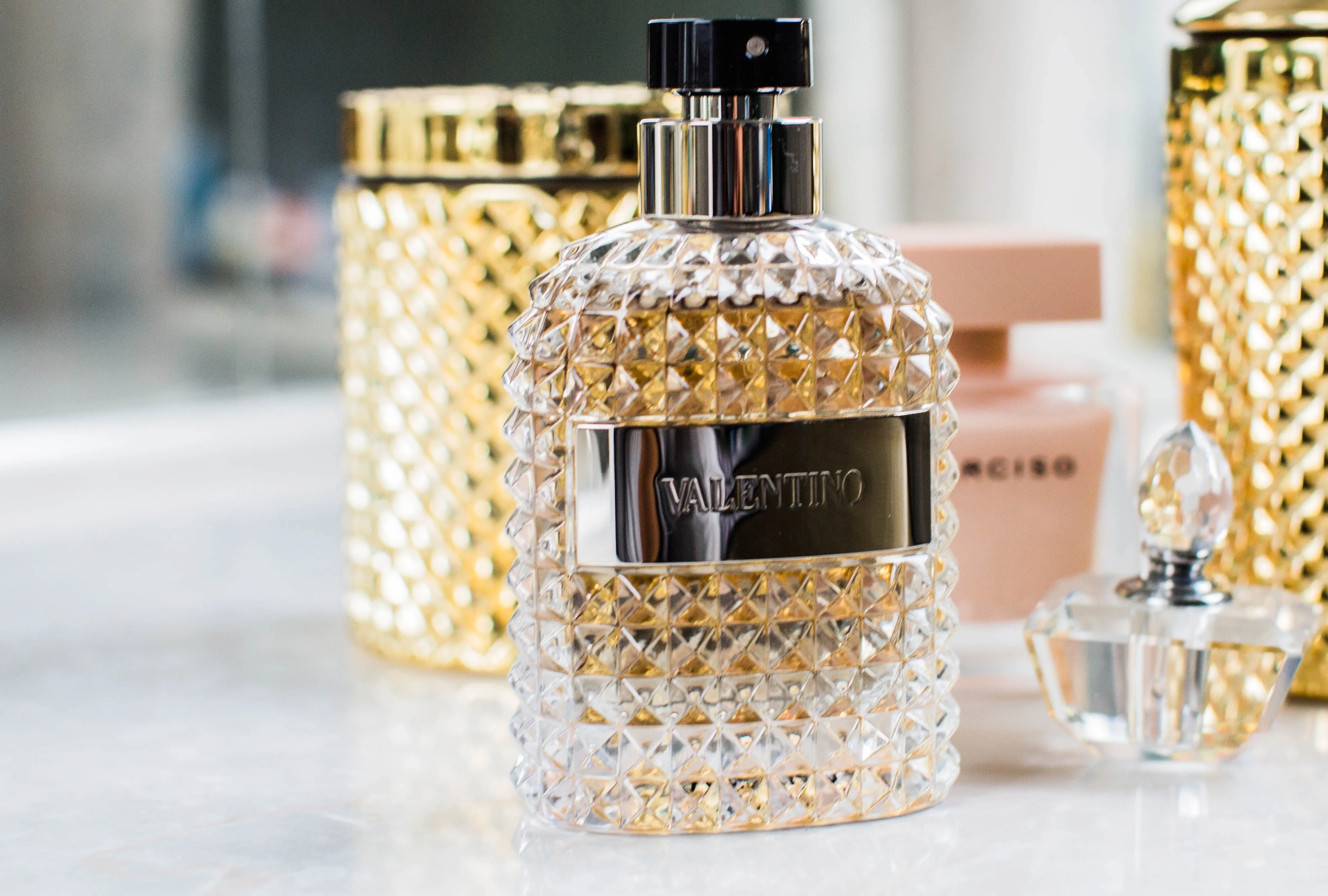
Minority stocks more than fifteen independent perfume brands. Bottles sit on traditional wooden shelving, with select pieces displayed under glass-domed cake platters. CAI gives customers an authentic experience by connecting them to the fragrance culture of 20th-century Paris. He asks them whether a scent like Zurich Lang NY or French house Liquides Imaginaires fits their personal identity.
CAI is not alone in educating his customers about fragrances. This approach is what is driving growth across the category. By 2025, the Chinese fragrance market exceeded USD 5 billion in retail value, up from under USD 2 billion in 2017, according to industry estimates. Analysts project continued annual growth of 8 to 10 percent through 2028, driven by younger urban consumers.
Niche and Prestige Brands Are Leading
To attract Chinese shoppers, French perfumer Diptyque has paired ice cream flavors with fragrances at in-store events. Jo Malone London partners with hotels for afternoon teas. These activations work. Shoppers increasingly choose niche and prestige brands over mass-market options.
This shift reflects a broader change in how Chinese millennial and Gen Z consumers think. “They have a clear point of view on their lifestyle,” CAI explains. “They are not just focused on brand names and price. They look for products that are high quality, exclusive, and personal.”
That is exactly what Beijing-based fashion graduate Starry Xian had in mind when he bought a 30ml bottle of Maison Margiela’s “Untitled” perfume in London, his first bottle to run out completely. He was drawn to its woody scent.
“I started using fragrances in high school when I began reading fashion magazines,” Xian says. “At the time, I was looking at commercial brands like Calvin Klein and Chanel. It took me four or five years to discover there was another level of fragrance.”
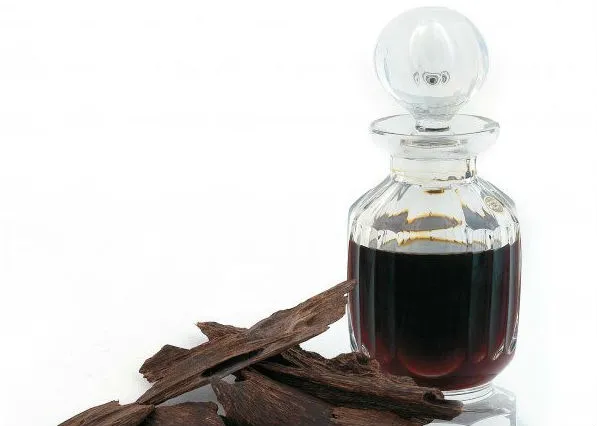
He now places essential oils in his humidifier to help him sleep. He favors unisex fragrances, bottles with strong visuals and a story, and mostly buys when traveling abroad. This consumer profile is no longer rare in China’s tier-1 and tier-2 cities.
The Growth of China’s Luxury Trade
In China, many shoppers were still lukewarm about perfumes and colognes until recently. Fragrances based on traditional Chinese medicine were common before the Cultural Revolution began in 1966. After that, wearing fragrance was seen as indecent for decades.
Perceptions began shifting with the growth of China’s luxury and cosmetics market and as more consumers traveled abroad. Even then, most buyers in the early 2010s purchased perfumes only as gifts, not for personal use.
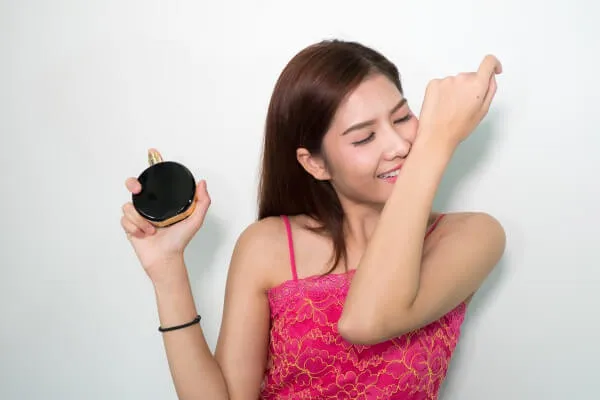
By 2026, that has changed. CAI estimates that over 60 percent of urban consumers aged 20 to 35 now use fragrance regularly, up from less than 50 percent five years ago. Personal use has overtaken gifting as the primary purchase motivation.
Understanding these consumption patterns is critical. A well-structured Marketing Services for Beauty Brands in China strategy must account for this shift from gifting to personal use.