Brand analyses Luxury houses, celebrity and indie brands
Louis Vuitton Opens First Beauty Store in China: What It Means for Cosmetics Brands
6 min read
On this page
- Louis Vuitton Enters the Beauty Arena: First Standalone Store in China
- 1. A Landmark Move: La Beauté Debuts in Nanjing
- 2. Why Nanjing’s Deji Plaza?
- 3. Strategic Significance and Market Timing
- 4. Luxury Consumer Trends and the Competitive Landscape
- How Louis Vuitton Is Playing China’s Beauty Market
- 5. Douyin and XHS: Where Luxury Beauty Now Lives
- 7. Live Commerce Is Not Optional Anymore
- 8. What This Means for Foreign Cosmetics Brands
Louis Vuitton opened its first standalone beauty store in China in 2025. By 2026, the move looks well-timed. China’s cosmetics market keeps growing, digital channels keep shifting, and the brands that adapted early are pulling ahead. Here is what happened, and what it means for any cosmetics brand selling in China today.
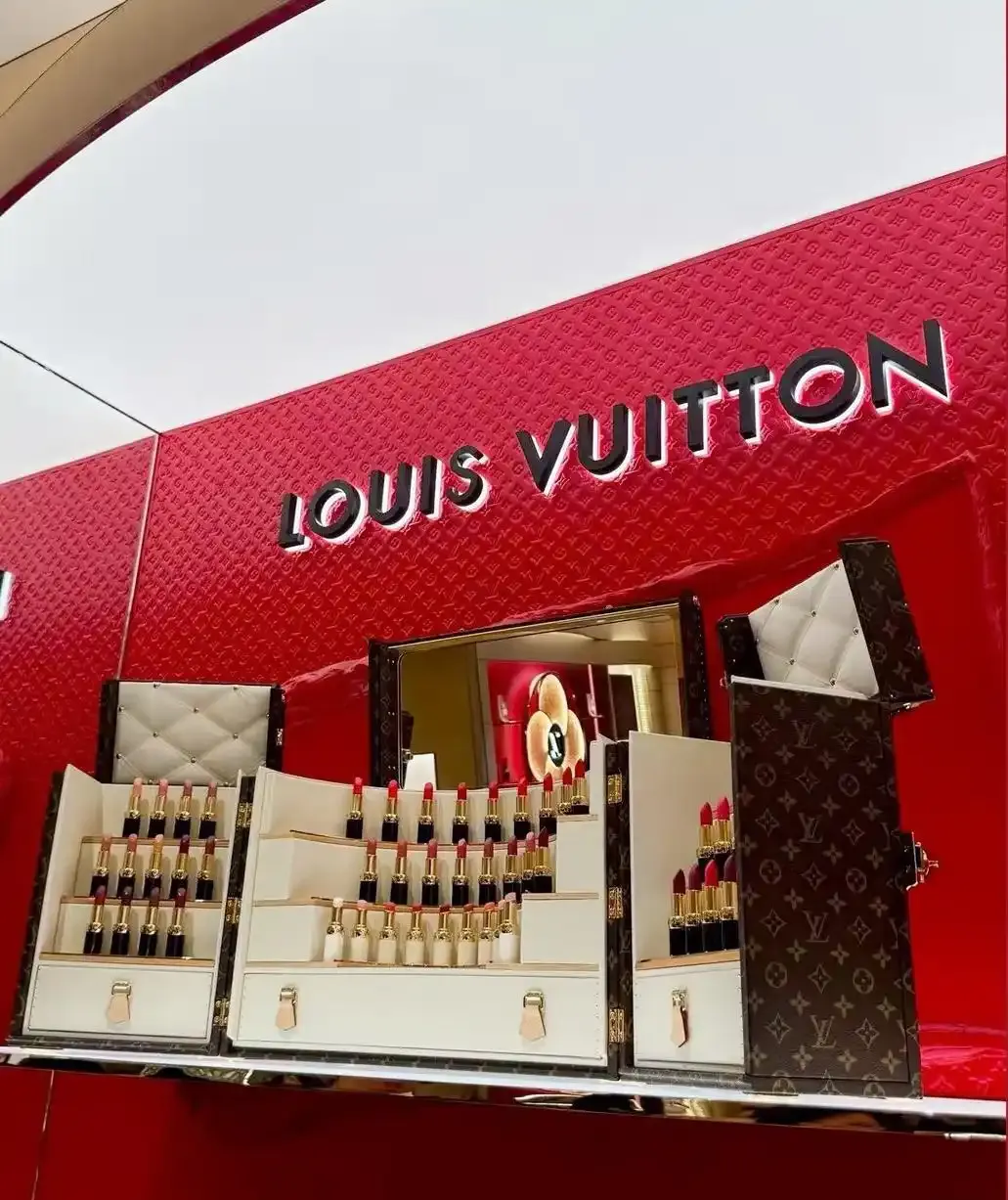
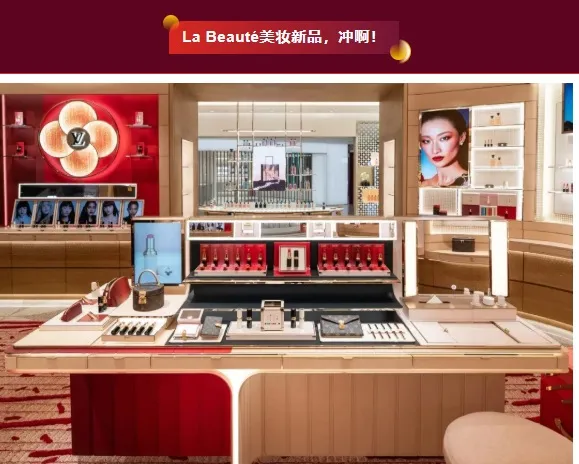
Louis Vuitton Enters the Beauty Arena: First Standalone Store in China
1. A Landmark Move: La Beauté Debuts in Nanjing
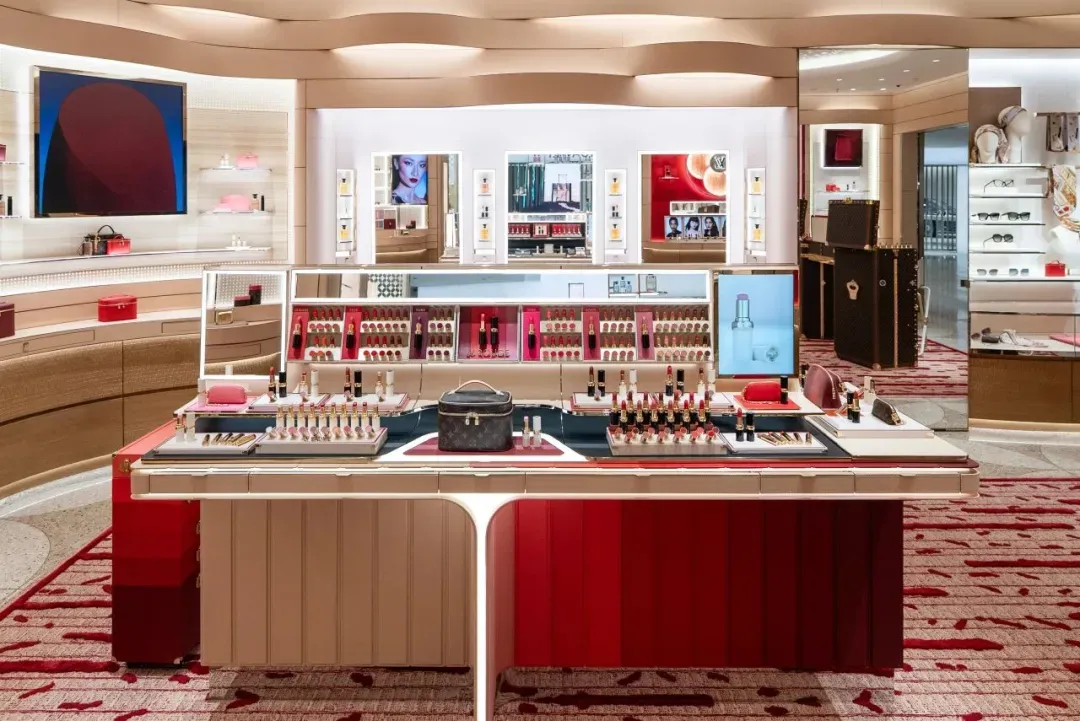
Louis Vuitton unveiled its first standalone beauty boutique in Nanjing’s Deji Plaza, eastern China, in August 2025. This was the first physical retail expression of La Beauté, the brand’s inaugural color cosmetics line, created under the direction of makeup artist Dame Pat McGrath.
- The product range: 55 LV Rouge lipsticks (matte and satin) at approximately RMB 1,200 each, 10 lip balms, and 8 eyeshadow palettes
- In-person viewing opened August 20, with global online pre-orders on August 25 and a worldwide rollout on August 29
- China was chosen as the first market for a standalone boutique, not Paris or New York
That last point matters. LV did not open in Europe first. It opened in Nanjing. The signal is direct: China is the priority market for luxury beauty.
2. Why Nanjing’s Deji Plaza?
- Deji Plaza is China’s top-performing luxury mall. In 2024, it generated RMB 24.5 billion in sales, the highest figure of any single mall globally
- The location reaches affluent consumers outside the Beijing and Shanghai bubble. Nanjing’s spending power is real, and its luxury appetite is growing
- This is classic tier-2 city strategy: plant a flag in a market that is underserved by standalone luxury beauty retail
I’ve seen brands skip tier-2 cities and regret it. The concentration of high-net-worth individuals in cities like Nanjing, Chengdu, and Hangzhou is not a secondary story anymore. It is the main story.
3. Strategic Significance and Market Timing
- LV’s parent LVMH saw global revenue dip approximately 4% in H1 2025, with softness in China’s luxury fashion segment
- Beauty offers repeat purchase cycles that bags and trunks cannot match. A consumer who buys a lipstick every two months stays engaged with the brand year-round
- The RMB 1,200 price point is high, but it is accessible compared to a RMB 20,000 handbag. Beauty is a volume play for luxury houses
4. Luxury Consumer Trends and the Competitive Landscape
- China’s cosmetics market crossed RMB 1 trillion in 2024, growing approximately 2.8%
- Bain projects the global luxury cosmetics segment will grow from US$63 billion in 2025 to US$83 billion by 2029
- Chinese consumers now prioritize ingredient quality, ritual, and the experience of purchase over brand logo alone. The store design and the in-store consultation matter as much as the product
- Competitors including Chanel, Dior, and Hermes already have dedicated beauty retail in China. LV is catching up, not leading
They struggled. The product is necessary but not sufficient.
How Louis Vuitton Is Playing China’s Beauty Market
5. Douyin and XHS: Where Luxury Beauty Now Lives
The boutique opening generated content across every major platform. That was not accidental.
In 2026, Xiaohongshu (XHS, Little Red Book) is the default discovery channel for cosmetics in China. QuestMobile data shows over 200 million monthly active users on the platform, with beauty as the top content category. When a consumer in Shanghai wants to know if LV Rouge is worth RMB 1,200, she opens XHS first, not a search engine.
- XHS user-generated reviews now influence purchase decisions more than brand advertising for cosmetics
- LV’s Nanjing opening generated thousands of organic posts within the first week, many from consumers who visited the store specifically to create content
- Brands that do not run structured Xiaohongshu marketing campaigns before a product launch are leaving awareness on the table
Douyin tells a different story. In 2026, the number keeps climbing. Douyin is not a brand-awareness channel anymore. It is a full commerce funnel.
- Beauty brands on Douyin run three formats: short video content, live commerce streams, and paid Douyin advertising placements
- Luxury brands including Dior and Armani have run live commerce on Douyin with their own brand accounts, not just through KOLs
- LV’s approach is more controlled: the brand uses the platform for storytelling and drives conversion to its boutique or official WeChat store
7. Live Commerce Is Not Optional Anymore
LV’s Nanjing boutique is physical retail. But the Chinese consumer journey rarely ends there.
After visiting the store, consumers share on XHS. They check the official WeChat mini-program for promotions. They watch a live commerce stream on Douyin to see how the lipstick looks on different skin tones. The physical store is the starting point, not the whole journey.
- Live commerce for beauty in China generated over RMB 800 billion in GMV in 2025, with luxury beauty growing fastest in the segment
- Brands selling on Tmall now integrate live streams directly into product pages during major shopping festivals (618, Double 11)
- The format works for luxury because live streams let brands explain the ritual, the texture, and the heritage of a product in ways that static images cannot
The brands winning in 2026 are not choosing between physical retail and digital. They run both and connect them. A consumer who visits the Nanjing boutique should receive a WeChat follow-up with new product drops. The boutique is a data collection point as much as a sales floor.
8. What This Means for Foreign Cosmetics Brands
Louis Vuitton has the budget to open standalone boutiques in Nanjing and the brand heritage to fill them. Most cosmetics brands do not. But the playbook is transferable.
- Choose your entry point carefully. Tier-1 cities are expensive and saturated. Tier-2 cities like Nanjing, Chengdu, and Wuhan have real spending power and lower competition for luxury shelf space
- Build your digital presence before you open retail. Chinese consumers research before they visit. If you do not exist on XHS and Douyin before your store opens, the opening day will be quiet
- Use KOLs for education, not just reach. The consumer at RMB 1,200 per lipstick wants to understand the product. Mid-tier KOLs with engaged audiences convert better than mega-influencers for luxury beauty
- Connect your channels. A WeChat marketing strategy for cosmetics that follows up on physical retail visits turns a one-time buyer into a repeat customer
- Prepare for AI search. The content you create now compounds
The ones who succeed have two things in common: they commit to the platforms Chinese consumers actually use, and they localize their content rather than translating it. There is a difference.
If you want to understand how cosmetics marketing in China works, or how to sell cosmetics in China, the LV playbook gives you a starting point. Adapt it to your budget and your brand position.