Beauty categories Skincare: market, ingredients and formats
Dermo-Cosmetics Brands in China: Strategy Guide
4 min read
On this page
China’s dermo-cosmetics market has grown far beyond the projections made five years ago. In 2026, the segment is valued at over 140 billion yuan, driven by a post-pandemic shift toward skin health, dermatologist-backed products, and ingredient transparency. Chinese consumers now read INCI lists. They compare actives on Xiaohongshu. They distrust vague “natural” claims and reward brands that can prove efficacy with clinical data. If you sell dermo-cosmetics and you are not in China yet, you are leaving real money on the table.
The Dermo-Cosmetics Market in China: Numbers
The market grew at a compound annual rate above 20% between 2018 and 2024, making it one of the fastest-growing segments in Chinese consumer goods. In 2026, dermo-cosmetics account for roughly 18% of total beauty sales online, up from under 10% in 2020. Key drivers:
- Rising disposable incomes in Tier 1 and Tier 2 cities
- A post-COVID generation more focused on skin barrier repair and medical-grade skincare
- Domestic brands (Winona, Dr. Yu) raising the bar and training consumers to expect clinical proof
- CFDA ingredient registration reform pushing brands toward transparency
The old narrative of “international = premium” still has weight, but it no longer sells by itself. You need clinical studies, dermatologist endorsements, and a content strategy built for Chinese platforms.
Pierre Fabre in China: A Case Study That Still Holds Up
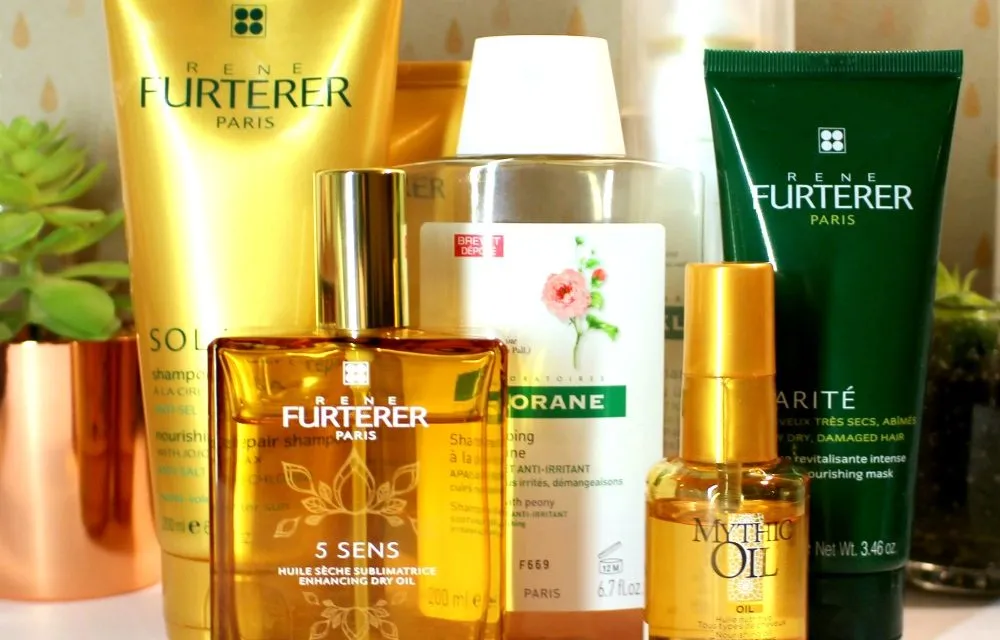
Pierre Fabre remains one of the strongest dermo-cosmetics references in China. Their two flagship brands, René Furterer and Klorane, entered the market with a clear positioning: pharmaceutical rigor, botanical sourcing, European quality certification. That positioning was rare when they launched. Today it is table stakes.
What made Pierre Fabre’s China strategy work was a combination of platform presence and KOL credibility. They built their Tmall store, generated traffic through Weibo KOL campaigns, and invested in analytical reporting to adjust quickly.
In 2026, the same logic applies, but the platforms have shifted. Weibo matters less. Xiaohongshu (Little Red Book) is now the primary discovery platform for skincare. Douyin drives impulse purchases. WeChat handles loyalty and repurchase. Any dermo-cosmetics brand entering China needs all three working together.
What Chinese Consumers Expect From Dermo-Cosmetics
Chinese consumers in 2026 are not impressed by packaging. They want proof. Here is what they look for:
- Clinical testing data: Dermatologist-tested claims backed by studies, ideally with Chinese clinical validation
- Ingredient transparency: Full INCI list, no hidden fragrance or silicone, clean-label positioning
- Skin type specificity: Products marketed for sensitive skin, redness-prone skin, or post-procedure care perform 3x better than general claims
- KOC and dermatologist content: Peer-to-peer reviews from Key Opinion Consumers on Xiaohongshu outperform celebrity endorsements in this segment
- Traceability: Origin of botanical ingredients, manufacturing standards (GMP, EFQM, ISO)
Winona, the domestic leader, built a billion-yuan business by mastering exactly these points. Foreign brands compete with a legacy credibility advantage, but they lose it fast if their content strategy is generic.
Platforms That Move Dermo-Cosmetics in China
Xiaohongshu (Little Red Book)
This is where Chinese women research skincare. Over 300 million monthly active users in 2026, with beauty as the top content category. Dermo-cosmetics brands that invest in Xiaohongshu content strategy see compounding returns: one well-seeded KOC post can generate 50,000 organic views in a week. The key is authenticity. Branded posts without real user language get ignored. Work with dermatology-adjacent creators, not just beauty influencers.
Douyin
Short video drives discovery for younger consumers (18-30). Douyin advertising for dermo-cosmetics works best with before/after formats, ingredient explainer videos, and live-stream sessions with dermatologists. Douyin’s algorithm rewards content that generates saves and shares, not just views. Brands that skip Douyin in 2026 miss the largest impulse-purchase engine in Chinese e-commerce.
Tmall and JD
Your Tmall flagship store is your digital headquarters. Chinese consumers check it even after discovering you on Xiaohongshu or Douyin. The store must show clinical data, ingredient sourcing, certifications, and real reviews. JD.com is stronger for health and pharmacy-adjacent positioning, which makes it a good secondary channel for dermo-cosmetics specifically.
Post-purchase loyalty runs through WeChat. Mini-programs for skincare diagnosis, loyalty programs, and push notifications for product launches. If a consumer buys once on Tmall, your WeChat ecosystem is what brings them back.
KOL and KOC Strategy for Dermo-Cosmetics
In 2020, large KOLs on Weibo were the primary channel. In 2026, the model has fragmented. KOL strategy in China for dermo-cosmetics now works on three tiers:
- Dermatologist KOLs: Medical professionals with Xiaohongshu or Douyin presence. High credibility, moderate reach (10,000-100,000 followers). Essential for this segment.
- Mid-tier beauty KOCs: 10,000-200,000 followers. High engagement, trusted by their audience, affordable. Best ROI for dermo-cosmetics seeding.
- Top-tier KOLs and livestream hosts: For launch campaigns and volume. Li Jiaqi’s successors still move massive units on Douyin Live, but the category fit must be right.
For a dermo-cosmetics brand, I recommend starting with 20-30 dermatologist KOCs and 10-15 mid-tier beauty creators before spending on top-tier talent. Build the credibility layer first, then amplify it.