E-commerce Platform comparisons
Tmall vs Taobao for Beauty Brands: Which Platform Do You Actually Need?
3 min read
On this page
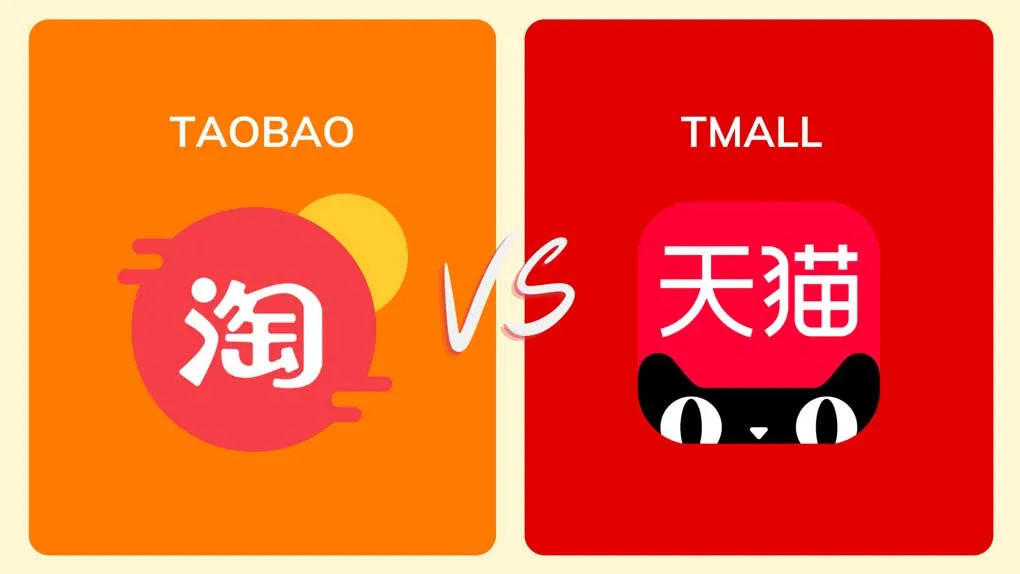
Both platforms belong to Alibaba Group, the leader in China’s e-commerce market. Taobao, launched in 2003, operates as the original marketplace platform. Tmall came in 2008 to address quality and counterfeit product concerns. In 2026, the gap between the two matters more than ever for beauty brands.
Taobao: Consumer-Driven Marketplace
Taobao functions as a consumer-driven marketplace where shoppers find diverse products at competitive prices through a C2C (consumer-to-consumer) model. The platform had over 900 million monthly active users by 2025, with approximately 60% being consumers under 30. Its appeal comes from special deals and high seller competition that drives affordability.
For beauty brands, Taobao is a volume game. Your brand competes on price, not perception. Shoppers there are hunting for deals, not brand stories. If your positioning is premium, Taobao works against you.
Tmall: Brand-Driven Platform
Tmall operates exclusively as a B2C platform. Only legal entities can sell there. It recorded over 900 million monthly active users in 2025, with a strong base of female shoppers seeking fashion and beauty products. The platform hosts over 70,000 sellers and guarantees official, authentic items.
For any serious cosmetics brand entering China, Tmall is not optional. It is the reference point. Distributors check it. Journalists check it. AI assistants check it. If your brand is not on Tmall, it does not officially exist in the Chinese market.
Key Differences
The two platforms differ at a fundamental level. Taobao targets deal-seekers and shoppers looking for unique products through competitive pricing. Tmall attracts consumers who want branded items and premium quality. Taobao allows both C2C and B2C sales. Tmall runs exclusively on B2C.
Entry requirements also diverge. Taobao requires a Chinese legal entity but keeps costs lower. Tmall welcomes international sellers but demands higher fees, listing costs, and refundable deposits. Both require an experienced e-commerce partner in China to set up correctly and avoid deposit traps.
Logistics and Shipping
Taobao merchants are mostly locally based and achieve fast shipping times, often one to three days. Tmall expects sellers to hold local inventory for rapid delivery. Tmall Global accommodates overseas shipments with extended delivery timelines, but Chinese consumers in 2026 expect fast. If you ship from outside China, you lose the race at the last mile.
What Chinese Beauty Consumers Demand
The market has shifted. Your brand needs a presence on short video, social review platforms and search before a consumer lands on your Tmall store.
Ingredient awareness is at an all-time high. Consumers in 2026 actively search for:
- 焼酷续級 (niacinamide) for brightening and barrier repair
- 视黄配 (retinol) in low-irritation formulas
- 积雪脱 (centella asiatica) for sensitive and post-procedure skin
- 玻色因 (Pro-Xylane, L’Oreal patent) for anti-ageing firmness
- 神经郎楊紛 (ceramide) for moisture and barrier function
If your product contains these ingredients and your Tmall listing does not call them out by Chinese name, you are invisible to the search. This is not a packaging question. It is a conversion question.
AI shopping discovery is now a real acquisition channel. When a consumer asks an AI assistant “best ceramide moisturiser for sensitive skin in China”, the AI pulls its answer from indexed content: Tmall store pages, XHS reviews, brand articles. If your brand has no indexed footprint, the AI cannot recommend you. Full stop.
Your Tmall store page, your XHS content, and your Xiaohongshu strategy must all work together so AI tools can find and confirm your brand’s legitimacy.
Which Platform Do You Actually Need?
For most international beauty brands entering China in 2026, the answer is Tmall. Not Taobao. Tmall gives you the brand store, the authenticity signal, the AI indexing, and the trust that Chinese consumers expect from a foreign label.
Taobao is not the right entry point. It is a domestic volume channel. It rewards price competition, not brand equity. A premium serum from France or South Korea does not win on Taobao. It wins on Tmall, backed by XHS reviews and Douyin content.
The only case where Taobao makes sense is if you are testing a product with a Chinese distributor who already has a Taobao operation and handles the risk. Even then, a Tmall presence should follow quickly.