Regulation Animal testing and cruelty-free
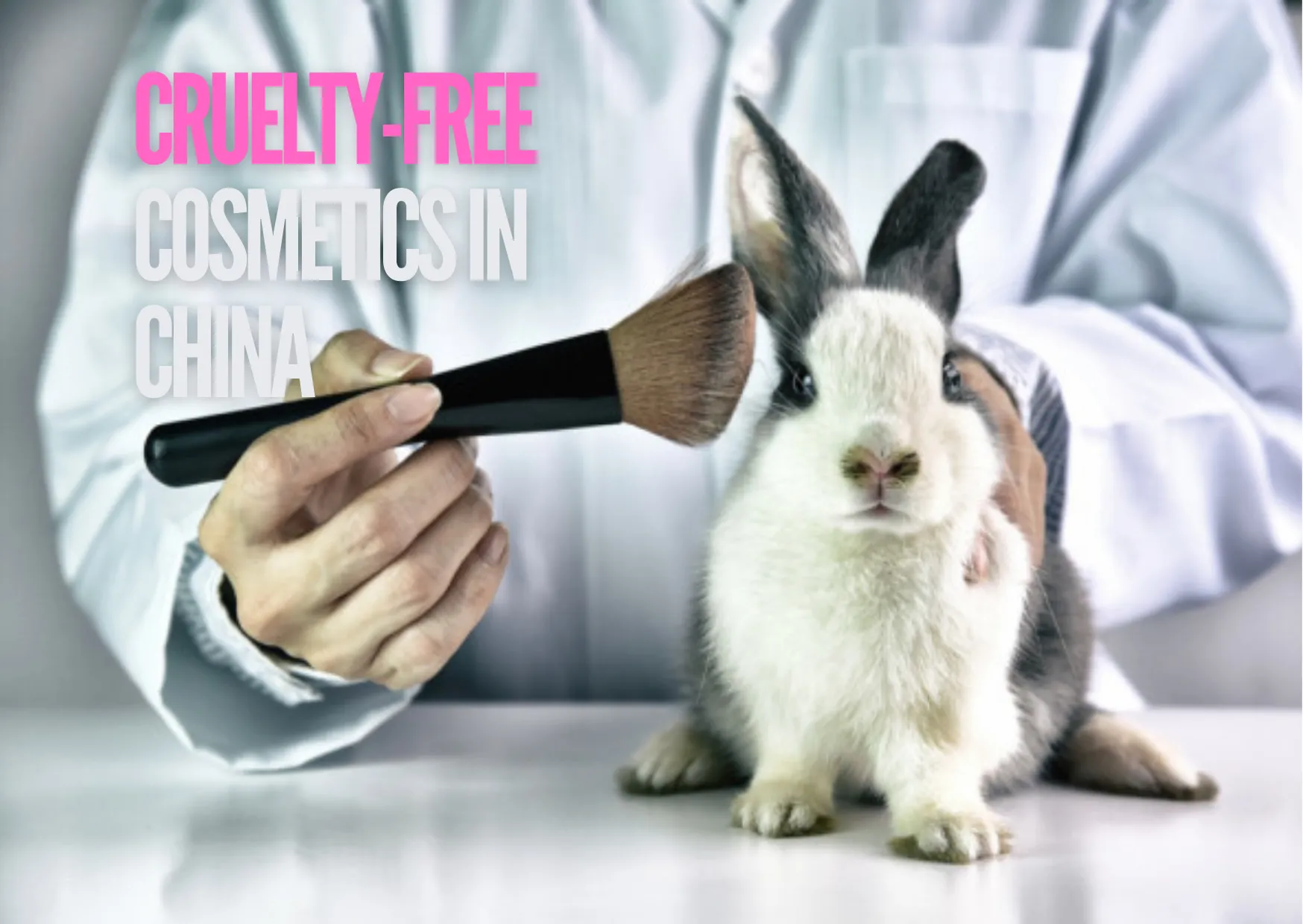
Cruelty-Free Cosmetics in China: Animal Testing Rules Changed, Here Is What You Need to Know
3 min read
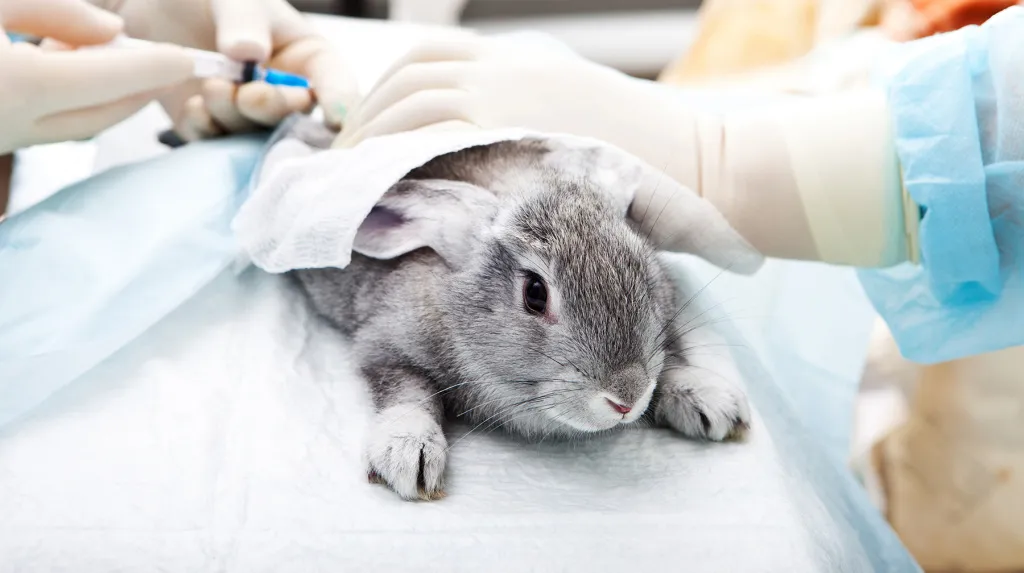
China dropped mandatory animal testing requirements for imported general cosmetics in 2021. For cruelty-free brands that had categorically excluded China from their global strategy for years, this was the moment they had been waiting for. Brands including The Body Shop, Lush, Dove (for certain lines), and dozens of European indie beauty brands finally had a path into the world’s second-largest cosmetics market without compromising their values. Four years later, in 2026, how has that played out? What do cruelty-free brands need to know now?
What Actually Changed: China’s Animal Testing Policy
The 2021 reform was significant but not total. Here is the precise picture as of 2026. General cosmetics (moisturizers, cleansers, makeup, most haircare) imported via cross-border e-commerce (CBEC) do not require mandatory animal testing. General cosmetics registered for domestic sale (via Tmall domestic flagship, offline retail) under NMPA notification require a safety assessment but no mandatory animal testing, brands can substitute with accepted non-animal safety methods. Special-purpose cosmetics (sunscreens, hair dyes, anti-hair loss products) still require animal testing data for NMPA registration via some pathways, though alternative testing methods are increasingly accepted for certain claim types.
In practice: a cruelty-free cosmetics brand can enter China today via CBEC without any animal testing. They can file for NMPA notification of general cosmetics without animal testing by using EU-compliant safety assessments and alternative test data. They cannot yet register all special-purpose cosmetics without animal testing in all scenarios, but reform continues, and this restriction is expected to narrow further by 2027.
This is a genuinely large change. Three to four years ago, China was the market that forced cruelty-free brands to choose between their values and their growth. That trade-off no longer exists for most product categories. The question is no longer “can I enter China without animal testing?” The question is “how do I enter China in a way that builds the brand I want to build?”
Trends: Cruelty-Free and Clean Beauty in China
- Chinese consumers increasingly care about cruelty-free: Gen Z Chinese consumers, particularly those with exposure to Western clean beauty culture via XHS, are actively seeking out cruelty-free certified products. The Leaping Bunny, PETA cruelty-free, and similar logos have real recognition and commercial value among this segment in 2026.
- Clean beauty and cruelty-free overlap significantly: Chinese consumers often associate cruelty-free with clean ingredients, natural formulas, and environmental responsibility. A cruelty-free brand that also emphasizes clean formulas, transparent ingredient lists, and sustainable packaging is positioned perfectly for China’s most values-driven consumer segment.
- XHS is the platform where cruelty-free content thrives: “Cruelty-free skincare routine in China” posts, “my switch to cruelty-free beauty” journal content, and “which brands are truly cruelty-free in China” buying guides, all of this performs exceptionally well on XHS among conscious consumers.
- Certification confusion creates opportunity: Chinese consumers are confused about which products are truly cruelty-free in China, because until recently nothing was. Brands that clearly communicate their cruelty-free status and the specific pathway they use (CBEC, non-animal NMPA notification) build enormous trust with this consumer segment.
- Vegan beauty is the next frontier: Following cruelty-free, vegan cosmetics (no animal-derived ingredients) is the emerging claim that Chinese Gen Z consumers are beginning to seek. Brands that are both cruelty-free and vegan have a compound value proposition that will become more commercially significant in 2026-2028.