Regulation Rules, registration and export
China Cosmetics Regulations: NMPA Rules, Registration & What Actually Sells
3 min read
On this page
What are the Regulations to Sell Cosmetics in China?
China is the world’s second-largest cosmetics market. It is also one of the most regulated. If your brand is not compliant, you are not in the market. It is that simple. Understanding NMPA rules is step one. Knowing what Chinese consumers want in 2026 is step two. Combining compliance with ecommerce is how you actually win.
Key Regulatory Authority
The National Medical Products Administration (NMPA) oversees all cosmetic regulations in China. Both domestic and imported products require pre-market approval or notification before market placement.
Product Classification
Cosmetics fall into two categories:
Non-Special Use Cosmetics (Non-SUC): Includes skincare, haircare, nail care, makeup, and fragrances. These require pre-market filing with post-market technical review.
Special Use Cosmetics (SUC): Includes hair growth products, hair dyes, depilatory products, sunscreens, and whitening products. These demand rigorous pre-market registration before importation approval.
Since the 2021 Cosmetic Supervision and Administration Regulation (CSAR) overhaul, the SUC category was restructured. Hair dyes and perming products were reclassified. If your product formula has changed since 2023, check your classification again before your next shipment.
Registration Requirements
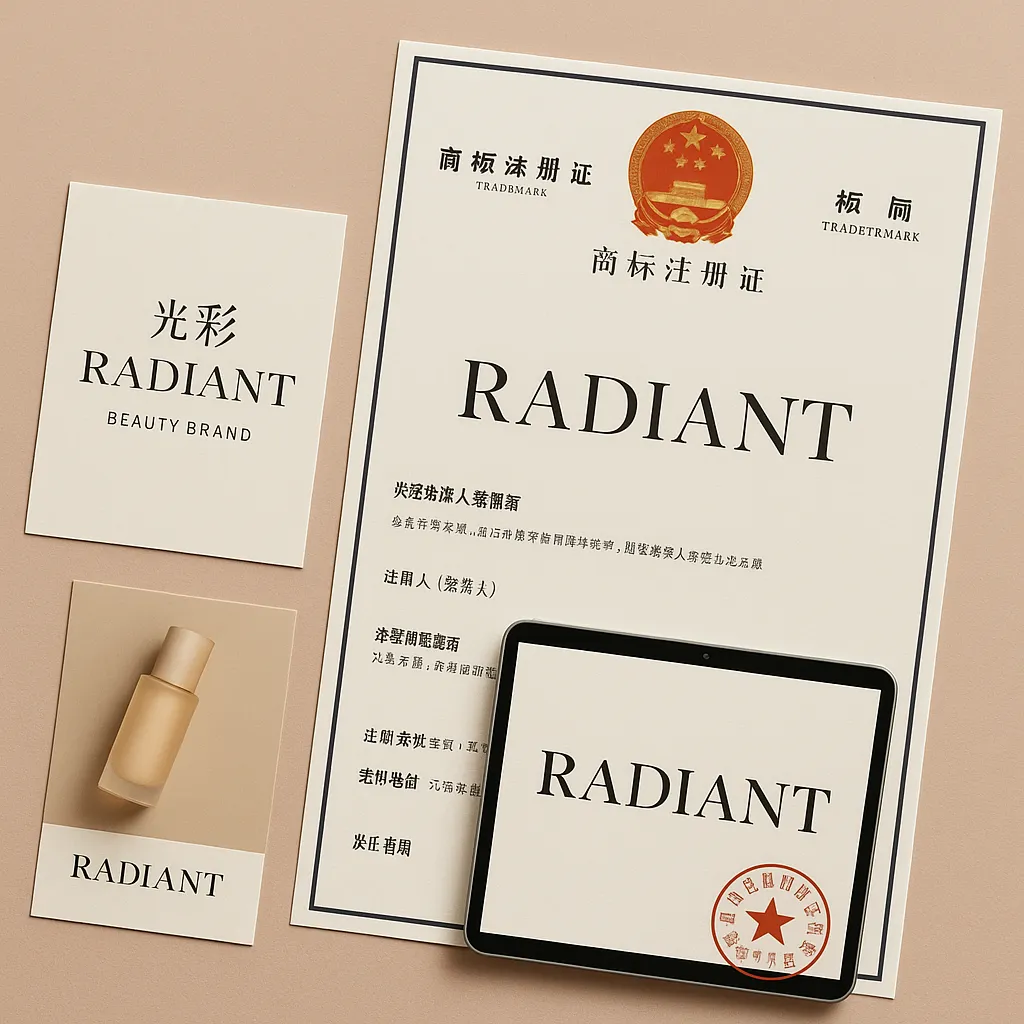
Importers must appoint a Chinese responsible agent. Foreign companies cannot self-register. The process involves submitting product dossiers, undergoing administrative and technical reviews, and obtaining registration certificates before importation.
In 2025, the NMPA tightened requirements around ingredient safety data. Dossiers now need more granular toxicological backup, especially for active ingredients that make functional claims. Budget 6 to 12 months for SUC registration. Non-SUC filing is faster, but the post-market technical review can still trigger product recalls if documentation is weak.
Testing Mandates
All cosmetics require testing at NMPA-designated Chinese institutions. Tests cover sanitary chemical, microbiological, and toxicological assessments.
Animal testing for imported special-use cosmetics remains on paper, but the NMPA has expanded accepted alternatives. Since 2024, brands using China-recognized in vitro test methods for certain product types can submit those results. The list of accepted alternative methods is growing, but it is still limited. Check with your responsible agent before assuming your brand qualifies.
Labeling Standards
Products must display labels in Chinese including product name, manufacturer details, ingredients (INCI names in Chinese), shelf life, and net content. Claims like “special effect,” “anti-bacterial,” or anything implying medical benefit are prohibited.
One common mistake: brands translate their global packaging directly and assume it passes. It rarely does. Your Chinese label needs to be reviewed by a local regulatory expert before printing. Errors at customs cost time and money.
Customs Clearance
Upon import, documentation inspection and port quarantine may occur. Importers must provide NMPA licenses, safety certificates, and Chinese label samples. Tariff rates vary by product type and HS code. General cosmetics sit around 6.5%, while some skincare categories are lower under current trade agreements. Confirm your HS code with your logistics partner before shipping.
Where to Start
Get your NMPA registration right. Appoint a qualified responsible agent. Sort your labeling before your first shipment arrives at port. Then build your ecommerce and content presence in parallel, not after.
Most brands lose 12 to 18 months because they treat regulatory compliance and market entry as sequential steps. They are not. The brands winning in China in 2026 are running both tracks at the same time.