Chinese beauty consumers Beauty standards and makeup culture
The Most Popular Chinese Beauty Apps
6 min read
On this page
Technology has a significant impact on beauty in China. The main players in this industry keep pushing new options in the shopping experience for customers. Chinese consumers expect to try products before buying, virtually or physically. Artificial intelligence has accelerated the development of beauty apps faster than most Western brands realize.
Social media and the mass adoption of smartphones have reinforced this trend for years. According to McKinsey, 44% of luxury goods sales are influenced by internet research or online buzz. In 2026, that number is even higher for beauty, where discovery happens almost entirely on mobile.
The app landscape has changed dramatically. In 2023, beauty camera apps were king. Today, they are just one piece of a much larger picture. Let me walk you through what still matters, and what has shifted.
Here are some of the main Chinese beauty apps available on the market:
- Meitu
- Make-up Plus
- Pitu
- BeautyPlus
- Camera 360
What are Chinese Beauty Camera Apps?
Chinese beauty camera apps are mobile applications that use advanced technologies such as augmented reality (AR) and artificial intelligence (AI) to enhance the user’s appearance in real-time. These apps offer features like skin smoothing, face slimming, eye enlargement, and makeup filters to create a perfect selfie. Users adjust the intensity of each effect to get the look they want.
These apps have millions of users downloading and using them daily. They became an essential tool for Chinese consumers interested in beauty and self-expression.
The core user base is young women, aged 18 to 35, who are tech-savvy and deeply interested in beauty and fashion. They spend significant time browsing features, testing looks, and sharing results on social platforms.
In 2026, these apps have evolved beyond photo editing. They now connect directly to e-commerce, recommend products based on skin type analysis, and integrate with platforms like Xiaohongshu marketing for social sharing. The line between beauty app and shopping app has blurred completely.
The Most Popular Chinese Beauty Apps
As taking selfies and improving appearance on camera became a norm in Chinese society, a series of beauty camera apps emerged to meet that demand. Here are the most popular ones, and where they stand in 2026.
Meitu Pic: Number 1 Chinese Beauty App
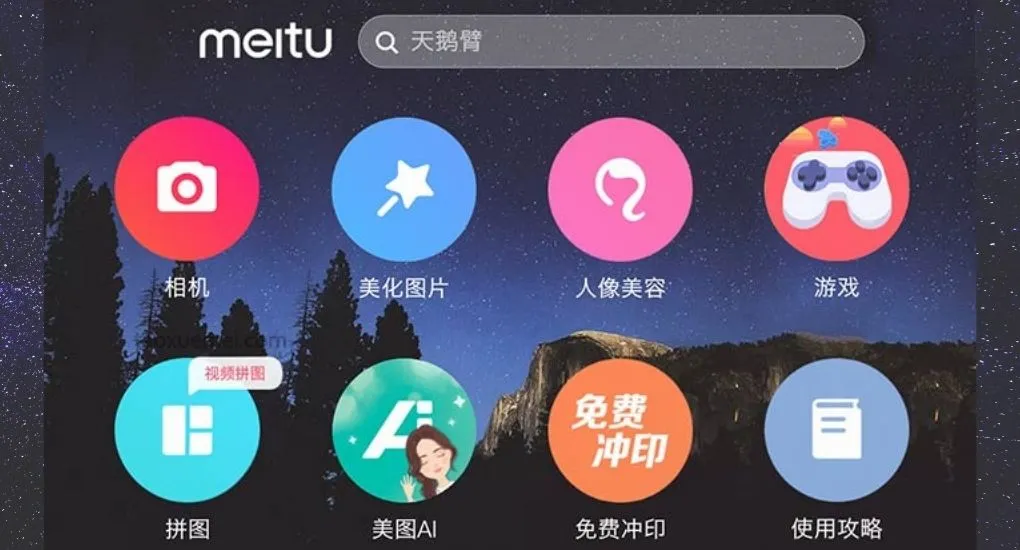
Functions on Meitu
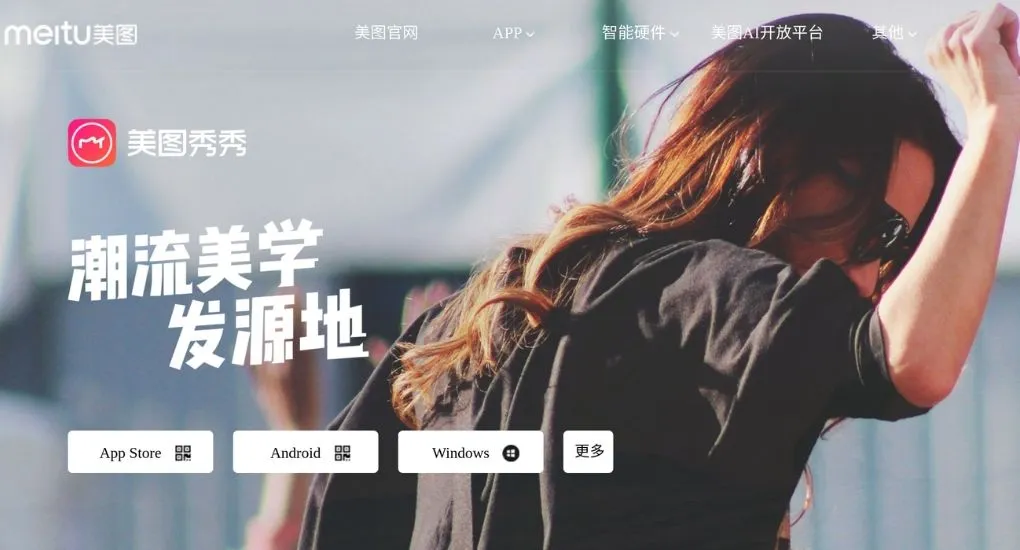
Meitu is a Chinese smartphone-based photo-editing app. It lets you customize selfies, add filters and stickers, and use a full range of facial editing tools.
It was developed by Xiamen-based Meitu Inc. This app became one of the most popular beauty camera apps in China, and gained traction in Western markets too. After its launch in 2008, it reached 456 million users. Those users post approximately 6 billion photos every month.
Users of Meitu can customize their photos using branded makeup products, with the option to purchase directly within the app. Top beauty brands use Meitu to promote lip colors, mascara, and skincare products. Beauty bloggers in China regularly partner with brands on Meitu campaigns.
In 2026, Meitu has gone further into AI-powered skin analysis. Users scan their face, receive a skin diagnosis, and get product recommendations matched to their skin concerns. This is not just a filter tool anymore. It is a product discovery engine. I’ve seen brands use Meitu’s AI skin diagnostic feature as a top-of-funnel acquisition tool with strong conversion rates on Tmall.
Make-up Plus
Make-up Plus is a virtual try-on app that lets users test thousands of makeup products in real time. The app works with a large catalog of Chinese and international brands. Users try lipstick shades, foundation tones, and eye looks before committing to a purchase.
For brands, Make-up Plus is a direct entry point into Chinese consumer consideration.
Pitu
Pitu is Tencent’s beauty camera app. It integrates directly with WeChat, which gives it a massive distribution advantage. Users share edited photos within WeChat Moments without leaving the app. For brands active on WeChat, Pitu is a natural extension of their social strategy.
BeautyPlus
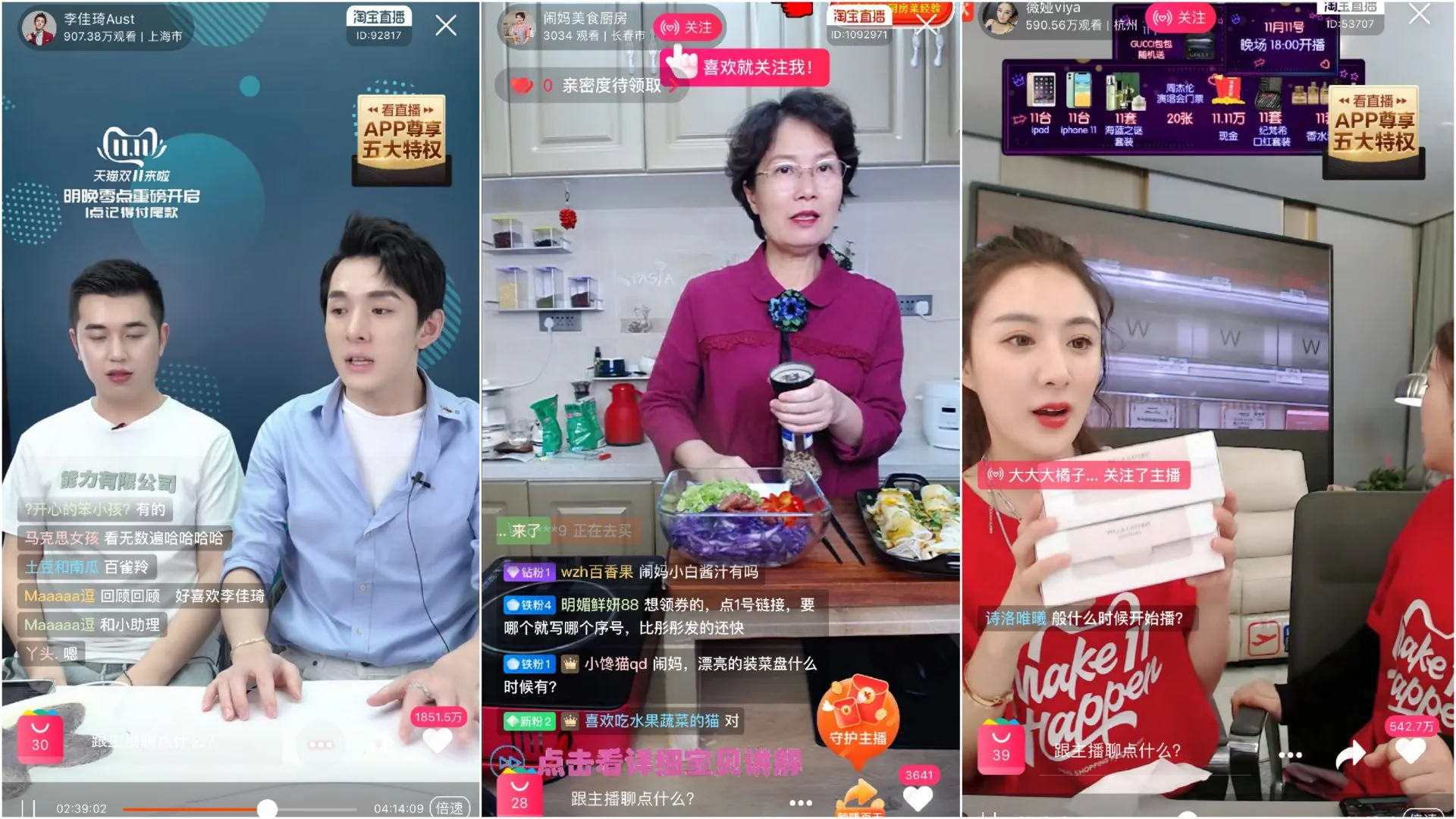
BeautyPlus offers real-time beautification during video calls and live streaming. In 2026, live commerce is one of the dominant sales channels for cosmetics in China. BeautyPlus positioned itself perfectly for this shift. Brands and KOLs use BeautyPlus filters during live selling sessions on Douyin and Taobao Live to show products in the best light.
Camera 360
Camera 360 is one of the oldest beauty camera apps in China. It covers the full editing workflow, from shooting to post-processing. Its user base is broad, covering both younger users and older demographics who are less active on newer platforms.
How the China Beauty App Landscape Has Changed
When I first started advising cosmetics brands on their China entry, beauty apps were a novelty. Today they are infrastructure. Every major platform has built beauty features natively.
Douyin (the Chinese TikTok) now has AR try-on filters built directly into its camera. Users test a lipstick shade from a brand, tap once, and land on the brand’s Douyin shop. The purchase happens in under 60 seconds. This is where Douyin advertising becomes critical for cosmetics brands. It is no longer just about awareness. It is about closing the sale in the same session.
Xiaohongshu (Little Red Book) has become the dominant discovery platform for skincare in China. Users post skin routines, ingredient reviews, and honest product tests. The community is skeptical of branded content. Peer reviews from regular users drive more purchase intent than polished ad campaigns. Brands that understand this win. Brands that ignore it lose ground quickly.
In 2026, I see three clear trends driving the beauty app space in China:
- AI skin diagnosis: Apps like Meitu now offer skin type analysis that recommends specific ingredients. Brands with clear ingredient stories (niacinamide, retinol, ceramides, centella asiatica) benefit more from this than brands with vague messaging.
- Live commerce integration: Beauty apps connect to live streaming sales. BeautyPlus filters are standard on Douyin live sessions. Brands without a live commerce presence are invisible to a large portion of the market.
- Ingredient-led content: Chinese consumers in 2026 read labels. They search by ingredient, not by brand name. Beauty apps that surface ingredient data alongside try-on features are gaining user time. Brands need to make their ingredient story accessible and clear.
What Brands Should Do
Most international cosmetics brands I speak with are still focused on stand-alone beauty apps as their main digital touchpoint in China. That thinking is outdated. The standalone beauty camera app is now one tool among many. The real battleground is platform-native beauty features inside Douyin, XHS, and WeChat.
Here is what I recommend:
- Integrate your product catalog into Meitu and Make-up Plus for AR try-on. The cost is lower than most brands expect, and the discovery volume is real.
- Build a Douyin shop and activate live commerce. One live session per week with a mid-tier KOL converts better than a month of banner ads.
- Invest in Xiaohongshu seeding with genuine users, not just top KOLs. Micro-influencer reviews in the skincare category drive search volume that you can capture with optimized Tmall listings.
- Make your ingredient story clear and searchable. Chinese consumers in 2026 are ingredient-literate. If your brand cannot explain what is in the product and why it works, you will lose to local brands that can.
The brands winning in China right now are the ones that treat beauty apps, social platforms, and e-commerce as one connected system, not separate channels. That integration is what I help brands build.