Chinese beauty consumers Beauty standards and makeup culture
China Beauty Standards: How "Honorable Face" and New Aesthetics Are Reshaping Cosmetics Marketing
4 min read
On this page
China’s beauty market crossed 600 billion yuan in 2025, and it is still growing. But what “beautiful” means in China has shifted more in the last four years than in the previous two decades. Young Chinese consumers are rejecting the rigid templates of the past, from the heart-shaped face and double-eyelid ideal to the surgically enhanced “plastic face” aesthetic, and replacing them with something harder for foreign brands to copy: confidence, individuality, and cultural pride. If your brand still markets to a homogeneous Chinese beauty ideal, you are selling to a consumer who no longer exists.
From “Perfect Face” to “Honorable Face”: A Cultural Shift Brands Cannot Ignore
The concept of gaojilian (高级脸), often translated as “honorable face” or “high-level face,” first appeared on Chinese social media around 2018. By 2026, it has become one of the most-used beauty descriptors on Xiaohongshu (Little Red Book), with millions of posts exploring what it means to be beautiful “on your own terms.”
The gaojilian ideal values attitude, maturity, and distinctiveness over symmetry or surgical perfection. Actresses like Yuan Quan and Tang Wei are cited constantly as examples: not conventionally pretty by old standards, but possessing a magnetic quality that transcends standard beauty metrics. Ma Yili, a popular actress and public voice on women’s rights, has openly questioned why talent and personality should be subordinate to appearance. That message lands very differently with a 24-year-old in Chengdu in 2026 than it did ten years ago.
Shandong University of Art announced in 2023 it would reject applicants who had undergone cosmetic procedures, arguing that surgery compromises emotional expression. The decision sparked national debate. Whether you agree with that policy or not, it tells you something important: Chinese institutions are starting to push back against the surgical enhancement culture that dominated the 2010s.
The numbers follow the attitude shift. According to the Chinese Society of Plastic Surgery, the year-over-year growth rate of cosmetic procedures, which hit 42% in 2017, had slowed significantly by 2024. Meanwhile, spending on premium skincare and “natural-enhancement” cosmetics kept rising. Consumers moved their budget from the surgery table to the makeup counter.
5 Trends Defining Chinese Beauty
- Guochao (国潮) aesthetics: Chinese national pride has entered beauty. Brands that incorporate traditional Chinese ingredients (ginseng, baiji, camellia oil), Tang dynasty color palettes, or Chinese calligraphy into their visual identity are outperforming Western minimalism on social media.
- Skin barrier obsession: After years of aggressive brightening and anti-aging routines, Gen Z Chinese consumers are prioritizing skin health. The search term “skin barrier repair” grew 380% on Xiaohongshu between 2023 and 2025.
- Gender-fluid beauty: Male grooming and gender-neutral cosmetics are no longer niche. Male beauty influencers (often called “menan” 美男) drive significant sales across skincare, lip color, and even foundation categories.
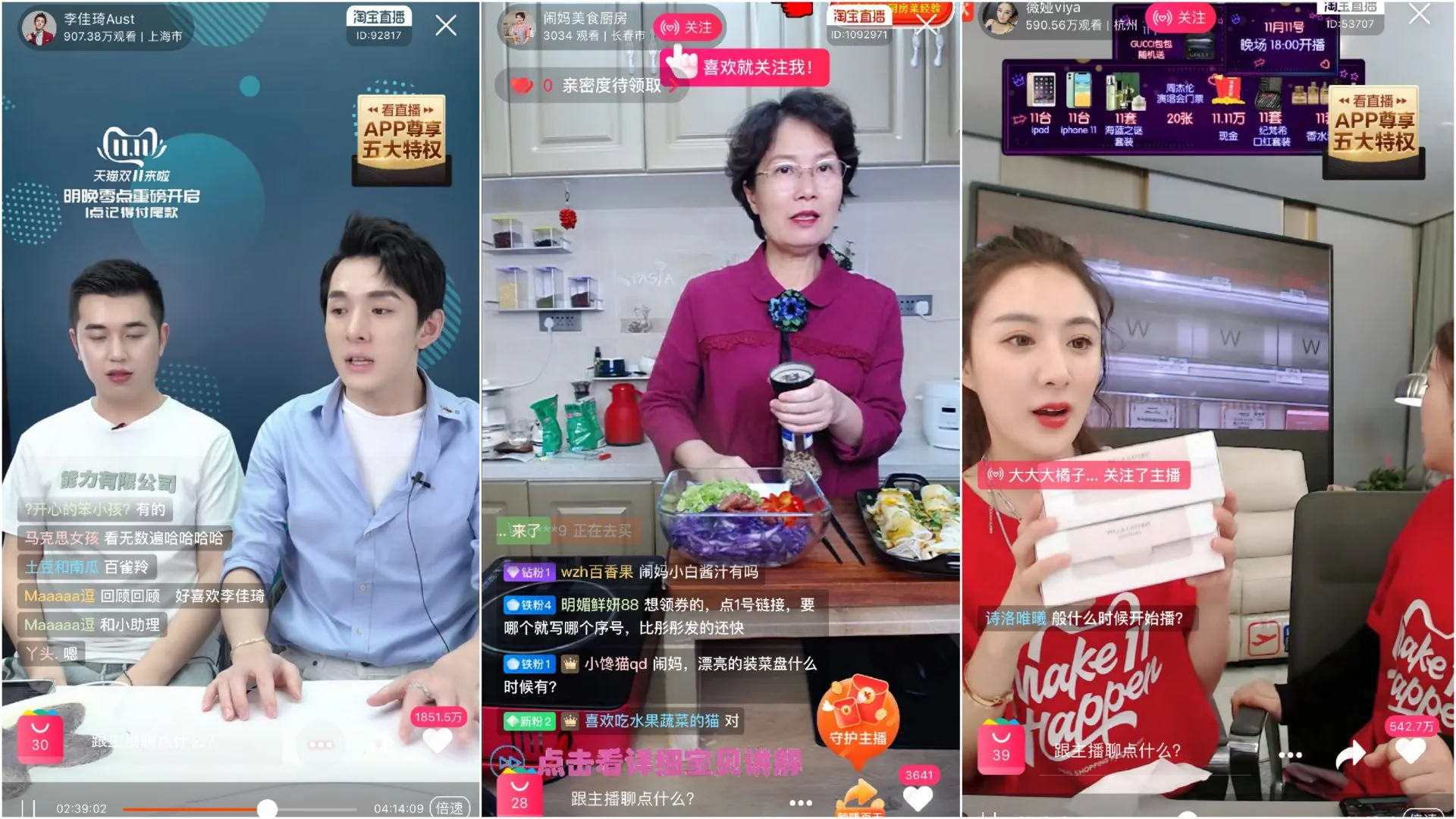
- Hyper-local influencer trust: Mega KOLs still move product at launch, but micro-KOCs (Key Opinion Consumers) with 5,000–50,000 followers on Xiaohongshu now convert at higher rates for repeat purchases. Authentic user reviews outperform glossy brand content.
- Anti-filter pushback: Following viral campaigns against digital beauty manipulation, platforms including Douyin introduced “no filter” content labels. Brands that show real skin textures are gaining credibility with a generation suspicious of airbrushing.
What This Means for Your Brand’s China Strategy
The most important thing a foreign beauty brand can do right now is stop treating China as a monolithic market. The 22-year-old in Hangzhou who buys clean Korean skincare, the 35-year-old professional in Beijing who wants science-backed anti-aging, and the fashion-forward Gen Z consumer in Chengdu who follows niche Japanese brands all have different triggers, different platforms, and different definitions of “beautiful.”
Cosmetics marketing in China in 2026 requires platform-specific creative. What works on Douyin (short, high-energy tutorials, before/after transformations, trending sound formats) does not work on Xiaohongshu (honest reviews, detailed ingredient breakdowns, lifestyle aspiration). And neither of those works on WeChat, where your owned community and CRM strategy drive loyalty and repeat purchase.
Brands like Proya, Florasis, and Judydoll have demonstrated that Chinese consumers will pay premium prices for products rooted in Chinese cultural identity. Foreign brands that try to appropriate guochao without genuine connection to Chinese ingredients, history, or design principles get called out quickly. The safer play is to find where your brand’s authentic values overlap with what Chinese consumers care about, and build from there rather than simply repackaging a Western campaign with Chinese characters.
KOL and KOC partnerships in China remain the most reliable awareness and conversion tool in beauty. But the criteria for selecting the right voice have changed. In 2026, audience trust metrics and comment quality matter more than raw follower counts. A KOC with 15,000 engaged Xiaohongshu followers who genuinely loves your product will outperform a paid mega-influencer reading a script.