Chinese beauty consumers Beauty standards and makeup culture
Korean vs Chinese Beauty Standards: What Your Brand Needs to Know
5 min read
On this page
- Differences Between Chinese and Korean Beauty Standards
- Slim figure and fair skin in Korean beauty standards
- Softer and more natural in Chinese beauty standards
- Western influence on both markets
- Cultural Influences on Beauty Standards
- Historical influences on Chinese beauty standards
- K-pop and the Hallyu Wave
- Traditional beauty practices in both cultures
- Pressure and Body Image
- High beauty standards and body image in South Korea
- Social media’s role in both markets
- Body positivity in both countries
- Your Brand in the Chinese Beauty Market
Nearly 40% of women in China and South Korea use skincare products daily as part of meeting beauty expectations. That number keeps climbing. But the standards driving that behavior are not identical, and if your brand treats “Asian beauty” as one monolithic market, you will lose ground to brands that understand the difference.
This article breaks down Chinese vs Korean beauty standards, where they come from, how they are shifting in 2026, and what that means if you are trying to sell cosmetics in China right now.
Differences Between Chinese and Korean Beauty Standards
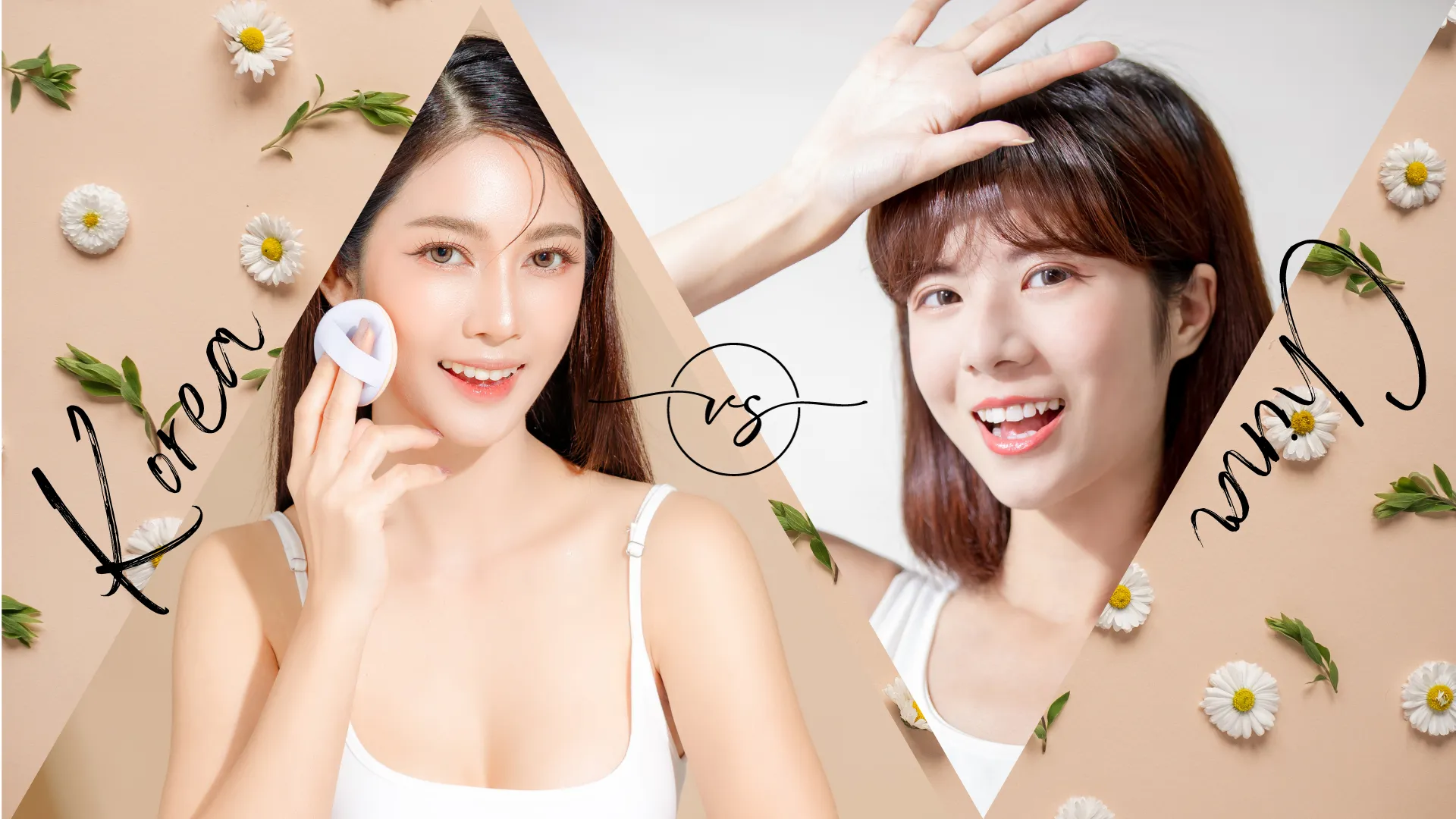
Korean beauty standards place strong emphasis on a slim figure and fair skin. Chinese beauty standards lean toward a softer, more natural look. That is the surface-level version. The reality is more specific.
Slim figure and fair skin in Korean beauty standards
In Korea, beauty means a slim body and light skin. Small, V-shaped faces are the ideal face shape. Double eyelids are considered attractive. These preferences come from historical East Asian associations between lighter skin and higher social class. K-pop has locked these standards in place for a younger generation globally.
Softer and more natural in Chinese beauty standards
Chinese consumers also prize pale skin, but the overall aesthetic skews softer. The “girl next door” look has more cultural capital in China than the sharp-featured K-pop aesthetic. That said, cosmetic surgery for double eyelids and chin reshaping is rising fast in Chinese cities, partly driven by Korean pop culture consumption.
China is enormous. Skin tones, facial structures, and body types vary widely across regions. The “ideal” in Shanghai is not identical to Chengdu or Guangzhou. Any brand marketing a single look as “Chinese beauty” is already operating on a flawed brief.
Western influence on both markets
Both markets absorbed Western beauty ideals over the past three decades: fair skin, large eyes, slim bodies. These standards create real pressure. South Korea has the highest plastic surgery rate per capita globally. Body dysmorphia and eating disorders are documented consequences. In China, social media challenges measuring thinness, including the A4 paper waist challenge and the collarbone coin balance, went viral and caused public health concern.
Cultural Influences on Beauty Standards
Historical influences on Chinese beauty standards
Ancient Chinese beauty ideals centered on delicate features, fair skin, and slim figures, consistent across centuries of dynastic culture. These ideals reflected values of femininity and social refinement. Wealthier households had access to luxury skincare, elaborate hairstyles, and fine clothing, which embedded beauty practices into class identity. That link between beauty and status still shapes Chinese consumer spending today.
K-pop and the Hallyu Wave
K-pop idols define beauty in South Korea. Flawless skin, V-line jaws, double eyelids, and slim figures became aspirational defaults because they are what appears on screen, on every platform, constantly. The Hallyu Wave exported these standards across Asia and beyond. In China, Korean beauty brands and aesthetics arrived alongside K-drama consumption, creating a segment of Chinese consumers who actively pursue the K-beauty look.
Traditional beauty practices in both cultures
Across both cultures, traditional practice shares common ingredients and methods:
- Herbal medicine: tonics, creams, and masks from plants used for centuries in both traditions
- Facial massage: gua sha and similar techniques for circulation and depuffing
- Natural ingredients: rice water, green tea, ginseng, honey
- Sun protection: parasols, hats, and physical sun shields, historically widespread
These traditions are not nostalgic footnotes. In 2026, Chinese consumers actively seek products that connect modern skincare science to these heritage ingredients. That connection is a real marketing opportunity.
Pressure and Body Image
High beauty standards and body image in South Korea
South Korea has the highest rate of cosmetic surgery per capita in the world. The pressure behind that number is real: low self-esteem, body dysmorphia, and eating disorders are documented consequences of beauty standards that most people cannot physically meet. Social media accelerates the pressure. Platforms like Instagram and TikTok serve idealized, edited images constantly. The standard keeps moving upward.
Social media’s role in both markets
On Xiaohongshu and Douyin, the same dynamic plays out. Filtered selfies, skin-smoothing effects built into the camera app, and KOL content presenting flawless skin as achievable with the right product all shape what Chinese women believe their skin should look like. The gap between that image and reality is where body dissatisfaction lives.
Social media challenges measuring thinness, including the belly button challenge, the A4 waist test, and the collarbone coin stack, went viral in China and contributed to documented body image distress. These were not fringe events. They reached hundreds of millions of views.
Body positivity in both countries
Body positivity movements are gaining ground in China and South Korea. They push back on strict beauty ideals and promote self-acceptance regardless of size or shape. The movements are real, but they exist in tension with platforms and brands that still profit from insecurity. Progress is slow. The commercial machine behind beauty standards is large and well-funded.
Your Brand in the Chinese Beauty Market
Chinese and Korean beauty standards overlap on some points: pale skin, slim silhouettes, youthful appearance. They diverge on aesthetic register: Korea leans sharp and precise, China leans soft and natural. Both are moving fast, driven by social media, ingredient science, and AI-powered discovery.
If you are selling cosmetics in China, the standard your product competes against is not set by a single ideal. It is set by every brand that successfully ran XHS seeding, built a Tmall flagship, and showed up consistently on Douyin. That is your real competition.
We know how Chinese consumers evaluate a new brand, how AI discovery changes which brands they find first, and what it takes to build a real presence on Tmall, Douyin, and XHS.
- Market positioning: We identify which beauty standard segment your product speaks to and how to communicate that to Chinese consumers without sounding generic.
- XHS and KOL seeding: We seed your product with the right micro-KOLs on Xiaohongshu before launch, building the UGC layer that Chinese consumers trust.
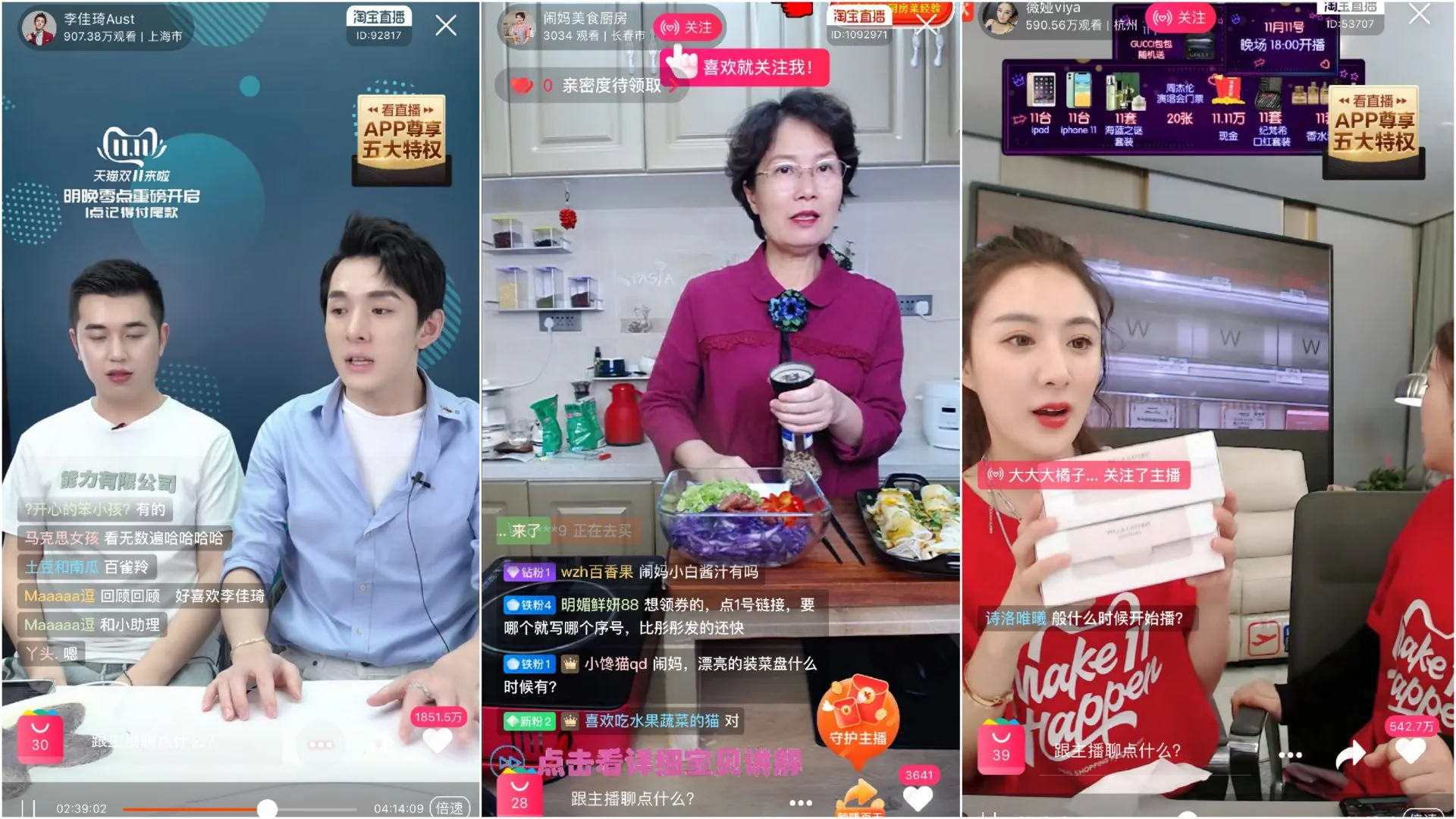
- Douyin live commerce: We connect your brand with proven live commerce hosts and run Douyin campaigns that drive real volume.
The brands that win in China in 2026 are not waiting to see how the market develops. They are building now, while AI discovery habits are still forming and platform algorithms still reward early movers.