Regulation Selling and advertising rules
China KOL Crackdown 2026: New Rules and What Beauty Brands Must Do Now
2 min read
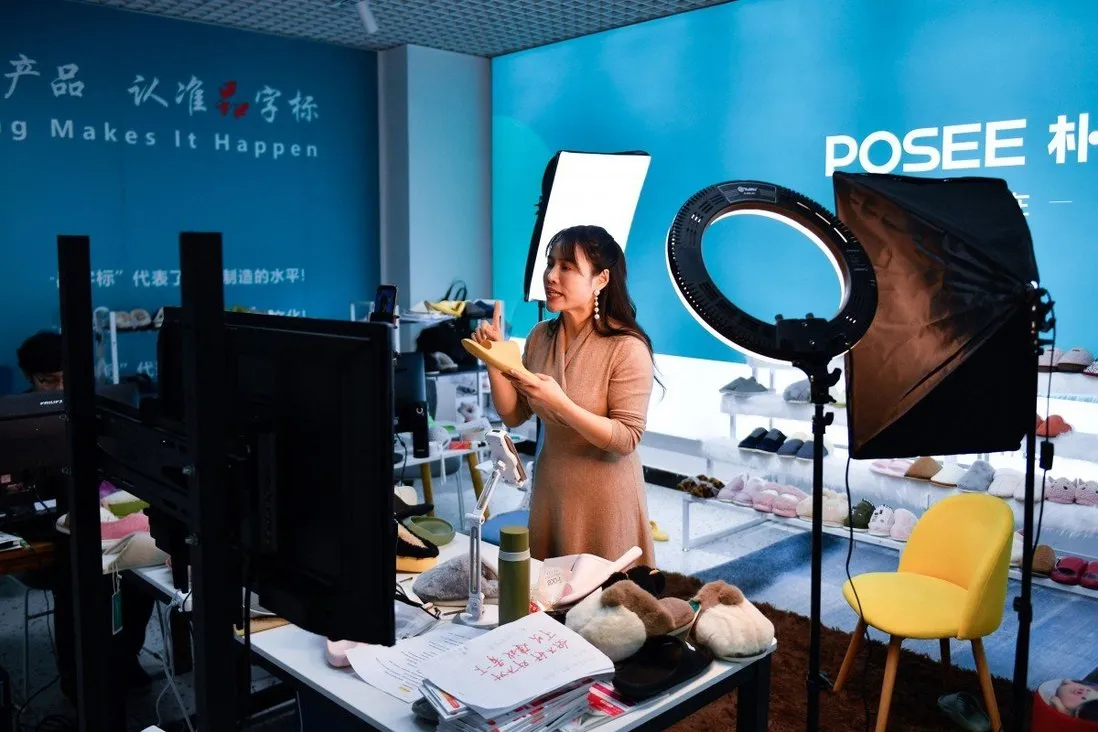
China’s influencer market is not lawless anymore. The government made that clear, and it keeps making it clearer every year. If your brand relies on KOLs to sell cosmetics in China, you need to understand the rules your partners operate under.
China’s Cyberspace Administration penalized over 20,000 influencer accounts for publishing misleading content. Beauty KOLs faced particular scrutiny: disrespecting Chinese history, tax evasion, erotic content, and incendiary remarks were the main triggers. The crackdown was not symbolic. It was structural.
Sina Weibo banned 145 celebrity accounts for harmful information, including accounts that incited ethnic hatred or insulted national martyrs. One notable case: celebrity Yanyexing Yan Gong Zi was suspended after publicly defending actor Kris Wu during rape allegations.
Major livestreamers paid the heaviest price. Viya, one of China’s most recognized live-shopping influencers, was fined $210 million for tax evasion and removed from all platforms. Li Jiaqi received a 300,000 yuan fine for false advertising. Zhu Chenhui and Lin Shanshan each paid 65.5 million yuan for disguising personal income as corporate earnings to reduce taxes.
These penalties were historic. They sent a signal that no KOL, regardless of follower count, is untouchable. For beauty brands, this changes how you should build your KOL strategy in China.
The KOL Landscape in 2026: Stricter, Smarter, More Accountable
Since those early crackdowns, regulation has not relaxed. It has matured. In 2025 and 2026, the Chinese government expanded its oversight to include content quality, commercial transparency, and financial reporting from influencers at every tier.
Platforms now require KOLs to label paid promotions clearly. Douyin, XHS, and Weibo all enforce disclosure rules. Undisclosed sponsorships result in content removal and account penalties. For your brand, this means your KOL contracts must include proper disclosure language. Non-compliant posts get taken down, and your campaign budget disappears with them.
The shift also created a new type of influencer: smaller, more accountable, more focused on niche beauty communities. KOCs (Key Opinion Consumers) are now the backbone of credible beauty marketing on XHS. They have 5,000 to 50,000 followers, they post honest reviews, and their audiences trust them more than mega-stars. Your cosmetics marketing strategy in China should treat KOCs as a primary channel, not an afterthought.
Mega-KOLs are not gone. But the risk profile has changed. Before signing any top-tier influencer, check their compliance history, tax status, and content track record. One scandal can freeze your campaign for months.
What This Means for Your Brand
The KOL crackdown was not the end of influencer marketing in China. It was the beginning of a more accountable version of it. The brands that adapted are doing better than the ones that waited.
Work with KOLs who have clean compliance records. Brief them on your ingredients. Build your ecommerce infrastructure before you scale your KOL spend. Publish Chinese-language content that AI can read and cite.
China’s beauty market rewards brands that do the structural work. It punishes brands that rely on shortcuts.