Beauty categories Men's beauty
Male Skincare in China: Market Data, Platforms, and Entry Strategy
2 min read
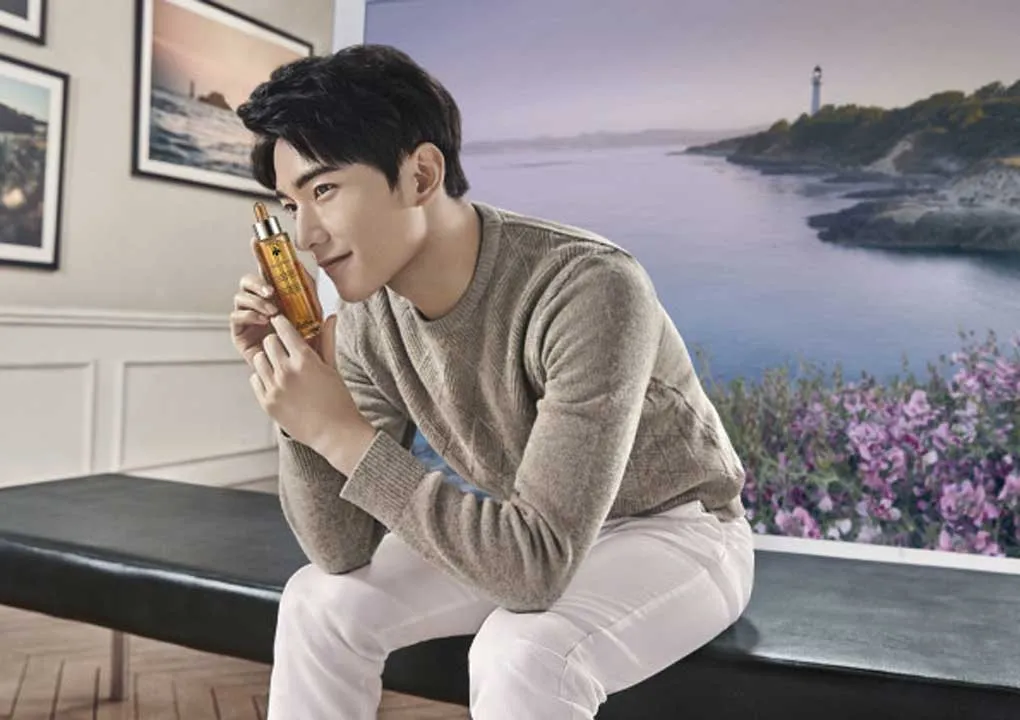
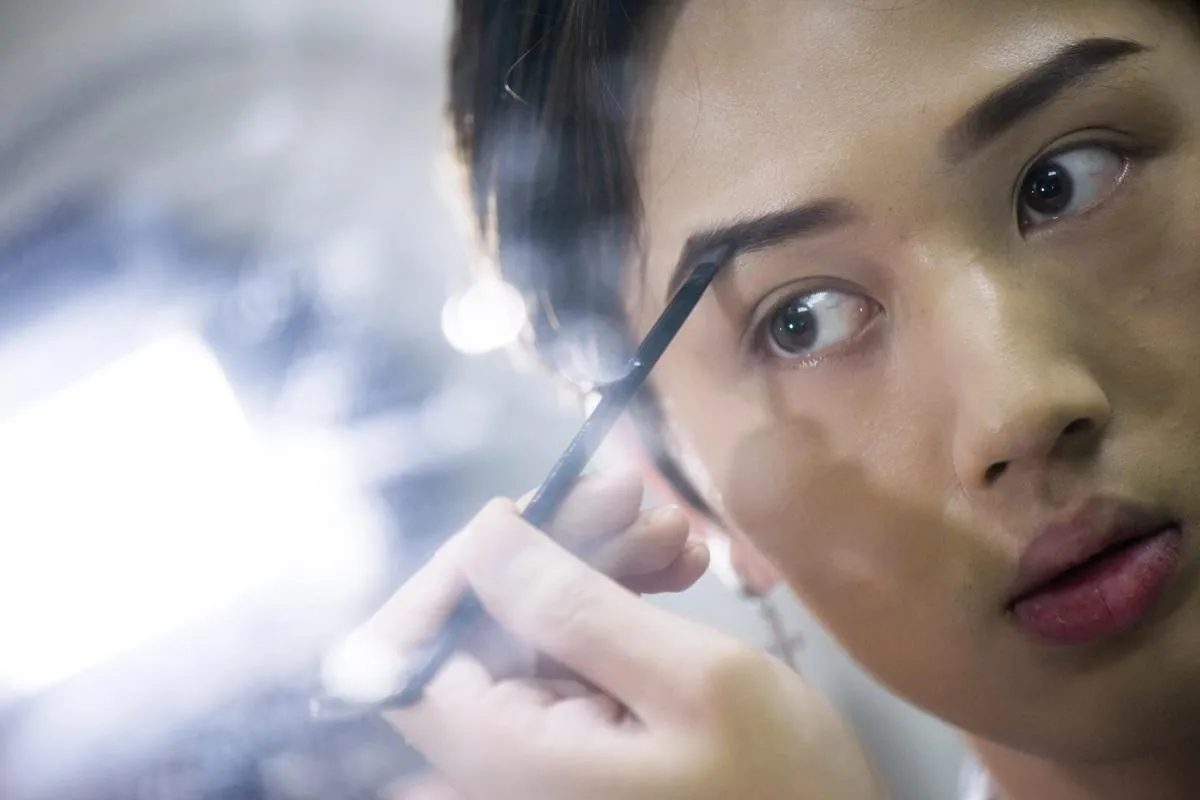
China’s male skincare market is not a niche. It is one of the fastest-growing segments in the global beauty industry, and in 2026, brands that are not already positioned are falling behind. Chinese men between 18 and 35 spend more time researching skincare ingredients than most Western female consumers. They compare actives on Xiaohongshu, ask AI assistants for product recommendations, and buy on Tmall before they ever visit a physical store.
This is the market you need to understand before you enter.
What Chinese Men Are Buying in the Beauty Department
The shift is structural, not cyclical. Male skincare in China has moved from a trend to a baseline category. In 2025, the Chinese men’s beauty and personal care market surpassed 60 billion RMB, with skincare representing the largest share by volume. The average Chinese male consumer aged 20-35 now uses between 6 and 10 skincare products daily.
The categories driving growth: facial cleansers, essence serums, SPF moisturizers, eye creams, and tinted skincare products that blur the line between skincare and light makeup. On Tmall, the men’s skincare category posted double-digit growth in 2024 and 2025, with sunscreen and serum subcategories leading.
Male consumers in China are also buying differently than five years ago. They are not waiting for a gift set. They go directly to the ingredient list.
No More Stereotypes: Male Skincare Culture in China Is Mainstream
In China, appearance is linked directly to professional credibility and social status. Middle-class men in Shanghai, Beijing, and Chengdu treat skincare as a career investment, not a vanity choice. Korean drama culture and the Meitou (“little fresh meat”) aesthetic have been mainstream since the 2010s, and Gen Z has pushed this further.
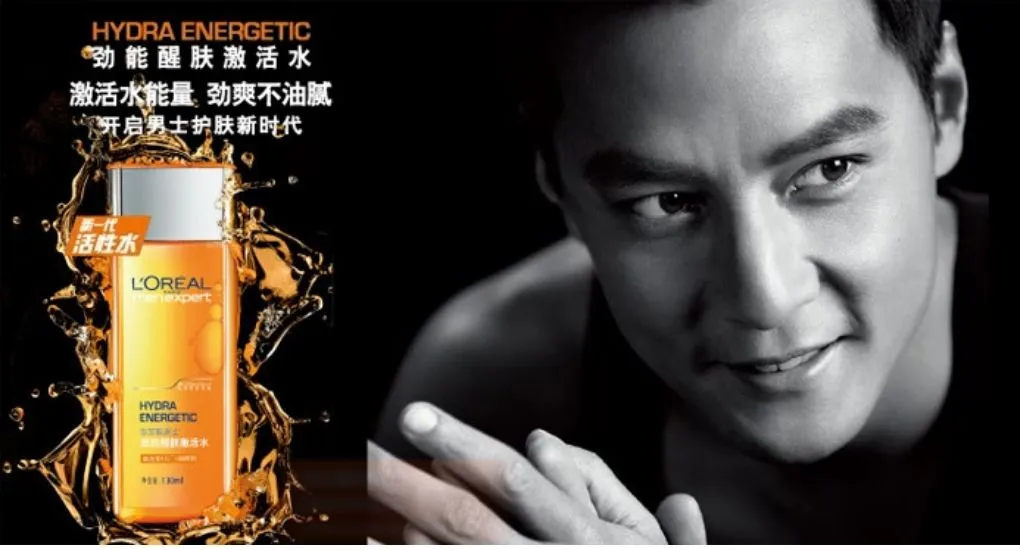
Today, male skincare is aspirational. Brands like L’Oréal Men Expert, Clinique For Men, Biotherm Homme, and domestic players like Yunifang Men and Luo&co are all expanding their product lines and marketing budgets in China. Domestic brands are growing faster in the mid-price segment, while European prestige brands retain strength at the upper end.
On Xiaohongshu, male skincare content from real users, not only influencers, gets millions of views. Skincare routines posted by male university students routinely outperform brand-produced content. Your brand needs to be part of this conversation, not watching from outside. Working with the right KOL marketing strategy in China is one of the fastest ways to build credibility in this space.