KOLs and Douyin Douyin for beauty brands
Douyin Marketing: How to Market Your Beauty Brand on the Chinese Tik Tok?
5 min read
On this page
In China, social media are the best way to increase your visibility and build your audience. You can share qualitative content about your brand, and information about your product, and build a trustworthy relationship with your followers.
Among the most used social media, the short video platform Douyin (the Chinese name for the TikTok app) is one of the most performant. Thanks to its numerous features, you can increase your beauty brand visibility on Douyin… and even sell! Discover how you can market your cosmetics or pharmaceutical brand with some Douyin marketing strategies.
What is Douyin?
Created in 2016 by ByteDance, Douyin is a short-form video platform. Have you ever heard about ByteDance? This giant owns Toutiao, Douyin, and TikTok.
For the Chinese version, ByteDance chose the name Douyin 抖音, which literally means “shaking sound”. This social media has a huge audience mainly amongst the Millennials and Generation Z. In 2023, out of the 730 million monthly active users of Douyin, one in three will be under the age of 24.
Douyin vs. Tik Tok
Then, you may wonder why we differentiate Douyin from TikTok. In a word, TikTok is the international name for Douyin. They have almost the same features but they are not the same platforms. ByteDance hosted one platform in the Chinese market and one on the international internet. If you want a quick comparison, it is like with Weixin / WeChat: the Chinese and the international versions are not exactly the same.
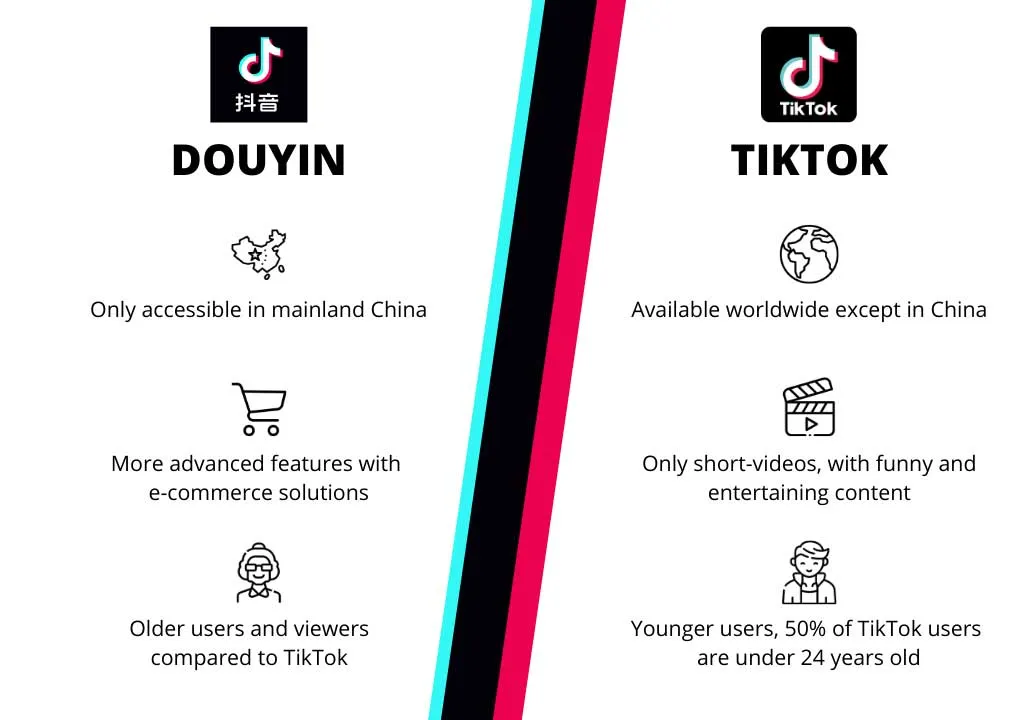
There are other differences such as Tik Tok helps small creators and focuses on community content, while Douyin is more for big accounts, influencer marketing, and media. Douyin’s For You page shows more big accounts and its search algorithm favors accounts with lots of followers and verified businesses accounts.
An example : Chen He, a popular Chinese actor, has over 50 million fans on Douyin, making it one of his most successful platforms. However, on TikTok, only a few unverified accounts appear when searching for his name.
Why does ByteDance separate these platforms?
ByteDance separates TikTok and Douyin to follow China’s strict online regulations. TikTok has more freedom to host user-generated content, while Douyin adheres to restrictions. This allows ByteDance to operate in both the Chinese and global markets while complying with regulations.
Douyin is a great platform for brands and advertisers to carry Douyin marketing campaigns in China market. By partnering with KOLs, a luxury brand can not only increase brand awareness but also drive direct sales. It’s a win-win situation for both parties. However, TikTok’s e-commerce feature is limited to some users and regions, making it less useful for online shopping.
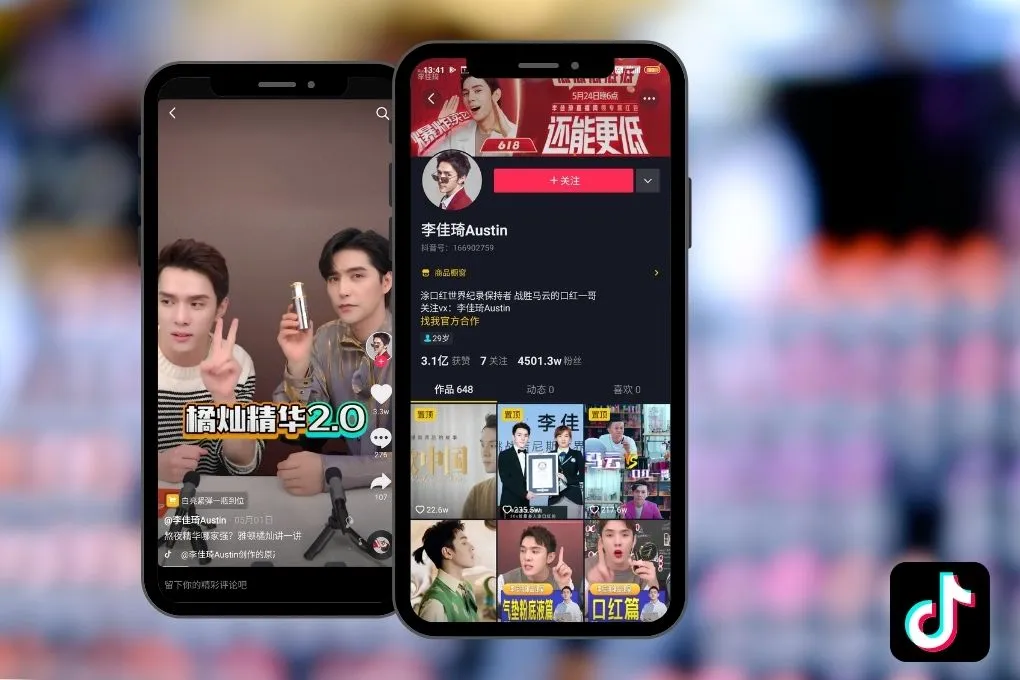
Douyin: What the Numbers Show
The platform has grown considerably since the basics above were established. According to QuestMobile data from October 2025, Douyin now counts 907 million monthly active users, placing it among China’s top two apps by time spent. For beauty brands, the critical figure is this: Douyin accounts for 29% of China’s total online beauty sales, having surpassed Tmall in conversion speed for categories like skincare and colour cosmetics.
The beauty category on Douyin reached nearly 20 billion yuan in GMV in July 2025 alone, a year-on-year increase of 31.7% (Ocean Engine data). Skincare leads, with 70% of beauty market share on the platform and close to 47% growth year-on-year. Fragrance is the fastest-growing sub-category in 2026, with international heritage brands still holding a clear edge there.
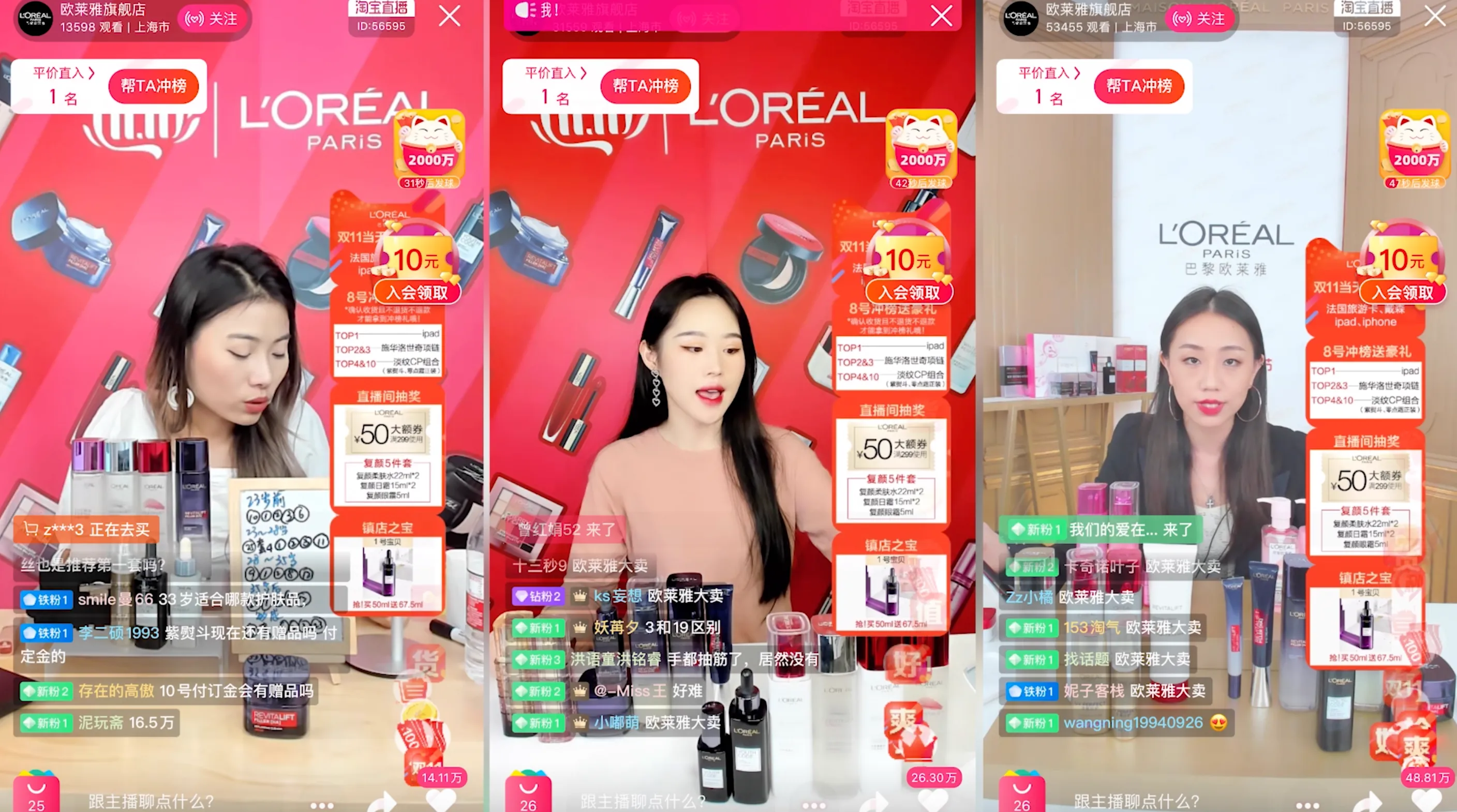
One structural shift worth noting: over 70% of Douyin’s total e-commerce GMV now comes from livestreaming. Short videos drive discovery. Livestreams close the sale. Brands that treat these two formats as separate campaigns are leaving results on the table.
The Rise of Domestic Beauty Brands on Douyin
Foreign brands need to understand one structural reality before building a Douyin strategy: Chinese domestic brands now hold 57% of the beauty market in China, for the fourth consecutive year of share gains (Daxue Consulting, 2026). This is not a temporary trend. Brands like Florasis, Proya, and Hanshu have moved beyond price competition into formulation quality and cultural storytelling.
Hanshu topped Douyin’s beauty brand ranking for seven consecutive months in 2025. Florasis pairs heritage aesthetics with skincare claims that speak to younger consumers raised on the Guochao movement. Perfect Diary runs social listening across Douyin livestreams to identify emerging trends in real time and adjust its KOL marketing in China briefs within days.
International brands can still compete, but the approach has changed. L’Oréal’s partnership with the Guangdong Couple on Douyin generated $14.5 million in media value, the highest figure recorded by WeArisma for any influencer collaboration in China in 2025. The key was an extended, narrative-driven series of livestreams, not one-off sponsored posts.
Consumer Trends Shaping Douyin Beauty
Post-2024 consumer behaviour on Douyin has shifted around one clear theme: self-expression over aspirational consumption. The “Self-Pleasure” economy, as Daxue Consulting describes it, means consumers buy beauty products for themselves first, not to fit a social image. This changes what content performs well.
- Tutorials showing real skin textures and realistic results outperform heavily filtered content
- Ingredient-focused claims (“gong xiao hu fu,” or efficacy skincare) drive higher trust than pure lifestyle imagery
- Fragrance, a category where personalisation matters, is growing at double-digit rates quarter on quarter
- Gen Z consumers cross-reference Douyin reviews with Xiaohongshu content before purchasing, making a dual-platform presence important for most beauty categories
The data also points to a clearer platform division of labor. Douyin drives discovery and generates initial interest. Tmall and JD handle conversion and repeat purchases. Brands that run Douyin advertising without linking it to a strong Tmall storefront typically see weaker full-funnel results.